
From Waste to Wealth: The Potential of Cashew Apple Processing in Jhargram
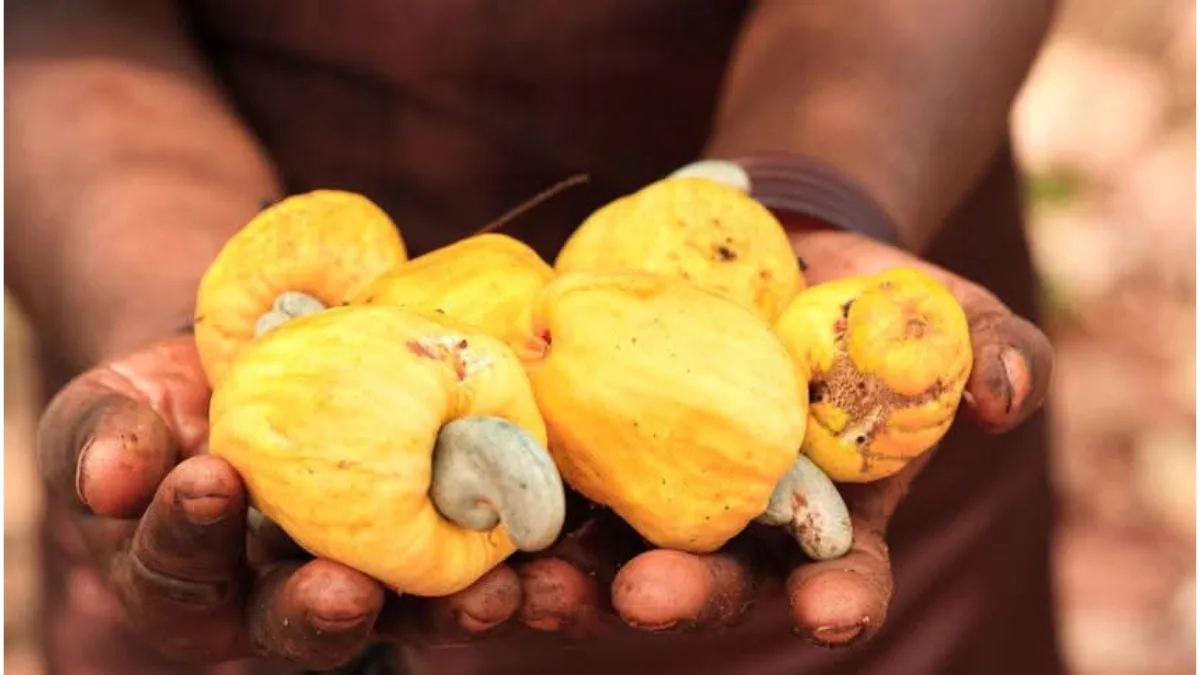
In the vast, undulating landscapes of Junglemahal, a significant economic shift may be on the horizon. For decades, the cashew industry in the Jhargram region has been defined almost exclusively by the harvesting of the nut—the high-value kernel that commands global demand. However, the fleshy, vibrant fruit to which the nut attaches—the cashew apple—has historically been treated as agricultural waste, left to rot on the orchard floor. A new proposal, championed by local legislator Laxmikanta Sau, seeks to transform this discarded bounty into a viable commercial product: cashew apple liquor.
This initiative aims to bridge the gap between traditional agricultural practices and modern value-added processing. By pivoting toward the utilization of the entire fruit, proponents believe that the region can unlock a secondary revenue stream that has long been overlooked, turning what was once considered a seasonal nuisance into a sustainable economic driver for the local farming community.
The Agronomic and Economic Underpinnings of Cashew Valorization
The cashew apple is a curious botanical specimen; it is technically an accessory fruit, rich in Vitamin C, antioxidants, and sugars. Despite its nutritional profile, its high moisture content and perishability make it notoriously difficult to transport or store in its raw state. In Jhargram, where the climate can be unforgiving and logistics remain a challenge for smallholder farmers, the fruit is almost entirely neglected after the nut is harvested.
The proposal to establish a liquor processing unit introduces a scientific approach to waste management. Fermentation and distillation processes can effectively stabilize the perishable fruit, converting its sugars into ethanol. This not only prevents the environmental impact of rotting biomass in the orchards but also creates a product with a long shelf life. From an economic perspective, this represents a move toward circular agriculture. By capturing value from a byproduct that currently generates zero income, farmers stand to gain an additional layer of financial security, effectively increasing the yield-per-acre without the need for additional land or intensive inputs.
Infrastructure and the Path to Commercial Viability
Transitioning from backyard experimentation to a formal industrial unit requires careful planning, regulatory navigation, and infrastructure development. Establishing a processing facility in Jhargram would necessitate a cold-chain logistics network to ensure that the cashew apples reach the distillery while still fresh, as the fruit begins to degrade within hours of harvest. Furthermore, the distillery process requires precise control over fermentation temperatures and hygiene standards to ensure a consistent, high-quality output.
Beyond the technical requirements, the project would need to align with state excise policies and agricultural marketing regulations. Proponents of the scheme argue that such a facility could serve as a pilot project for the broader tribal belts of West Bengal, providing a template for how indigenous produce can be commercialized. If successful, the unit could foster a new cottage industry, creating jobs in harvesting, transport, processing, and distribution, thereby keeping capital circulating within the district.
What This Means for Farmers
For the farmers of Jhargram, the transition from viewing the cashew apple as "waste" to "gold" carries several practical implications:
- Diversified Income Streams: By selling the cashew apple to a processing unit, farmers can supplement their income during the harvest season, providing a buffer against fluctuations in the global market price of raw cashew nuts.
- Improved Orchard Management: Removing the apples from the orchard floor can reduce the presence of pests and fungi that thrive on decaying organic matter, potentially leading to healthier trees and higher-quality nut yields in subsequent seasons.
- Need for Cooperative Models: To maximize benefits, farmers should consider forming or joining cooperatives. Collective bargaining will be essential when negotiating prices with the processing unit to ensure that the value generated by the liquor production is shared equitably with those who perform the labor-intensive task of harvesting.
- Market Standardization: Farmers will need to adopt specific handling protocols, such as timely collection and sorting, to meet the quality standards required for commercial distillation. Adopting these "good agricultural practices" (GAPs) will be the key to ensuring that the product is viable for sale in regulated markets.
As the conversation around this proposal gains momentum, the emphasis must remain on creating a transparent supply chain. If the infrastructure is managed correctly, the "spirit of hope" envisioned for Junglemahal could provide a blueprint for how rural communities can harness the full potential of their natural resources, turning traditional agricultural waste into a modern engine for prosperity.


