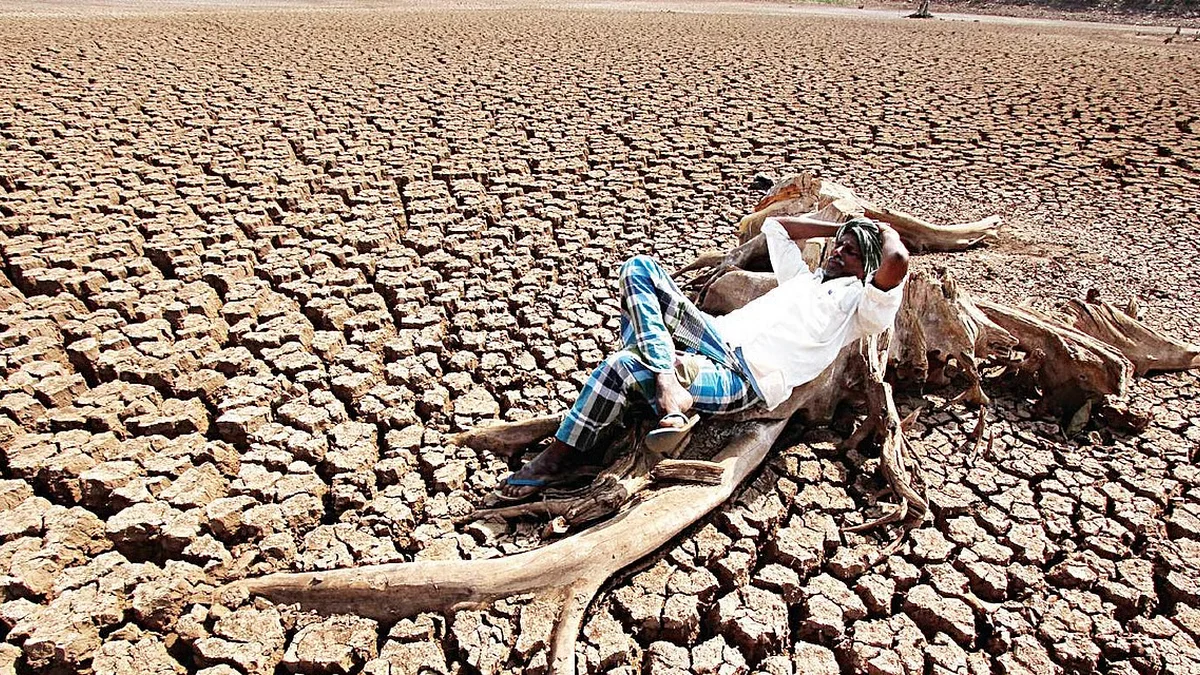
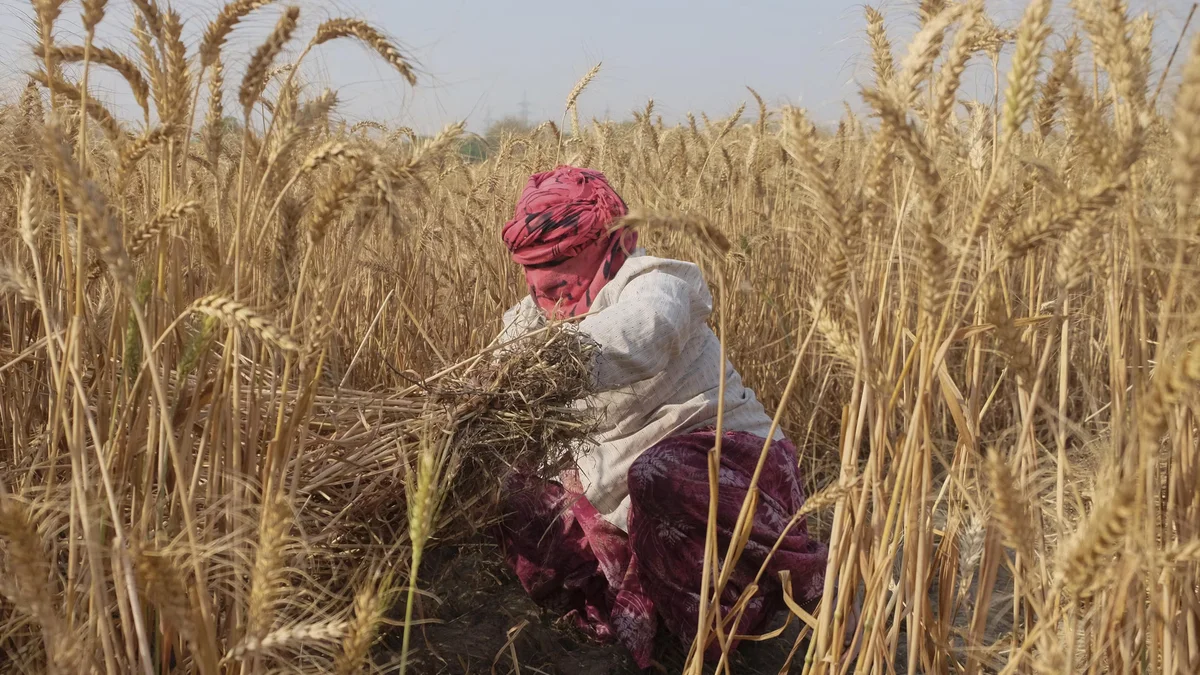
Indian farmers are expected to maintain stable wheat acreage during the 2026-27 rabi season, despite the challenges posed by a deficient monsoon. The government has set an ambitious wheat production target of 121 million tonnes for the current crop year, building on the record production of 120.7 million tonnes achieved in the previous year. Agriculture officials indicate that while the southwest monsoon season saw rainfall 13 percent below normal, the impact on wheat planting is expected to be limited due to robust irrigation infrastructure and favorable soil moisture levels in primary growing regions.
wheat acreage 2026-27: Factors Supporting Stable Wheat Sowing
According to M L Jat, secretary in the Department of Agricultural Research and Education and director general of the Indian Council of Agricultural Research (ICAR), the widespread availability of irrigation facilities in key wheat-producing states remains the most significant cushion against rainfall variability. The major wheat-producing states, including Punjab, Haryana, Madhya Pradesh, Rajasthan, Uttar Pradesh, Bihar, and Gujarat, possess the necessary irrigation capacity to support the crop, which historically requires less water than paddy.
Furthermore, while the overall monsoon was deficient, recent rainfall in October has provided necessary support to soil moisture conditions in the northwestern region. This timely moisture accumulation is critical for farmers preparing their fields for the upcoming rabi sowing cycle, which typically takes place in October and November.
What This Means for Farmers
For farmers across the major wheat-growing belt, this development suggests that sowing operations are likely to proceed according to standard schedules despite the earlier monsoon deficit. The stability in projected acreage is a positive indicator for the upcoming season, as irrigation infrastructure helps mitigate the risks associated with erratic rainfall patterns.
- Irrigation Reliance: With the ongoing emphasis on irrigation, farmers are encouraged to maximize the efficient use of available water resources to ensure optimal germination and crop establishment.
- MSP Support: The government has increased the Minimum Support Price (MSP) for wheat to ₹2,610 per quintal for the 2027-28 marketing season, compared to ₹2,585 per quintal in the previous season, providing a clearer price signal for the crop.
- Stock Levels: India maintains comfortable wheat stocks in the central pool, which stood at 47.44 million tonnes as of September 16, well above the required buffer norm of 27.58 million tonnes. This provides the government with flexibility to manage domestic availability.
While these factors support a steady outlook for the rabi season, the final production outcome remains dependent on favorable weather conditions and crop performance throughout the growing months leading up to the harvest in March and April.
Source: Business Standard