Widespread Monsoon Alert: Heavy Rainfall Expected Across Western and Central India
The India Meteorological Department (IMD) has issued a high-alert advisory for a vast swathe of the country, forecasting a period of intense atmospheric instability starting July 31. A cyclonic circulation combined with an active monsoon trough is expected to trigger torrential rainfall across more than 20 states, with the most severe weather patterns concentrated in the western and central corridors. From the arid landscapes of Rajasthan to the industrial and agricultural hubs of Gujarat and Maharashtra, regional authorities are bracing for significant precipitation that threatens to disrupt local infrastructure and agricultural operations.
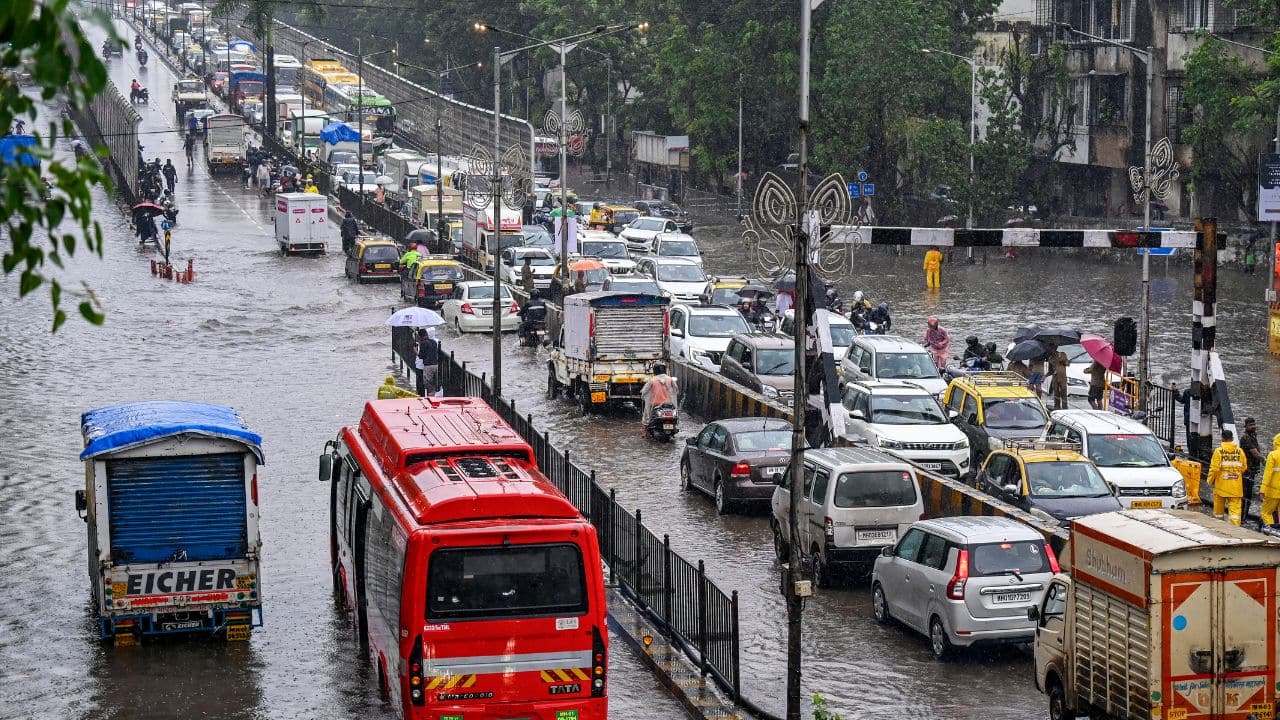
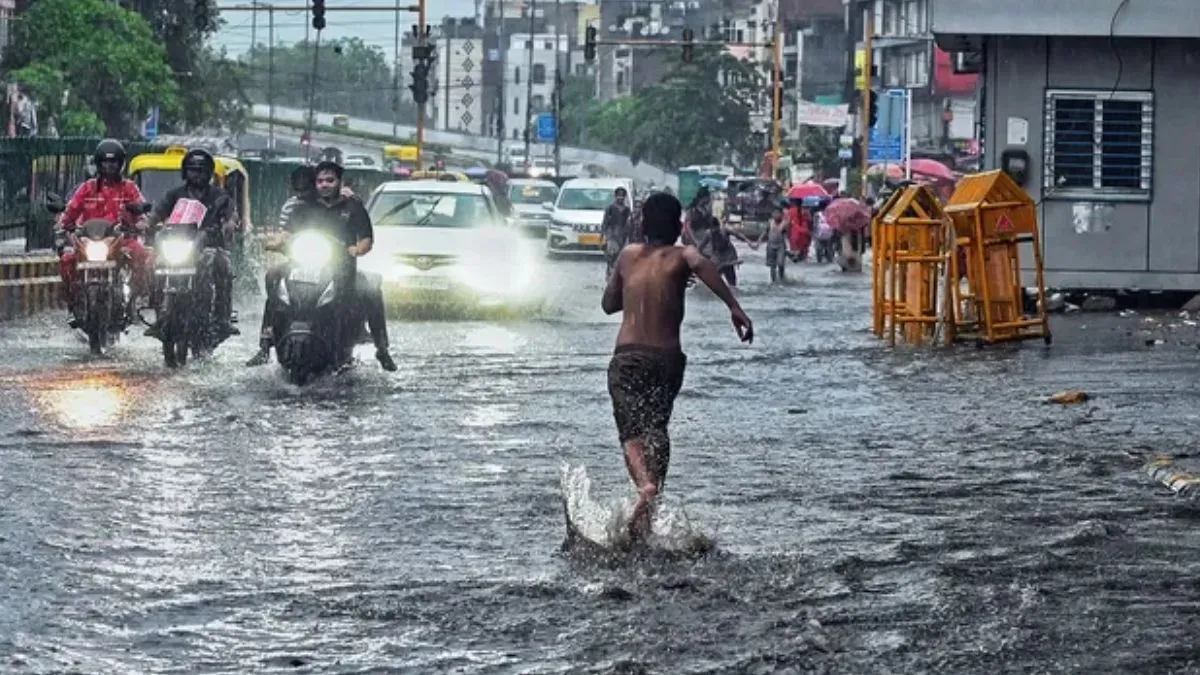
The current weather system is characterized by a deep moisture influx from the Arabian Sea, which, upon meeting localized heat pockets, is creating ideal conditions for heavy to extremely heavy rainfall. Meteorologists warn that the intensity of these showers is likely to be concentrated over short durations, increasing the risk of flash flooding in urban environments and rapid inundation of low-lying agricultural tracts.
Regional Impact: A Broad Front of Precipitation
The western coastal belt, particularly Gujarat and Central Maharashtra, is expected to bear the brunt of this weather event. In these regions, the combination of high-intensity rain and existing soil saturation levels raises concerns regarding the structural integrity of embankments and the drainage capacity of rural canal systems. As the monsoon front pushes inland, Madhya Pradesh and Rajasthan are also projected to see substantial rainfall, extending the reach of the current weather anomaly.
In Madhya Pradesh, the rainfall is likely to influence the water levels of major river basins, necessitating a vigilant approach from dam management authorities. Similarly, in Rajasthan, where rainfall patterns can be historically erratic, the sudden influx of moisture could provide a temporary reprieve for water-stressed districts, though it brings the concurrent challenge of potential soil erosion and damage to standing crops that are currently in critical growth stages.
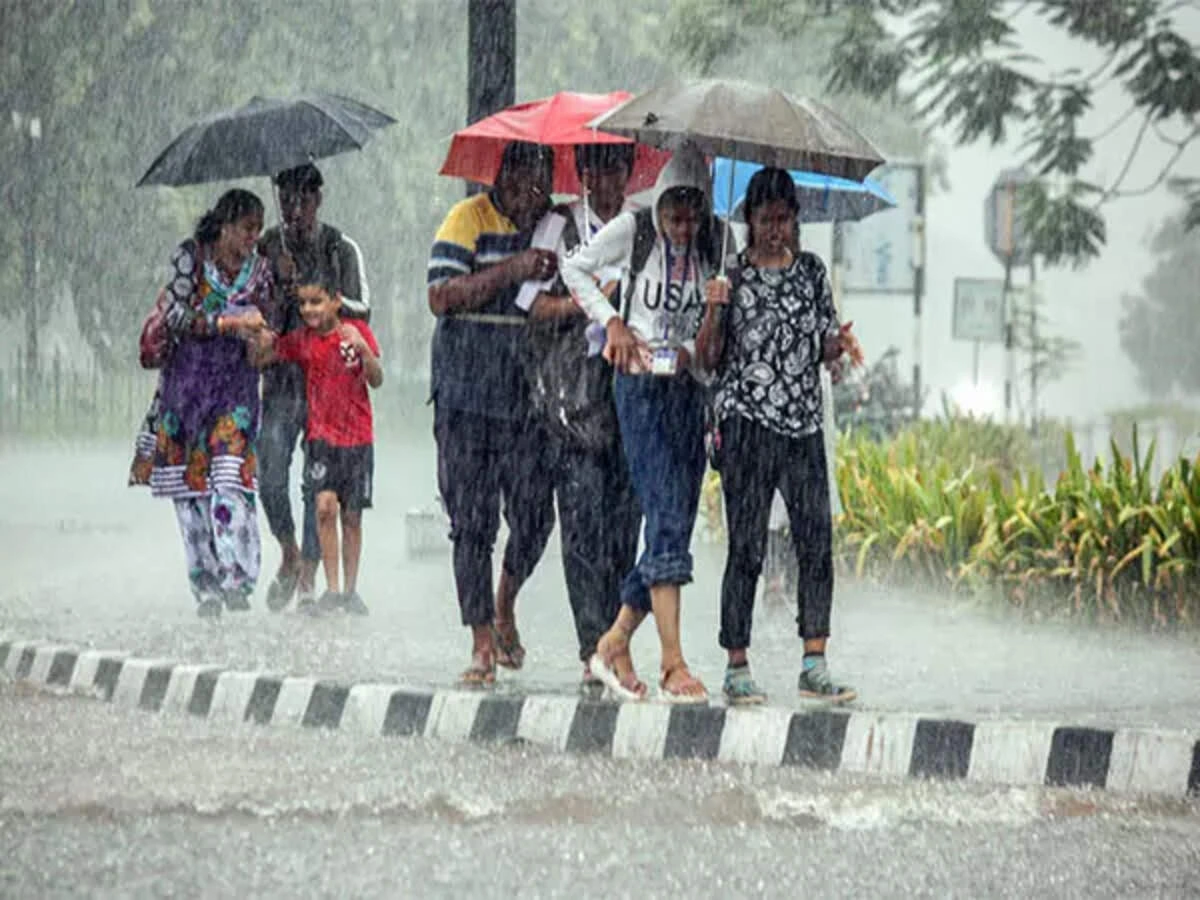
Across all affected regions, the meteorological forecast suggests that the heavy rain will be accompanied by gusty winds, which could impact the stability of temporary structures and disrupt power distribution networks in rural sectors. The local administrations have been alerted to mobilize disaster response teams, particularly in areas prone to waterlogging and those located along the banks of seasonal rivers.
What This Means for Farmers
For the farming community, this widespread weather alert carries significant implications for both immediate field management and long-term crop health. The primary concern is the potential for waterlogging, which can lead to root rot and nutrient leaching in standing crops, especially in low-lying fields with poor drainage.
Actionable Advice for Producers:
- Prioritize Drainage: Ensure that field drainage channels are clear of debris to prevent the accumulation of stagnant water. In areas where waterlogging is persistent, digging temporary trenches can help divert excess water away from the root zones of sensitive crops.
- Delay Chemical Applications: Avoid the application of fertilizers or pesticides during the forecasted period of heavy rain. Precipitation will significantly reduce the efficacy of these inputs through runoff, leading to economic waste and potential environmental contamination.
- Livestock Safety: Ensure that livestock are sheltered in dry, elevated areas. Heavy rainfall can lead to an increased incidence of foot-rot and other moisture-related pathologies in cattle and small ruminants.
- Monitor Crop Health: Post-rain, conduct thorough inspections for signs of fungal infections or pest outbreaks, which often proliferate in the humid, damp conditions following a heavy monsoon spell.
- Economic Vigilance: Keep a close watch on local market logistics. Torrential rain often leads to the closure of rural roads and highways, which may impact the transport of perishable goods to local mandis and processing centers.
While the monsoon is essential for regional food security, the severity of this forecast highlights the need for adaptive management. By taking proactive measures to protect soil structure and crop integrity, farmers can mitigate the risks associated with this intense weather event and safeguard their output for the remainder of the season.