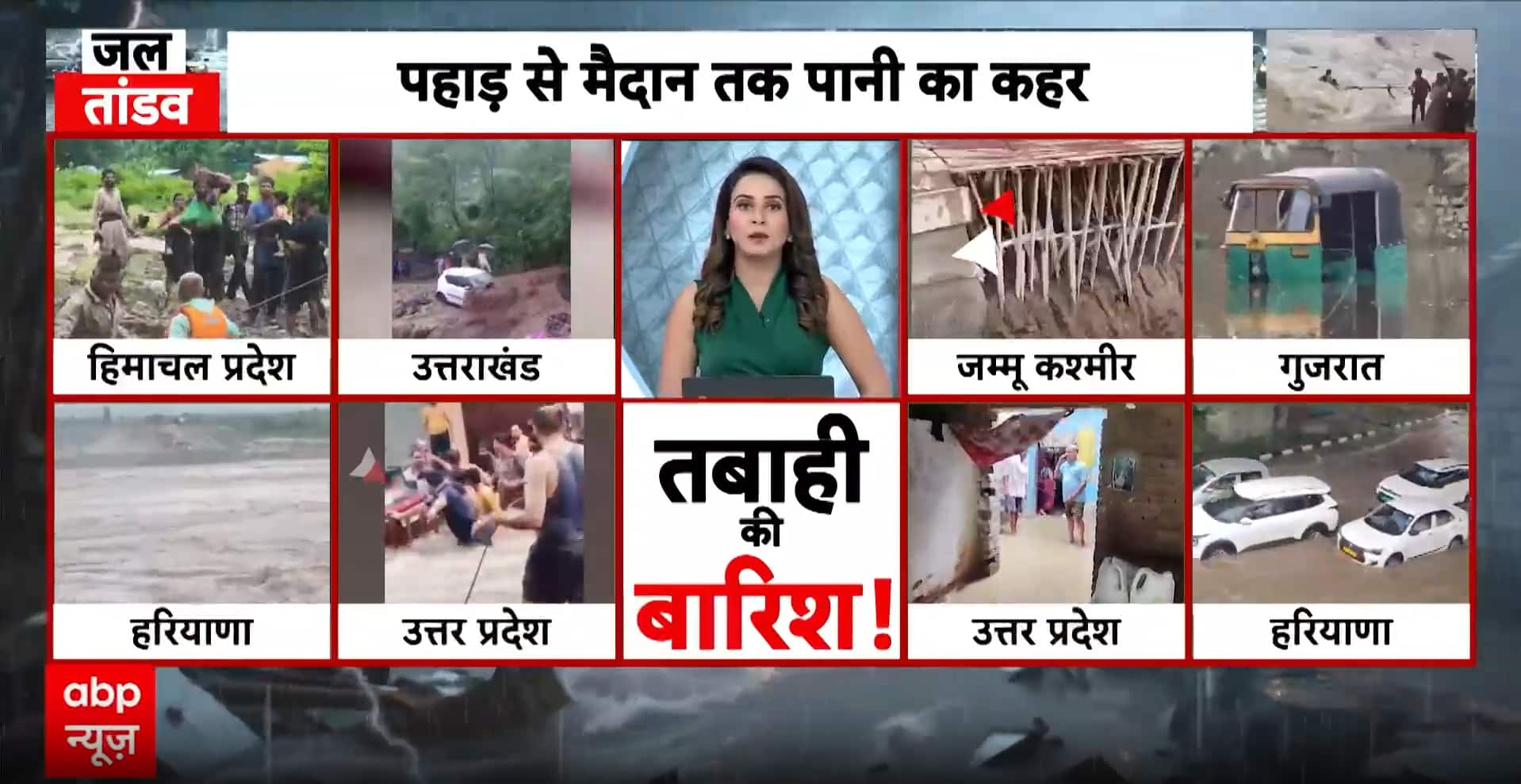
Widespread Monsoon Alert: IMD Issues Heavy Rainfall Warnings Across 19 States
The India Meteorological Department (IMD) has issued a comprehensive weather warning covering a significant portion of the country, as an active monsoon surge brings heavy to very heavy rainfall across 19 states. The advisory, which highlights the potential for severe weather events including thunderstorms, lightning, and localized flooding, signals a critical period for both urban infrastructure and agricultural operations.
At the center of this weather system is the state of Gujarat, which has been placed under a "Red Alert," indicating the highest level of caution due to the anticipated intensity of the precipitation. Alongside the western coastal regions, the meteorological forecast extends to central and northern India, including the National Capital Region (NCR), Uttar Pradesh, and Bihar. As these regions brace for sustained downpours, authorities have advised residents to exercise extreme caution and limit non-essential travel to mitigate risks associated with waterlogging and hazardous road conditions.
The Meteorological Dynamics Driving the Surge
The current weather pattern is driven by the convergence of moisture-laden winds from the Arabian Sea and the Bay of Bengal, interacting with local atmospheric instability. In states like Gujarat and Maharashtra, the monsoon trough has intensified, leading to deep convective clouds that are capable of producing high-volume rainfall in very short periods. This type of weather, often characterized by "cloudburst-like" intensity, poses significant challenges for drainage systems and rural catchment areas.
Moving eastward, the plains of Uttar Pradesh and Bihar are also experiencing a shift in weather conditions. After a period of relative humidity and heat, the arrival of these active monsoon bands is expected to lower temperatures significantly. However, the IMD warns that the combination of heavy rain and high wind speeds—often accompanying these systems—increases the risk of lightning strikes, which remain a major cause of concern for outdoor workers and those in rural, exposed settings.
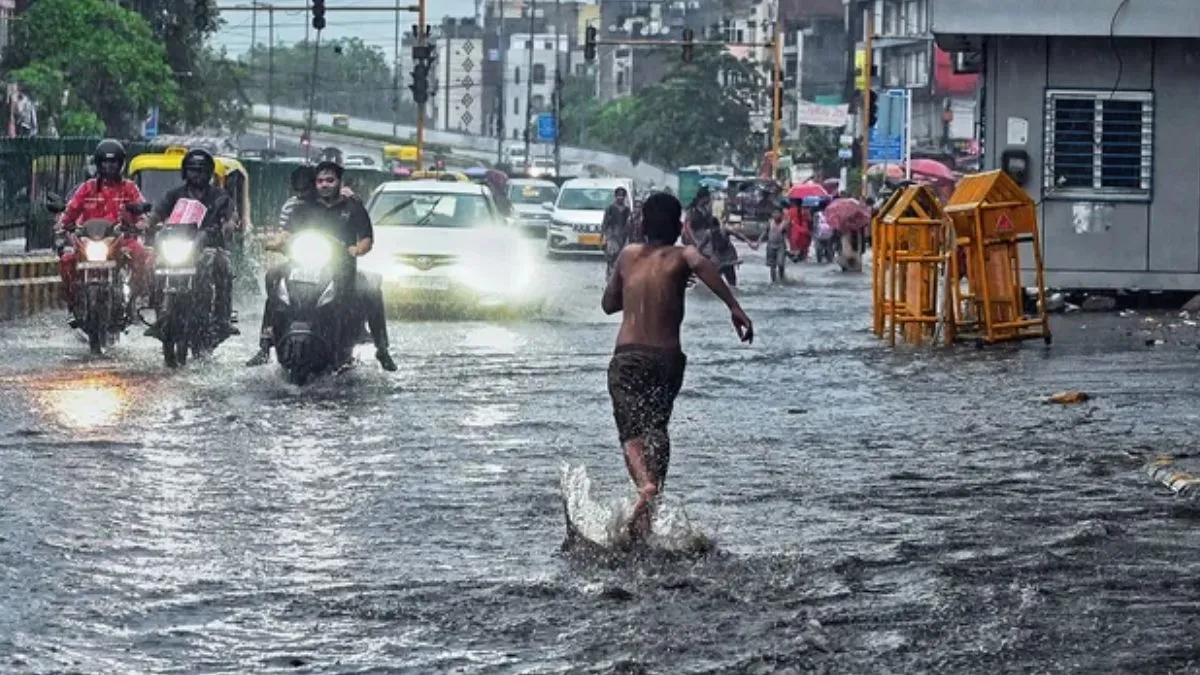
For the Delhi-NCR region, the forecast suggests a period of intermittent but heavy showers. While this will provide temporary relief from the lingering summer heat, the city’s infrastructure is expected to face pressure, with potential traffic disruptions and localized flooding in low-lying areas. The IMD continues to monitor the movement of these low-pressure areas to provide timely updates to state disaster management authorities.
What This Means for Farmers
For the agricultural community, this widespread rainfall alert carries both potential benefits and significant management challenges. While the moisture is essential for the ongoing Kharif crop cycle, excessive water at this stage can be detrimental to plant health and soil structure.
Impact on Standing Crops: Prolonged waterlogging is a primary concern for farmers. Crops such as paddy, which require standing water, may handle the influx well; however, for pulse and oilseed crops, excessive moisture can lead to root rot and nutrient leaching. Farmers are advised to ensure that field drainage channels are clear to prevent standing water from damaging the root zones of sensitive crops.
Pest and Disease Management: High humidity and heavy rainfall create an ideal environment for the proliferation of fungal pathogens and pests. Farmers should prepare to monitor their fields closely for signs of blight, mildew, or insect infestations once the rain subsides. Preventive measures, such as the application of appropriate fungicides or biological controls, should be considered once the weather clears, provided the soil is not too saturated to support machinery or manual labor.
Safety and Infrastructure: Beyond the fields, farmers should prioritize the safety of livestock and stored produce. Ensure that fodder is kept in dry, elevated areas to prevent spoilage from moisture, and relocate livestock to secure, covered shelters during periods of lightning or high winds. If the forecast indicates severe storm activity, it is recommended to suspend all field operations involving heavy machinery to avoid accidents on slippery, unstable ground.
Economic Outlook: While the rainfall is vital for replenishing reservoirs and groundwater tables, the timing and intensity will dictate the final yield quality. Farmers are encouraged to keep a close watch on local weather bulletins and government advisories, as these real-time updates are essential for making informed decisions regarding irrigation, fertilizer application, and harvesting schedules in the coming weeks.