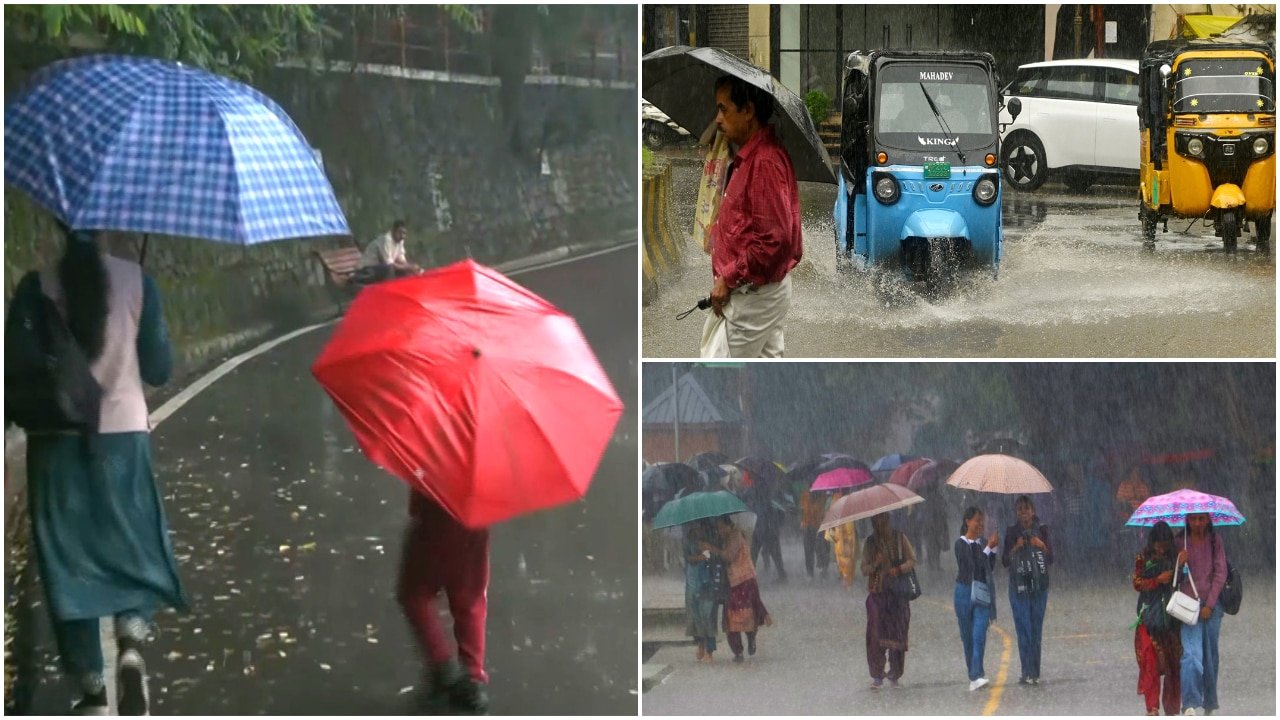
Regional Weather Alert: Heavy Rainfall Expected Across Key Agricultural Belts
India’s meteorological landscape is bracing for a period of significant volatility as a complex weather system moves across the subcontinent. Forecasters have issued high-alert warnings for several states, with heavy to very heavy rainfall anticipated in Maharashtra, Gujarat, and the northeastern regions. Meanwhile, the national capital region of Delhi-NCR is expected to experience milder conditions, characterized by persistent cloud cover and intermittent light drizzles.
The latest atmospheric data suggests that a convergence of moisture-laden winds is fueling intense convective activity. This shift in weather patterns is particularly critical for the agricultural sector, as the timing of these rains coincides with sensitive stages of crop development in various parts of the country. Beyond the primary focus areas, states including Madhya Pradesh, Himachal Pradesh, Uttarakhand, and various districts in Southern India are also bracing for significant precipitation, marking a widespread shift in the current seasonal trajectory.
Maharashtra and Gujarat Face Flash Flood Risks
The most pressing concern currently lies in the western states of Maharashtra and Gujarat, where the intensity of the incoming monsoon surge has prompted authorities to issue flash flood warnings. The concentration of heavy rainfall in these regions threatens to overwhelm local drainage systems and saturate low-lying fields that have already contended with earlier bouts of moisture this season.
In Maharashtra, the risk is particularly acute for regions with complex topography, where sudden, high-volume downpours can lead to rapid runoff and soil erosion. Agronomists are concerned about the impact on standing crops, particularly in areas where soil moisture levels are already near capacity. Similarly, in Gujarat, the expected deluge poses a significant challenge for ongoing post-sowing operations. Excessive water accumulation in fields can lead to root rot, nutrient leaching, and the potential for increased pest and disease pressure as high humidity levels persist in the wake of the storms.
Northeast and Himalayan Regions Under Watch
The northeastern states are also facing an imminent threat from sustained, heavy rainfall. Given the geographical nature of this region, the primary concern remains the risk of landslides and the disruption of vital agricultural supply chains. For farmers in the Northeast, the challenge is twofold: managing the immediate impact of waterlogging on paddy and horticultural crops, and navigating the logistical difficulties that follow severe weather events.
Concurrently, the northern mountainous states of Himachal Pradesh and Uttarakhand are preparing for significant rain. While precipitation is essential for recharging mountain aquifers and supporting perennial crops, the intensity forecasted raises concerns regarding soil stability. In Central India, specifically Madhya Pradesh, farmers are advised to monitor weather updates closely, as the projected rainfall could either be a welcome relief for moisture-stressed crops or, if excessive, a catalyst for localized flooding in low-lying agricultural zones.
What This Means for Farmers
The current forecast necessitates immediate and proactive management strategies to mitigate potential losses. For farmers in the high-alert zones of Maharashtra, Gujarat, and the Northeast, the priority must be the implementation of effective drainage protocols. Ensuring that field channels are clear to allow for the rapid evacuation of excess water is the most critical step in preventing long-term damage to crop root systems.
Key recommendations for the coming days include:
- Prioritize Drainage: Ensure that water stagnation is minimized in fields. Standing water for more than 24 to 48 hours can lead to anaerobic conditions that severely stress crops.
- Post-Rain Pest Management: High humidity and moisture levels create a breeding ground for fungal and bacterial pathogens. Farmers should monitor their fields for early signs of disease and be prepared to apply recommended fungicides if conditions worsen.
- Input Application Adjustment: Delay the application of fertilizers and pesticides during heavy rain events. Nutrient leaching is a significant risk, and chemical applications are likely to be washed away, resulting in economic losses and environmental runoff.
- Harvesting Decisions: If crops are near maturity, farmers should assess whether an early harvest is feasible to avoid the risks of grain sprouting or quality deterioration due to excessive moisture.
- Monitor Local Advisories: Weather patterns can shift rapidly. Stay connected to local meteorological updates and agricultural extension services for site-specific guidance tailored to your district’s unique topography.
By remaining vigilant and executing timely field interventions, the agricultural community can better withstand the volatility of these weather events, ultimately protecting the yield potential for the current season.