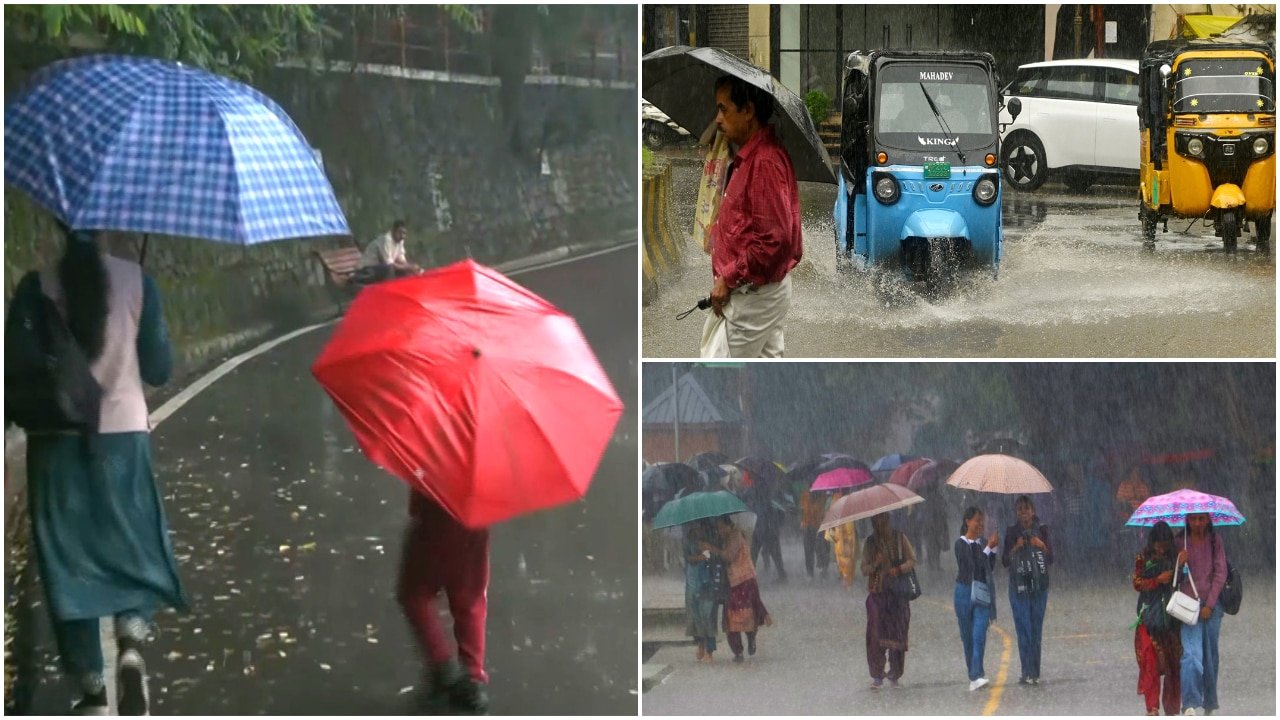
Monsoon Intensity Escalates: Widespread Rainfall Alerts Issued Across Key Agricultural Belts
The India Meteorological Department (IMD) has issued a comprehensive weather warning as an active monsoon spell takes hold across vast swathes of the country. On Tuesday, August 11, atmospheric conditions—driven by a well-defined monsoon trough and a significant low-pressure system—are expected to trigger heavy to very heavy rainfall across multiple states. From the northern plains to the southern peninsula, the convergence of moisture-laden winds is set to intensify, bringing thunderstorms, lightning, and gusty winds to regions already grappling with the complexities of the current cropping season.
Meteorological data indicates that the current weather activity is not isolated but part of an expansive, multi-state phenomenon. The synoptic features contributing to this forecast suggest that the intensity of the monsoon will remain elevated over the coming days, prompting authorities to advise agricultural communities and residents alike to remain vigilant. As the low-pressure area tracks inland, the distribution of rainfall is expected to be widespread, significantly impacting both urban infrastructure and rural landscapes.
Regional Impact and Meteorological Drivers
The influence of the monsoon trough, which is currently positioned south of its normal location, is effectively channeling moisture toward the northern and central interiors of India. In the north, states including Delhi, Uttar Pradesh, and Rajasthan are bracing for heavy precipitation. For these regions, the rainfall is critical for replenishing soil moisture levels, though the intensity of the downpours poses an immediate risk of waterlogging in low-lying agricultural fields and potential damage to standing crops that are in sensitive stages of development.
Simultaneously, the western and southern regions—specifically Maharashtra, Gujarat, Kerala, and Karnataka—are experiencing the brunt of the active monsoon phase. In these areas, the orographic effect, combined with the low-pressure system, is expected to result in heavy to very heavy rainfall. The coastal and interior districts of Maharashtra and Karnataka, in particular, are observing strong wind gusts alongside persistent showers. These conditions are characteristic of a peak monsoon cycle where the spatial distribution of rain becomes highly erratic, often leading to localized flooding and high-velocity winds that can compromise plant structural integrity.
Agricultural Vulnerabilities and Risk Mitigation
The timing of this intense weather spell is particularly significant for the agricultural sector. Across the northern and central belts, many farmers are currently managing crops that are highly susceptible to excessive soil moisture. In the western and southern regions, the ongoing rainfall is essential for reservoir replenishment and groundwater recharge; however, the sudden onset of heavy showers can lead to nutrient leaching and the proliferation of fungal pathogens. The combination of high humidity and sustained rain creates an environment conducive to crop diseases, necessitating proactive management strategies.
Agricultural extension services are emphasizing the need for robust field drainage systems to prevent water stagnation, which can lead to root rot and other physiological stressors in crops. Furthermore, the forecast of thunderstorms and lightning poses a direct safety risk to farmers working in open fields, as well as potential localized damage to horticultural crops and fruit orchards that may not withstand the impact of high-velocity winds.
What This Means for Farmers
For the farming community, the IMD’s latest warnings necessitate a shift toward immediate, defensive agronomic practices. The primary economic and operational consequences include:
- Field Drainage Management: Farmers in low-lying areas must ensure that drainage channels are cleared to prevent water stagnation. Excess water remaining in the field for more than 48 hours can severely impact crop vigor and lead to significant yield losses.
- Disease Prevention: Increased humidity and sustained rain significantly heighten the risk of fungal and bacterial infections. Farmers should monitor their fields for early signs of disease and be prepared to apply recommended prophylactic treatments once the weather clears, as the effectiveness of foliar sprays is diminished during active rainfall.
- Input Application Timing: It is strongly advised to postpone the application of fertilizers and pesticides during periods of heavy rain. Rainfall immediately following application will lead to significant nutrient leaching and chemical runoff, resulting in both economic loss and reduced efficacy.
- Safety Protocols: Given the forecast for lightning and strong winds, farmers are urged to prioritize personal safety. Avoid working in open fields or taking shelter under isolated trees during thunderstorm activity.
- Monitoring Local Updates: Weather conditions can shift rapidly during an active monsoon. Farmers should rely on district-level weather alerts provided by the IMD and local agricultural universities to make informed decisions regarding field operations and harvest schedules.
By staying informed and taking preemptive steps to protect soil health and crop integrity, farmers can better navigate the challenges posed by this intense monsoon spell and mitigate the potential for long-term economic disruption.