
Widespread Monsoon Alert: IMD Issues Heavy Rainfall Warnings Across Key Agricultural Regions
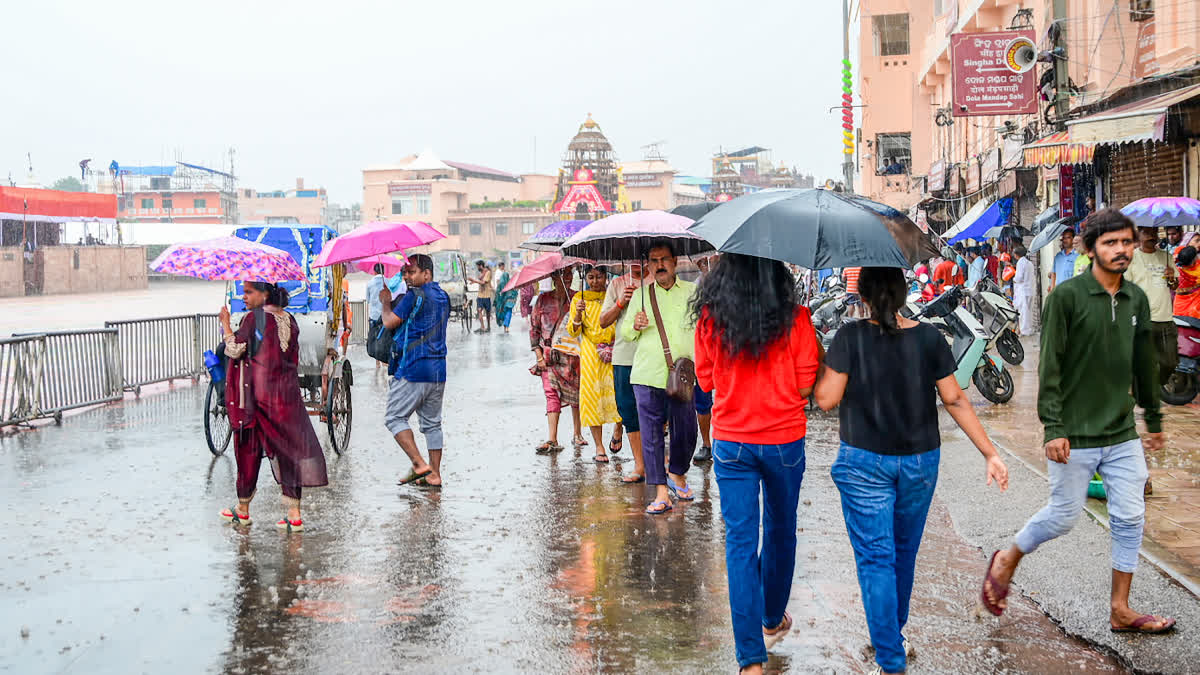
The India Meteorological Department (IMD) has issued a comprehensive weather advisory effective July 27, signaling a significant intensification of monsoon activity across large swathes of the country. With heavy to very heavy rainfall, accompanied by thunderstorms and gusty winds, expected to impact regions ranging from the National Capital Region (NCR) to the far reaches of Assam and Gujarat, agricultural producers and rural communities are being urged to exercise extreme caution.
The current weather pattern is being driven by a combination of active monsoon troughs and regional atmospheric instability. Meteorological data indicates that the moisture-laden winds from the Arabian Sea and the Bay of Bengal are converging over the northern and western states, creating conditions ripe for intense precipitation. For farmers, this period of heightened volatility requires immediate attention to crop management and field drainage to mitigate the risk of waterlogging and soil erosion.
Regional Impact and Vulnerable Zones
The IMD forecast highlights a broad geographic footprint for the impending rainfall. In Northern India, including Delhi, Noida, Gurugram, and parts of Uttar Pradesh and Uttarakhand, the onset of heavy spells poses a risk of flash flooding in low-lying areas. Uttarakhand, in particular, remains under close monitoring due to its high susceptibility to landslides, which can disrupt vital supply chains and rural transport links.
Moving westward, Gujarat and Maharashtra are bracing for heavy downpours that could impact ongoing kharif sowing operations. In the eastern corridor, Bihar and Assam are currently navigating the complexities of monsoon flooding. The intensity of the predicted thunderstorms in these regions threatens not only standing crops but also the integrity of farm infrastructure, such as storage sheds and irrigation channels. The IMD has advised local administrations to maintain high levels of preparedness in flood-prone districts to ensure the safety of both human and livestock populations.
Agronomic Challenges Amidst Monsoon Volatility
For the agricultural sector, the timing of this heavy rainfall is critical. In many regions, the kharif season—which includes essential crops such as paddy, pulses, and oilseeds—is in a sensitive stage of development. While adequate rainfall is necessary for reservoir replenishment and soil moisture, extreme, high-intensity precipitation events can lead to nutrient leaching, root rot, and the physical lodging of crops.
Agronomists emphasize that sudden, excessive water accumulation can lead to nitrogen loss in the soil, potentially necessitating supplemental fertilization once the weather stabilizes. Furthermore, the combination of high humidity and standing water creates an ideal environment for the proliferation of fungal diseases and pest infestations. Producers in the affected states are encouraged to monitor their fields closely for signs of disease pressure and to ensure that drainage outlets are clear to prevent prolonged water stagnation.
What This Means for Farmers
The current weather alert serves as a reminder of the increasing unpredictability of monsoon patterns and the necessity for climate-resilient farming practices. Farmers in the affected regions should consider the following actionable steps:
- Prioritize Field Drainage: Ensure that all drainage channels are free of debris to allow for the rapid removal of excess water. Preventing waterlogging is the single most effective way to protect crop roots from suffocation and rot.
- Postpone Chemical Applications: Avoid the application of fertilizers or pesticides immediately before or during heavy rain, as the runoff will render these inputs ineffective and contribute to environmental pollution. Wait for a clear window to ensure maximum uptake.
- Monitor for Pest and Disease: High humidity levels often precede outbreaks of blight, rust, and various insect pests. Conduct regular field inspections and be prepared to implement integrated pest management (IPM) strategies as soon as conditions permit.
- Secure Livestock and Assets: Move livestock to higher, sheltered ground and ensure that harvested produce or critical farm equipment is stored in dry, elevated locations.
- Stay Informed: Continue to monitor local IMD bulletins and district-level agricultural advisories. These updates provide essential, localized data that can inform daily operational decisions and help mitigate potential economic losses.
While the monsoon is the lifeblood of Indian agriculture, its erratic behavior in recent years underscores the need for proactive risk management. By remaining vigilant and responsive to meteorological warnings, the farming community can better navigate the challenges of this current weather event and protect their seasonal yields.


