Monsoon Intensifies: Widespread Heavy Rainfall Forecast Across India for July 31
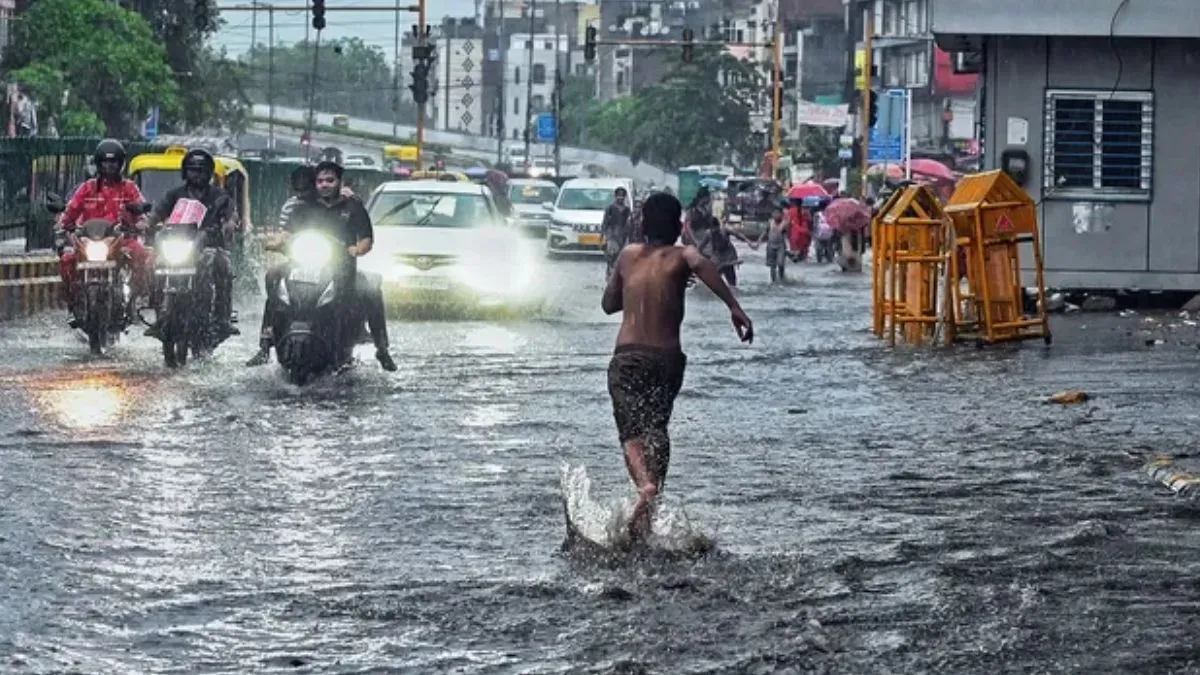
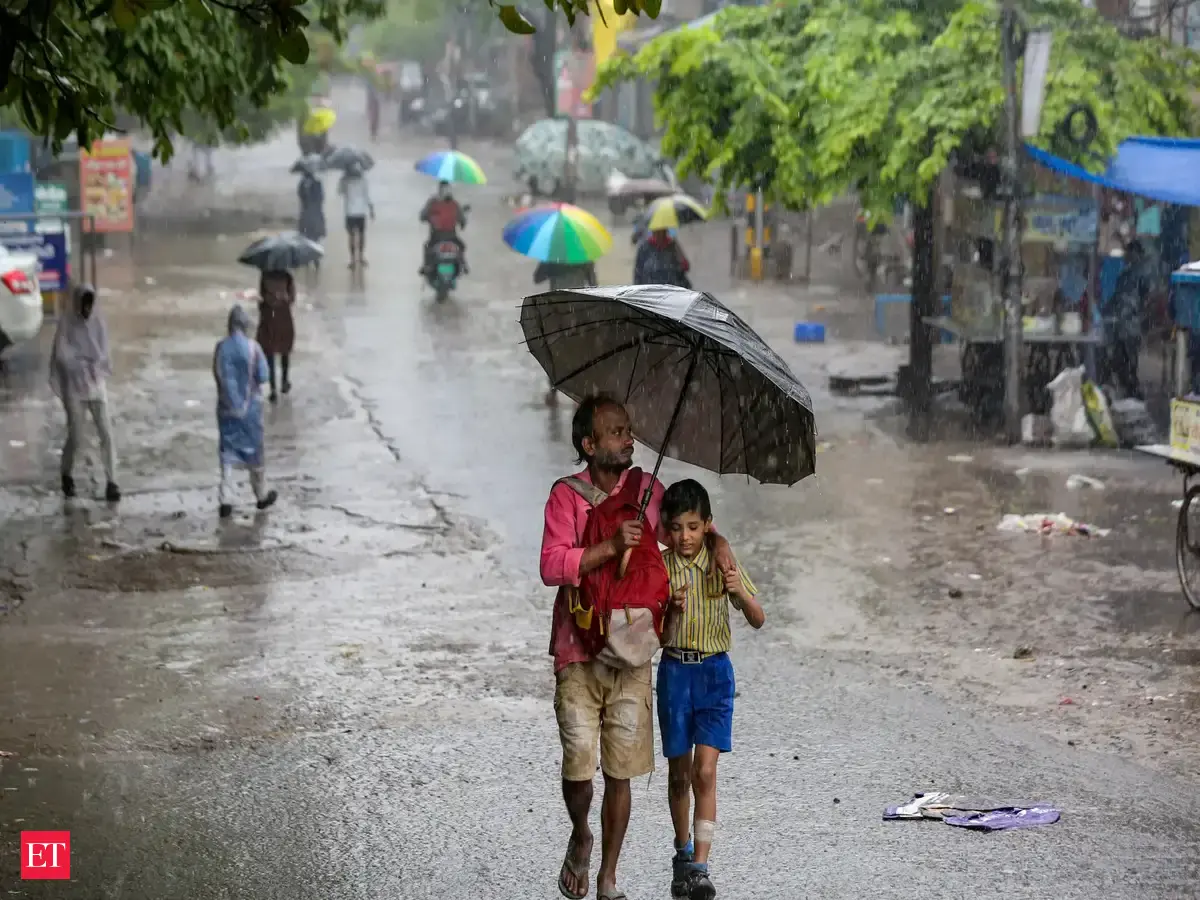
As the Indian monsoon season reaches a critical phase, the India Meteorological Department (IMD) has issued comprehensive weather alerts for July 31, 2026, signaling a period of intense atmospheric activity. Meteorological data indicates that active monsoon conditions are currently prevailing across vast swathes of the country, impacting agricultural planning and infrastructure readiness in the north, central, east, and southern regions. With the monsoon trough remaining in a favorable position, authorities are warning of heavy to very heavy rainfall, accompanied by the risk of localized flooding and structural damage due to thunderstorm activity.
Regional Breakdown of Expected Weather Patterns
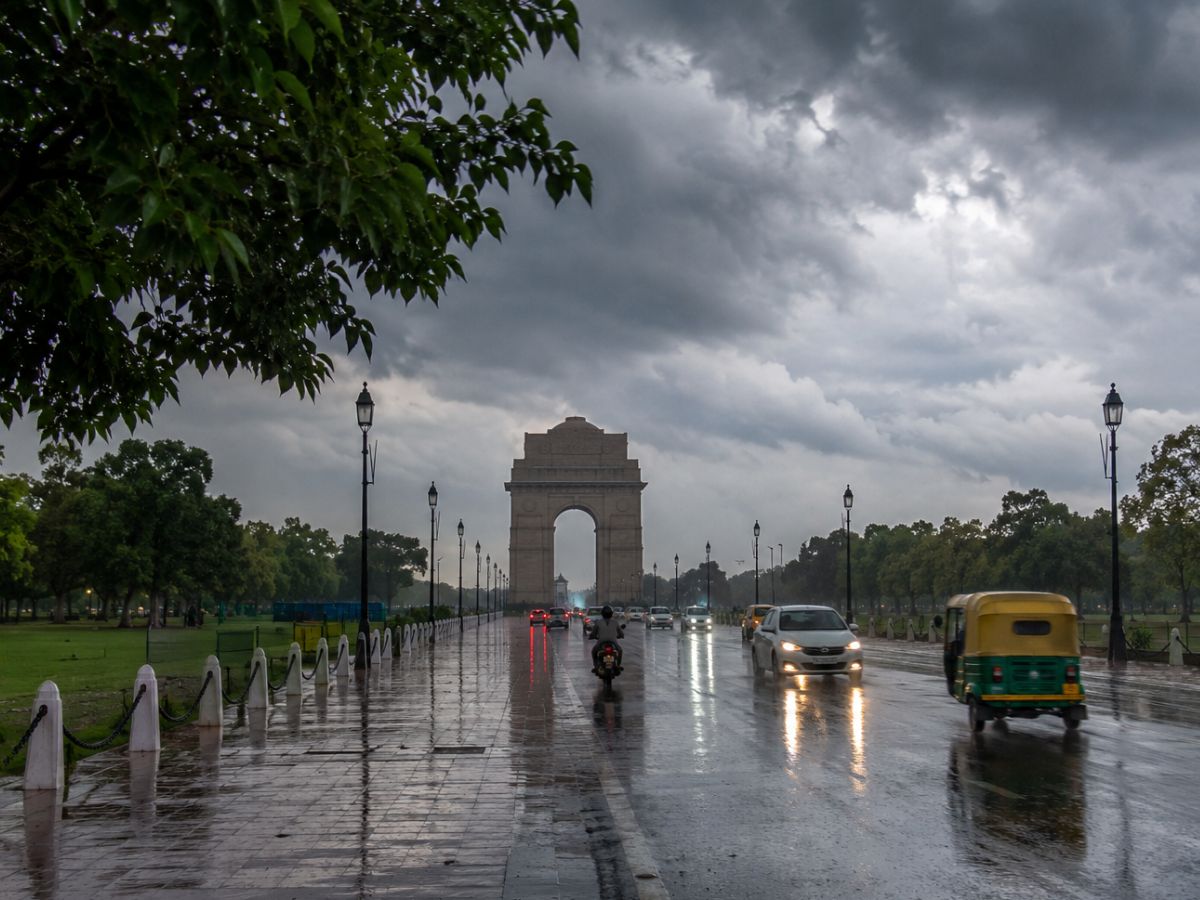
The current weather system is characterized by a high degree of moisture convergence, which is expected to trigger significant precipitation across diverse climatic zones. In Northern India, including the National Capital Region of Delhi, residents and agricultural operators should prepare for spells of heavy rain that may disrupt daily operations and field work. These conditions are largely driven by the oscillation of the monsoon trough, which is directing moisture-laden winds toward the Indo-Gangetic plains.
Simultaneously, the western coast, particularly Gujarat and Kerala, remains under a high-alert status. These regions are experiencing the brunt of offshore troughs, which are funneling significant moisture from the Arabian Sea. In Kerala, the topography of the Western Ghats is expected to exacerbate rainfall intensity, leading to concerns regarding soil saturation and potential landslides in hilly areas. Meanwhile, in Gujarat, the influx of moisture is expected to provide much-needed relief to parched regions, though it brings the concurrent risk of waterlogging in low-lying agricultural basins.
The central and eastern belts of India are also braced for severe weather. The IMD has highlighted that these areas will likely witness thunderstorms accompanied by lightning and gusty winds. These rapid-onset weather events can be particularly hazardous to outdoor laborers and livestock, necessitating heightened vigilance and the implementation of safety protocols in open fields.
The Dynamics of an Active Monsoon Phase
The current intensity of the monsoon is a result of a combination of synoptic features that have aligned to sustain rainfall activity. Meteorologists note that the continued presence of cyclonic circulations, coupled with the strengthening of low-level monsoon winds, has created a conducive environment for widespread convective activity. This phase of the monsoon is critical for the kharif crop cycle, as it replenishes water reservoirs and soil moisture levels that are essential for the growth of primary staples such as paddy, pulses, and oilseeds.
However, the intensity of the forecast—specifically the mention of "very heavy" rainfall—suggests that the precipitation may exceed the absorptive capacity of the land in certain districts. When rainfall intensity outpaces soil infiltration rates, it leads to rapid surface runoff. This phenomenon not only threatens to wash away topsoil and fertilizers but also poses a risk of crop lodging, where tall-standing crops are flattened by the combination of heavy rain and high-velocity winds, potentially compromising yield quality and harvest efficiency.
What This Means for Farmers
For the farming community, the IMD’s forecast serves as an urgent call for proactive risk management. The following considerations are paramount during this period of high-intensity rainfall:
- Field Drainage Management: Farmers in low-lying areas should ensure that drainage channels are cleared of debris. Preventing water stagnation is critical, as prolonged waterlogging can lead to root rot and nutrient leaching, which can stunt crop development.
- Input Application Timing: It is strongly advised to postpone the application of fertilizers, pesticides, or herbicides during periods of heavy rain forecast. Rainfall immediately following application will likely result in the runoff of expensive inputs, reducing their efficacy and potentially contaminating local water sources.
- Livestock Safety: With thunderstorms and lightning predicted, farmers should secure livestock in reinforced shelters. Avoid tethering animals near metal structures or isolated trees, which act as lightning attractants.
- Monitoring Crop Health: Post-rainfall, fields should be monitored for the emergence of fungal diseases or pests that thrive in high-humidity environments. Early detection remains the most effective strategy for mitigating potential losses.
- Staying Informed: Agricultural operators are encouraged to track real-time updates via local district weather portals and state-level agricultural advisory services. Utilizing localized forecasts can help in timing critical field activities to avoid the worst of the incoming weather systems.
While the monsoon is essential for India’s food security, the current forecast demands a balanced approach of vigilance and preparedness. By mitigating the risks associated with extreme weather, farmers can better protect their investments and ensure the resilience of their crops during this volatile phase of the season.