Unprecedented Rainfall Transforms Valsad into India’s New ‘Cherrapunji’
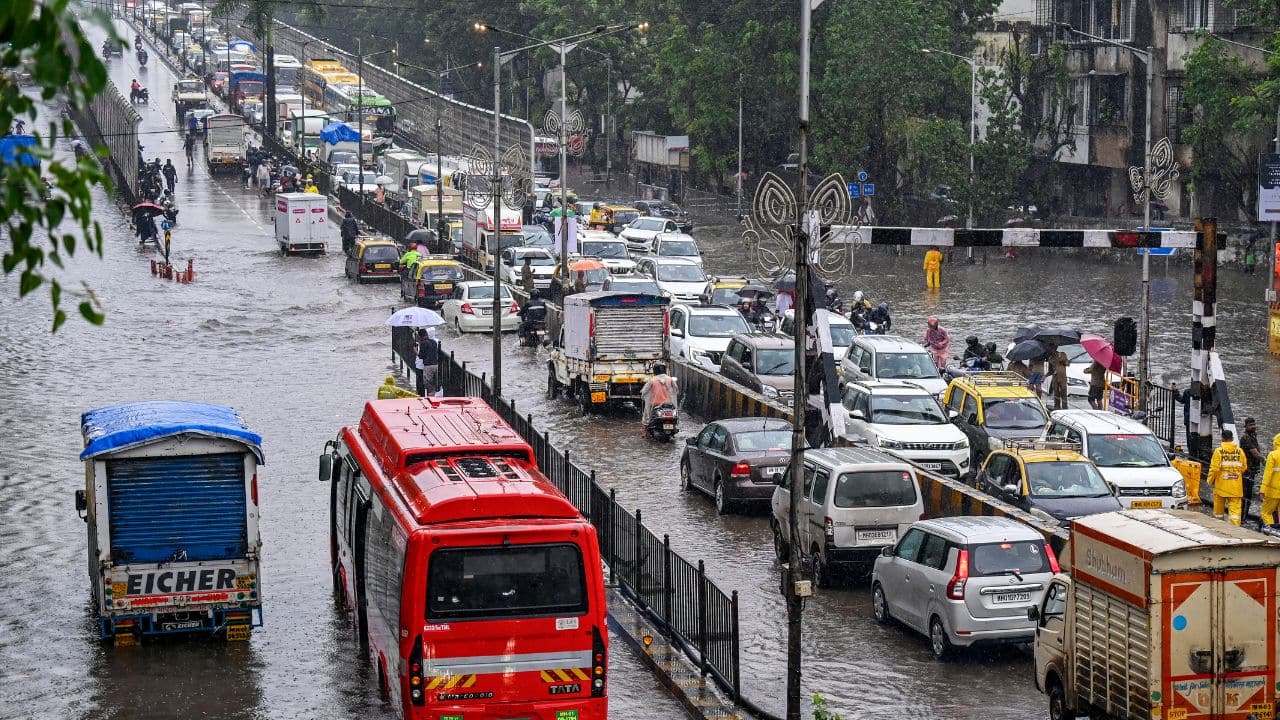
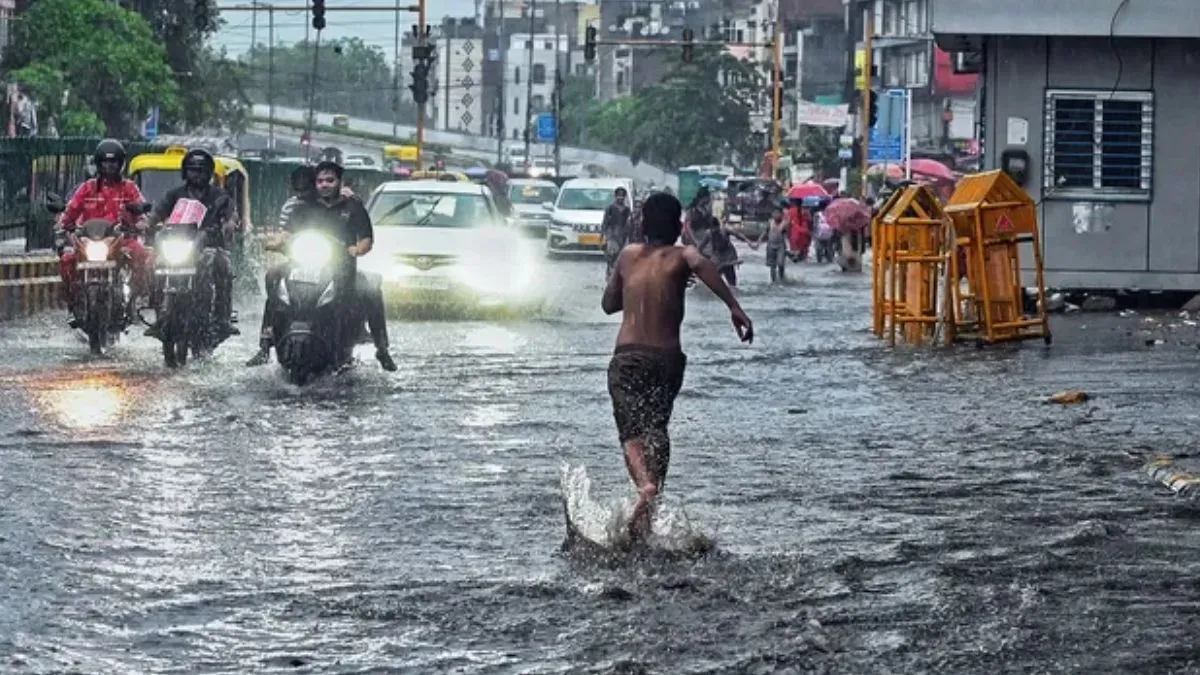
The district of Valsad in South Gujarat has been thrust into a state of catastrophic emergency following an unprecedented meteorological event that has left the region reeling. In a span of just a few hours, the area received a staggering 46 inches—approximately 1,200 millimeters—of rainfall. This deluge, which rivals the historic precipitation patterns typically associated with Cherrapunji, has paralyzed infrastructure, submerged residential zones, and triggered one of the largest rescue operations in the state's recent history.
Local authorities and emergency response teams have been working around the clock to address the scale of the destruction. With entire neighborhoods transformed into inland waterways, the physical landscape of the district has been fundamentally altered. The sheer volume of water overwhelmed existing drainage systems and flood mitigation infrastructure, leading to rapid inundation that caught thousands of residents off guard. As the waters continue to recede in some areas, the true extent of the damage to property, agriculture, and essential services is only beginning to come into focus.
The Meteorological Drivers Behind the Deluge
Climate experts and meteorologists point to a convergence of factors that turned a standard monsoon weather pattern into a record-breaking disaster. At the heart of the crisis was a powerful, slow-moving weather system that developed over the Arabian Sea. This system acted as a moisture conveyor belt, funneling immense quantities of water vapor directly onto the coastal plains of South Gujarat.
While South Gujarat is accustomed to heavy monsoon rains, the intensity of this specific event highlights the growing influence of climate change on regional weather systems. Increased sea-surface temperatures in the Arabian Sea have been linked to more frequent and intense cyclonic disturbances. These warmer waters provide additional energy to atmospheric systems, allowing them to hold more moisture and release it in concentrated, high-intensity bursts. The "Valsad event" is being cited by many in the scientific community as a stark example of how climate instability is shifting the baseline for what constitutes a "normal" weather event in coastal India.
The Scale of Displacement and Infrastructure Damage
The humanitarian impact of the flooding has been profound. Emergency responders successfully evacuated more than 12,000 people from low-lying areas, many of whom were trapped as floodwaters rose with frightening speed. In several urban centers across the district, the flooding was so severe that two-storey residential structures were completely submerged, forcing families to seek refuge on rooftops or in higher-altitude shelters.
The structural integrity of the region has been severely compromised. Beyond the immediate loss of livestock and household goods, the flooding has damaged critical road networks, disrupted power supply grids, and contaminated local water sources. Agricultural fields, which are the lifeblood of the Valsad economy, have been washed out, with standing crops suffering total losses due to waterlogging. The recovery phase is expected to be lengthy, requiring massive coordination between state disaster management forces and local administrative bodies to restore normalcy and prevent the outbreak of waterborne diseases in the aftermath of the inundation.
What This Means for Farmers
For the agricultural community, the devastation in Valsad serves as a grim reminder of the increasing volatility in regional climate patterns. Farmers must now grapple with several immediate and long-term consequences:
- Crop Loss and Soil Degradation: Excessive rainfall leads to immediate crop failure due to root asphyxiation and physical damage. Furthermore, the topsoil—the most fertile layer of the field—is often stripped away during flash floods, which may require significant investment in soil remediation and nutrient replenishment before the next planting cycle.
- Livestock and Infrastructure Vulnerability: The loss of fodder and the damage to animal shelters represent a significant financial blow. Farmers are advised to prioritize the vaccination of livestock as a precautionary measure against post-flood infections and to secure feed supplies in elevated, dry areas.
- Need for Adaptive Agronomy: As weather patterns become more erratic, traditional planting schedules may no longer be reliable. Farmers should look toward crop diversification, specifically planting flood-tolerant varieties where possible, and investing in advanced drainage systems that can handle extreme water surges.
- Financial Risk Management: This event underscores the critical importance of robust crop insurance. Farmers are encouraged to document all losses through photographs and official reports immediately, as this documentation is essential for accessing government relief packages and insurance claims.
- Long-term Planning: Future agricultural planning must account for the reality of extreme weather. This includes building resilient storage facilities for harvested produce and seeds, as well as participating in community-based early warning systems that can provide more localized data during extreme weather alerts.