India and the Netherlands have officially deepened their strategic partnership in the water sector, signing new Memoranda of Understanding (MoUs) in September 2026. The renewed collaboration places a significant emphasis on advancing technical expertise for the ambitious Kalpasar Project in Gujarat, which aims to create a massive freshwater reservoir by utilizing runoff from the Sabarmati, Mahi, and Dhadhar rivers, supplemented by Narmada river water.
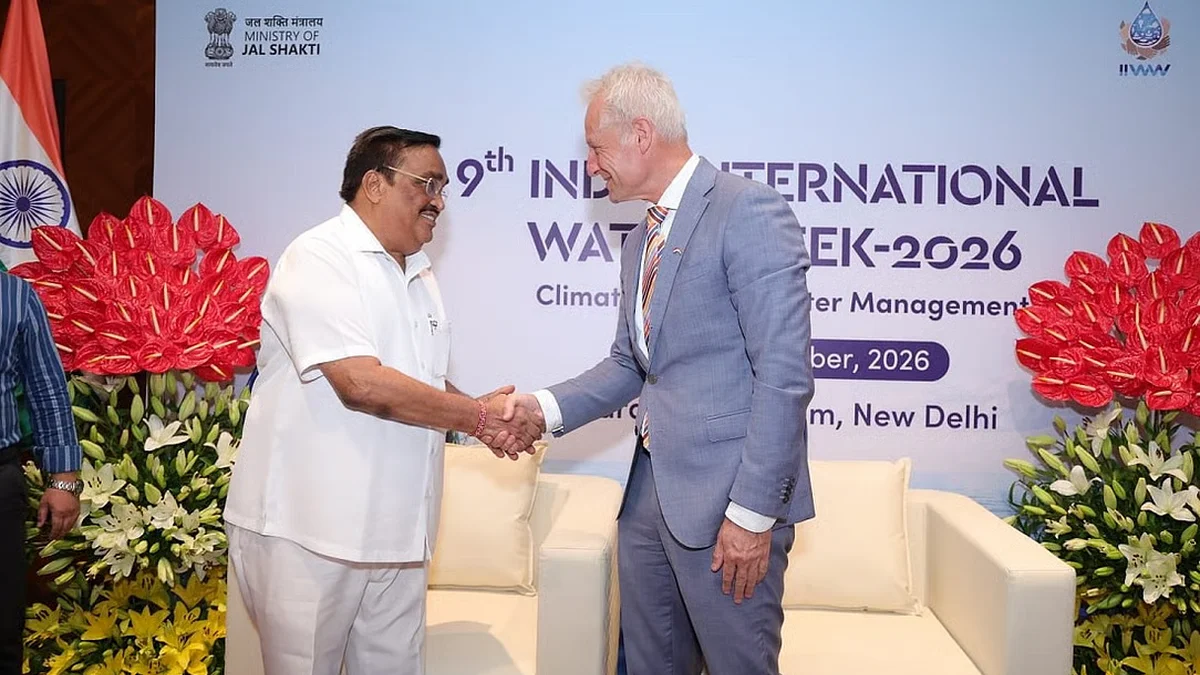
The agreement was formalized during bilateral discussions held in New Delhi on the sidelines of the 9th India International Water Week 2026. Representatives from both nations, including Dutch officials, highlighted the importance of exchanging knowledge to address the growing challenges of water scarcity and drought. The partnership leverages the Netherlands' century-long experience with large-scale water infrastructure, such as the Afsluitdijk, to support the technical decision-making process for the Kalpasar development.
Beyond the Kalpasar Project, the collaboration includes initiatives managed under the India-Netherlands Centre of Excellence on Water. This includes a demonstration project in Delhi testing hollow-fibre nanofiltration technology, which aims to treat wastewater directly for high-quality reuse, potentially offering a scalable model for urban water management.
India Netherlands water partnership: What This Means for Farmers
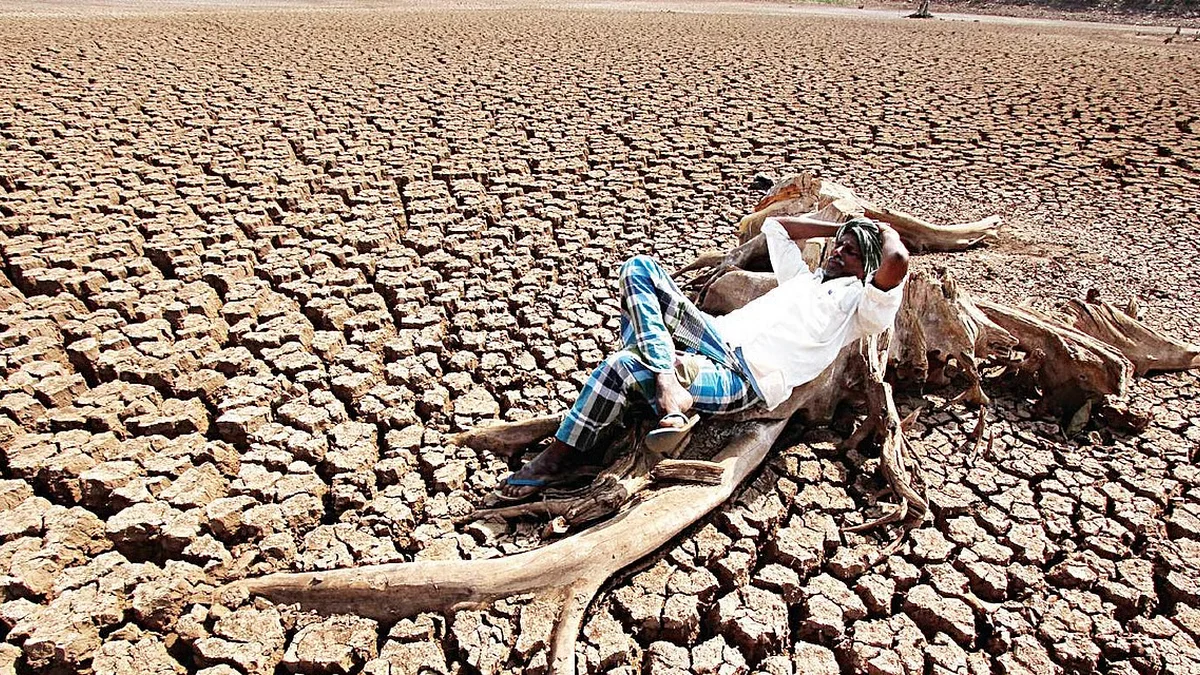
For the agricultural sector, this partnership represents a long-term strategic effort to improve water availability and security. The implications for farmers, particularly in regions prone to water stress, include:
- Improved Water Storage: The technical cooperation on the Kalpasar Project is designed to help create a reliable freshwater source, which could enhance irrigation potential and water security for farmers in the surrounding areas.
- Drought Resilience: As both countries share strategies for managing drought, the exchange of knowledge regarding soil moisture retention, groundwater recharge, and the restoration of natural river channels may lead to more sustainable water use practices in the future.
- Water Conservation Technologies: The focus on advanced wastewater treatment and precise water management in industrial and urban settings helps conserve freshwater resources, ensuring that more water remains available for critical agricultural needs during dry periods.
The Netherlands has shifted its water policy from a primary focus on drainage toward strategies that retain water within the landscape. By sharing these experiences, the partnership seeks to assist India in adapting to the realities of climate-induced drought and seasonal water variability, ensuring that water management systems are better equipped to support long-term agricultural stability.
Source: Down To Earth