Surat on High Alert as Severe Weather System Approaches Coastal Gujarat
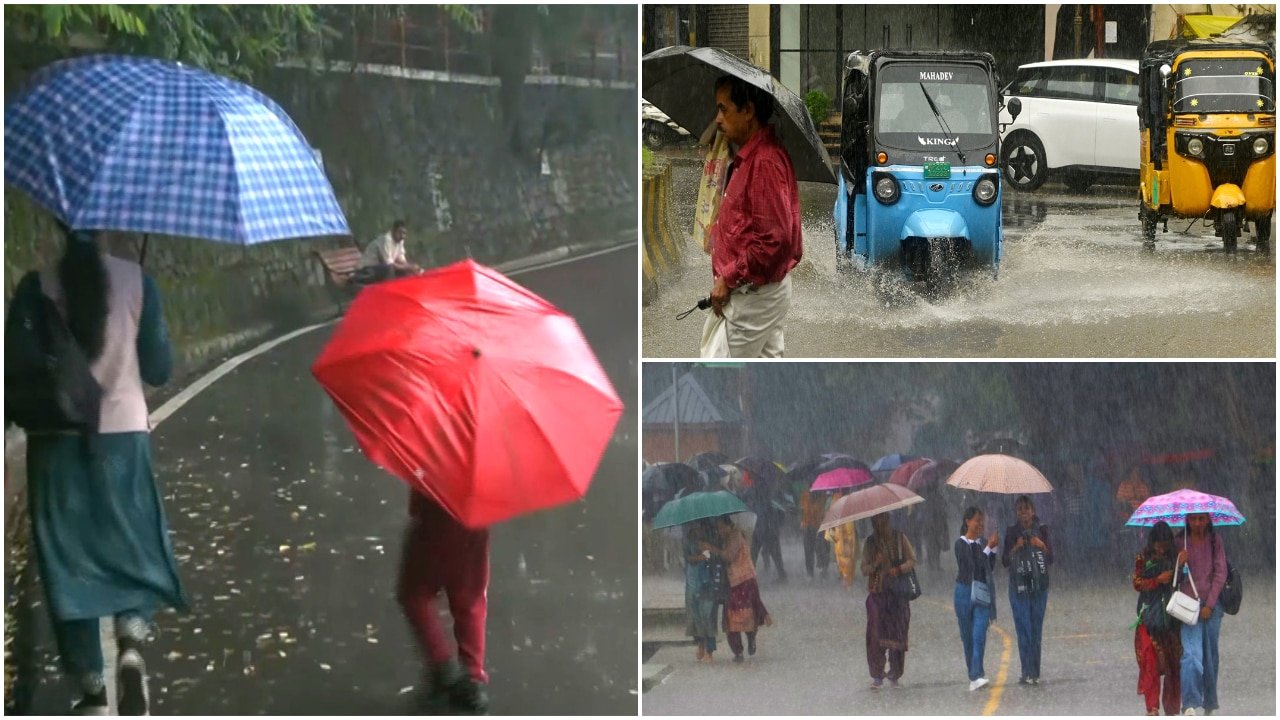
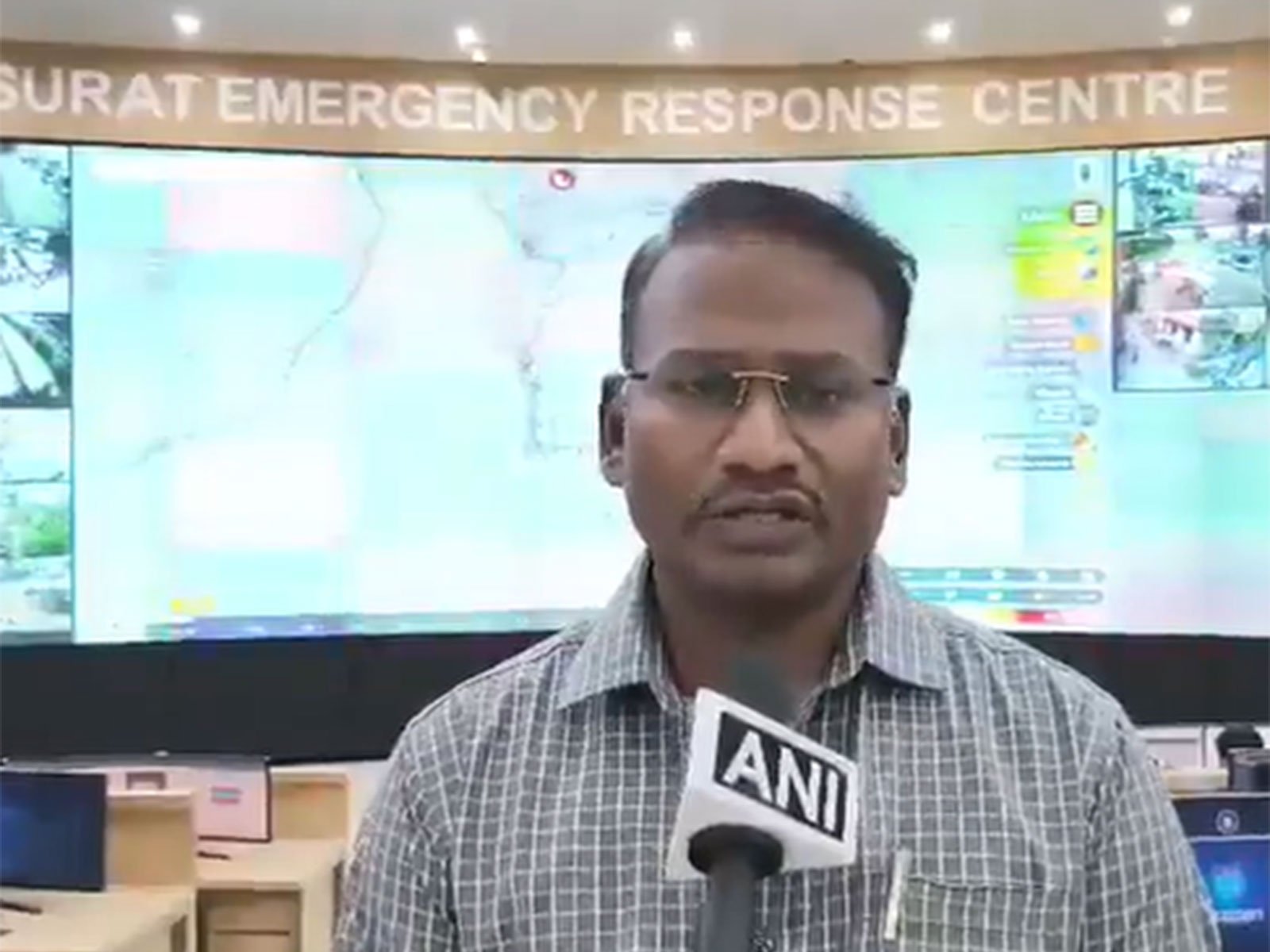
Authorities in Surat have escalated emergency preparations as a significant weather system tracks toward the Gujarat coastline. With a Red Alert officially issued for January 31, local administration and disaster management agencies are bracing for the impact of a fast-approaching storm. The alert, which signifies the potential for extreme weather conditions, has prompted a comprehensive mobilization of resources, including the strategic positioning of National Disaster Response Force (NDRF) and State Disaster Response Force (SDRF) teams across high-risk zones.
The meteorological trajectory suggests that the storm could bring localized flooding, high-velocity winds, and significant disruption to critical infrastructure. As Surat serves as a vital economic and agricultural hub for the region, the potential for widespread disruption has led to an immediate shift toward emergency protocols. District officials are coordinating closely with meteorological services to monitor the storm’s intensity and path, ensuring that evacuation routes and emergency shelters are prepared to handle potential displacements.
Emergency Mobilization and Infrastructure Resilience
The deployment of NDRF and SDRF personnel is a precautionary measure designed to provide rapid response capabilities in the event of structural damage or localized flooding. These specialized units are equipped with advanced rescue gear, including inflatable boats, tree-clearing equipment, and emergency medical supplies. Their presence is particularly focused on low-lying coastal areas and urban centers where drainage infrastructure may struggle to cope with sudden, high-volume rainfall.
Beyond human safety, municipal authorities are working to secure public infrastructure. This includes the stabilization of power grids and telecommunication towers, which are often the first to be compromised during severe wind events. Residents have been advised to secure loose outdoor objects and reinforce temporary structures. The district administration has also established 24-hour control rooms to facilitate real-time communication, allowing for the rapid dissemination of warnings and the coordination of logistical support for those in vulnerable locations.
Agricultural Vulnerability and Crop Protection
For the agricultural sector, the timing of this storm presents a significant challenge. Gujarat’s farming community is currently managing critical growth stages for various rabi season crops. High-velocity winds and excessive soil moisture pose an immediate risk of lodging—where stalks are bent or broken—and the potential for waterlogging in fields that lack adequate drainage. The threat of unseasonal rainfall can also degrade the quality of mature harvests, potentially leading to significant economic losses for smallholder farmers and large-scale agribusinesses alike.
The agricultural department is urging farmers to prioritize the safety of livestock and the protection of stored produce. In areas where crops are nearing maturity, the focus is on rapid harvesting where possible, or the implementation of protective measures to mitigate wind damage. Furthermore, the potential for soil erosion and the leaching of nutrients due to heavy rainfall remains a concern for long-term field productivity in the weeks following the weather event.
What This Means for Farmers
The onset of this severe weather system requires immediate, proactive management from the agricultural community. To navigate the coming days, farmers should consider the following practical steps:
- Prioritize Livestock Safety: Move all livestock to higher, sheltered ground. Ensure that feed supplies are kept in dry, elevated areas to prevent spoilage from moisture or flooding.
- Secure Infrastructure: Inspect and reinforce any structures housing machinery or inputs. Ensure that irrigation equipment, such as pumps and electrical panels, is disconnected and protected from water ingress.
- Field Drainage: If time permits, clear field drains and channels to facilitate the rapid removal of excess water. Preventing stagnant water in the root zone is critical to avoiding fungal diseases and root rot.
- Monitor Official Advisories: Remain tuned to local government updates regarding the storm's path. Do not rely on unverified social media reports; follow instructions from the district agricultural office regarding post-storm soil management and potential disease mitigation.
- Documentation for Insurance: Should damage occur, keep detailed records, including photographs of fields and infrastructure, to assist in any future insurance claims or government compensation assessments.
As the storm approaches, the primary focus remains on safety and the minimization of agricultural loss. While the full extent of the weather event remains to be seen, early preparation and adherence to official guidance are the best defenses against the volatile conditions forecast for January 31.