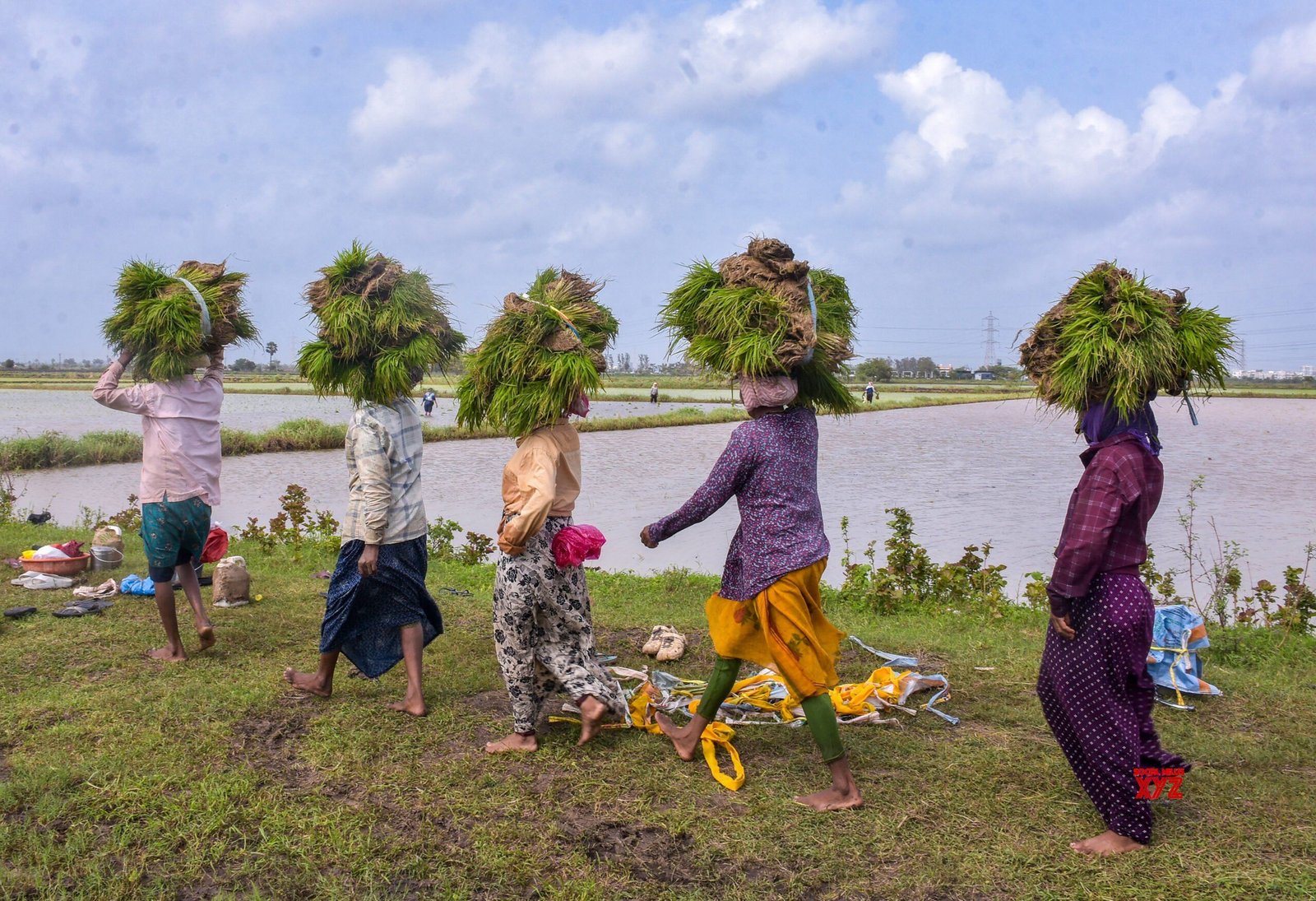
Seasonal Shift: Farmers Begin Paddy Transplantation Across Surat Region
As the monsoon season gains momentum across the coastal plains of Gujarat, agricultural activity in the Surat district has shifted into high gear. Farmers in the region have officially commenced the critical phase of paddy transplantation, a labor-intensive but essential process that dictates the yield potential for the upcoming Kharif harvest. This transition from seedbeds to the main field marks the culmination of weeks of preparation, including soil enrichment, nursery management, and the careful monitoring of early-season rainfall.
The transplantation process is a time-sensitive operation that requires optimal soil saturation and precise water management. In Surat’s fertile alluvial soil, farmers are currently seen working in coordinated teams to ensure that healthy, robust saplings are transferred from nurseries to prepared puddled fields. This stage is particularly vital for the long-term health of the crop, as it establishes the root structure necessary to withstand the varying moisture levels typical of the monsoon months.
The Mechanics of Modern Paddy Cultivation
Paddy cultivation remains the backbone of the region’s agricultural economy, relying heavily on the sophisticated balance of hydro-management and nutrient application. The transplantation process involves carefully uprooting saplings that have typically reached the three-to-four-leaf stage. By moving these plants into fields that have been thoroughly tilled and flooded, farmers provide the seedlings with a competitive advantage against weeds and ensure immediate access to the nutrient-rich mud.
Agronomists emphasize that the timing of this transplantation is critical. If the saplings are left in the nursery for too long, they may become "leggy" or develop stunted root systems, which can significantly reduce their ability to tiller—the process by which a single plant produces multiple stalks. By transplanting at the current optimal window, farmers in the Surat area are aiming to maximize the density of the crop, thereby ensuring a more uniform maturation period and a higher grain-to-straw ratio at the time of harvest.
Optimizing Field Conditions and Crop Health
Beyond the physical labor of transplantation, the current phase involves rigorous field management strategies. Proper water level maintenance is paramount; fields must be kept under a shallow layer of water to suppress weed germination while allowing the rice stalks to breathe. Many growers are also utilizing this period to apply basal doses of fertilizers, ensuring that the soil profile is adequately prepared to support the rapid vegetative growth that follows the transplant.
Climate variability remains a perennial concern for the agricultural community. While the current rainfall pattern has provided the necessary moisture for transplantation, farmers are remaining vigilant. Integrated pest management (IPM) strategies are being introduced early, with many producers opting for seed treatments and preventive measures to ward off common early-season pathogens that thrive in the high-humidity environment of the rice paddies. The success of this year’s crop will depend on the continued consistency of the monsoon rains and the ability of local farmers to maintain these precise environmental conditions throughout the vegetative growth stage.
What This Means for Farmers
For the farming community, the commencement of paddy transplantation is a signal to prioritize efficiency and resource management. The practical implications of this phase include:
- Labor Coordination: As transplantation is highly labor-intensive, farmers should focus on securing reliable labor or exploring mechanical transplanters if available to reduce the physical burden and ensure the task is completed within the optimal window.
- Water Management: Maintaining consistent water levels is essential. Farmers are advised to monitor irrigation channels and field bunds to prevent unnecessary water loss, which can lead to uneven growth and increased weed pressure.
- Nutrient Stewardship: Soil testing remains the best guide for fertilizer application. Applying nutrients based on the specific needs of the soil at the time of transplantation can prevent wastage and minimize runoff, which is both economically and environmentally beneficial.
- Risk Mitigation: Keep a close watch on local weather forecasts. While paddy is a water-intensive crop, excessive flooding can damage young saplings. Ensuring that field drainage systems are functional can provide a safety net during periods of heavy, unpredicted rainfall.
- Economic Planning: Since the cost of cultivation rises significantly during the transplantation phase, farmers should keep detailed records of inputs and labor costs to better assess the break-even point for the upcoming harvest season.