Monsoon Deluge Paralyzes South Gujarat as Rainfall Totals Reach Record Levels
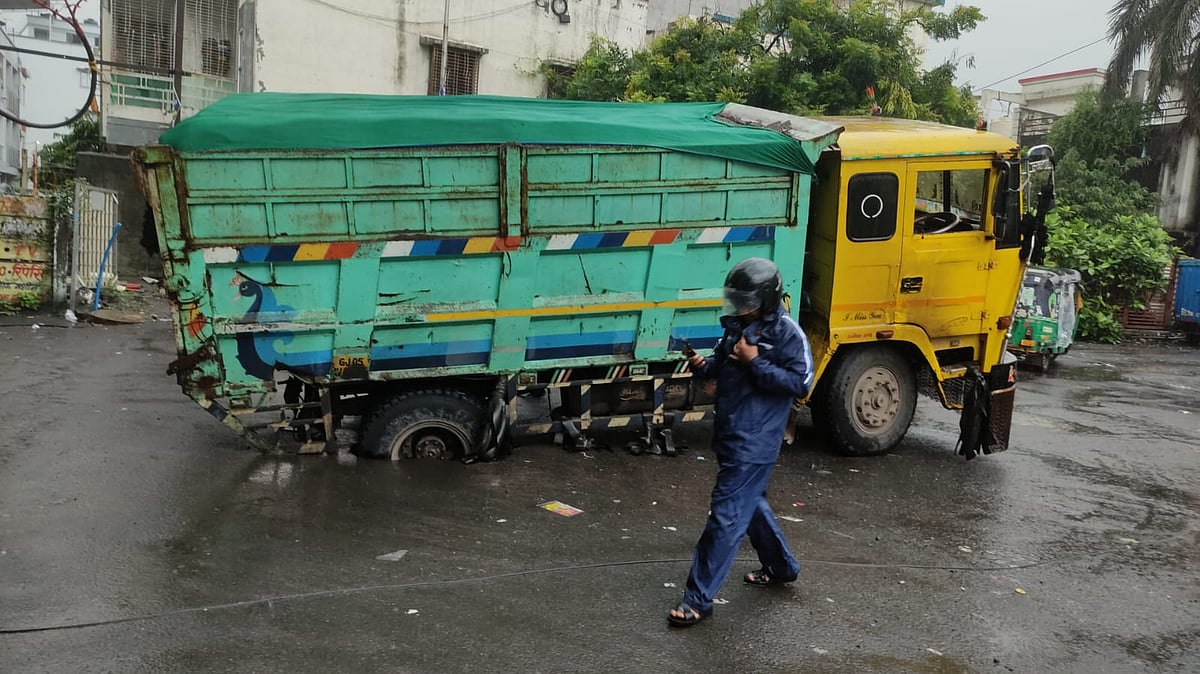
South Gujarat is currently grappling with the severe consequences of an intensified monsoon spell, as relentless rainfall has triggered widespread flooding, infrastructure disruption, and emergency evacuations across the region. Meteorological data indicates that the precipitation levels have far exceeded seasonal averages, with isolated pockets—most notably Kaprada—recording an staggering 16 inches of rainfall within a single 24-hour window. This extreme weather event has overwhelmed local drainage systems, turned roads into impassable waterways, and forced state authorities to place disaster management teams on high alert.
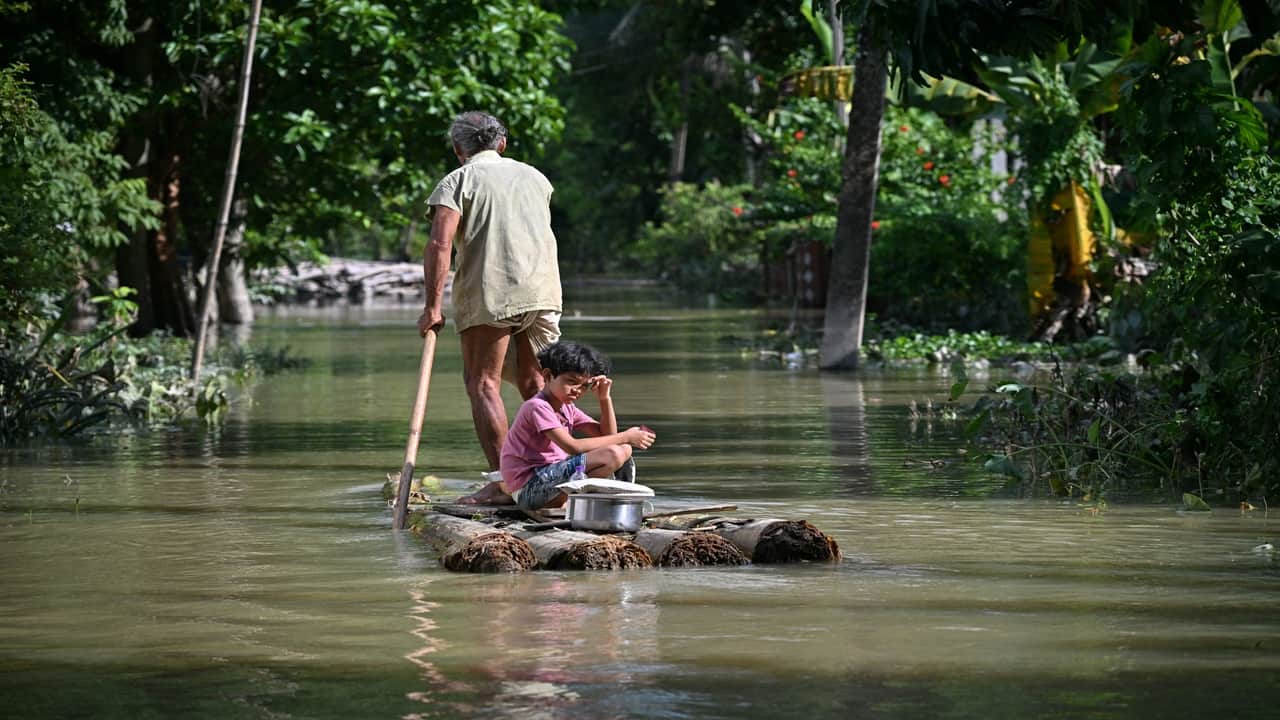
The intensity of this monsoon surge has caused rivers to breach their banks, leading to the inundation of low-lying rural settlements and agricultural tracts. As water levels continue to rise in critical catchment areas, district administrations have mobilized rescue operations to relocate residents from vulnerable floodplains to higher ground. The rapid accumulation of water has not only disrupted daily life but has also brought the agricultural economy of the region to a virtual standstill, as transport networks remain severed by submerged arterial roads.
Infrastructure Strain and Logistical Bottlenecks
The impact of the ongoing deluge is most visible in the breakdown of rural connectivity. In many parts of South Gujarat, secondary and tertiary road networks have been completely submerged, cutting off access to remote villages. For the agricultural sector, this creates an immediate crisis in the supply chain. Farmers are currently unable to transport perishable produce to regional wholesale markets, leading to significant post-harvest losses and logistical paralysis.
Furthermore, the saturation of the soil profile across the region poses a long-term challenge to civil infrastructure. With the ground already reaching its maximum water-holding capacity, any further precipitation threatens to cause localized landslides in the hilly terrains of Kaprada and surrounding areas. Local municipal bodies are currently struggling to clear debris and manage the overflow of irrigation canals, which were designed to handle seasonal rainfall but are now operating well beyond their threshold capacities. The ongoing alert status underscores the unpredictability of this weather pattern and the mounting pressure on public works departments to maintain essential services under duress.
Agricultural Vulnerability in a Changing Climate
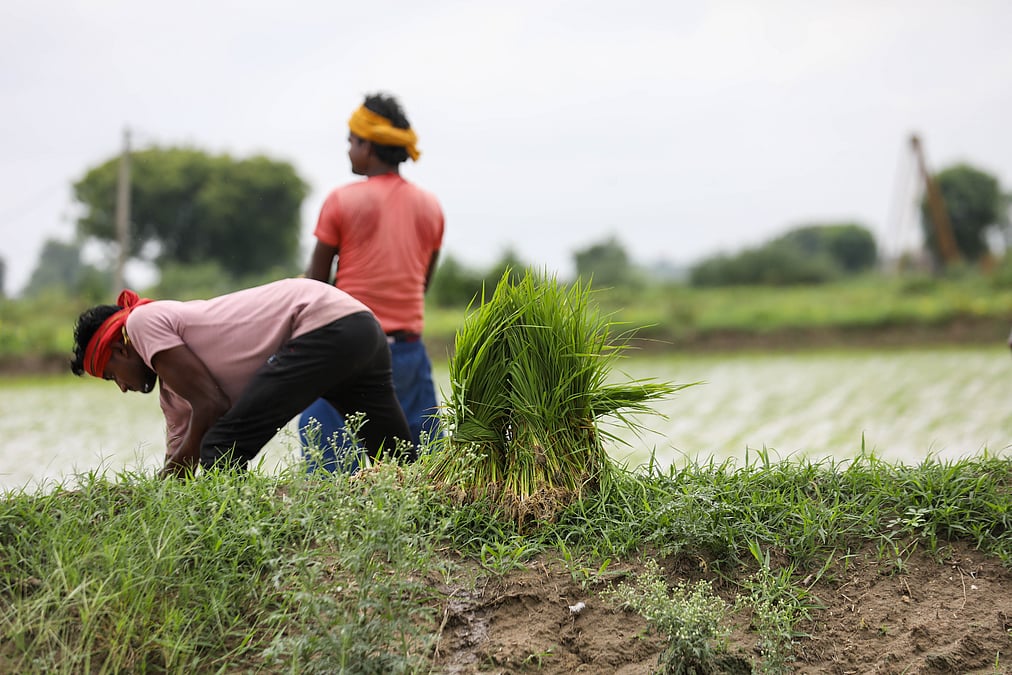
For the farming community, the primary concern now shifts to the health of the standing kharif crops. Excessive water stagnation in fields can lead to immediate root rot and the leaching of essential nutrients from the topsoil. Crops that are in their sensitive growth stages are particularly susceptible to the mechanical damage caused by high-velocity runoff and prolonged waterlogging. Agronomists warn that if the floodwaters do not recede rapidly, the risk of fungal outbreaks and soil-borne diseases will increase significantly, necessitating intensive remedial measures once the weather clears.
The economic toll is compounded by the inability to conduct routine field maintenance. Farmers are currently unable to apply fertilizers or protective sprays, potentially leaving crops vulnerable to opportunistic pests that thrive in humid, post-flood conditions. As the region remains on high alert, the focus remains on immediate disaster mitigation, but the agricultural sector is already bracing for the fiscal impact of yield reductions and the added costs of recovery once the monsoon activity stabilizes.
What This Means for Farmers
The immediate priority for farmers in flood-affected regions must be the safety of livestock and the protection of stored inputs, such as fertilizers and seeds, which should be moved to elevated, dry storage areas immediately. To mitigate the long-term impact of this deluge, farmers should consider the following practical steps:
- Implement Drainage Channels: Once the water begins to recede, prioritize the digging of temporary drainage trenches to facilitate the rapid removal of stagnant water from fields, which is vital to preventing root asphyxiation.
- Monitor for Disease: Be vigilant for signs of fungal infections or localized rot. Consult with local agricultural extension officers regarding the application of prophylactic fungicides as soon as field access permits.
- Nutrient Management: Expect soil nutrient leaching. Once the ground is firm enough to walk on, conduct a rapid soil assessment to determine if supplemental fertilization is required to address the loss of nitrogen and other mobile nutrients washed away by the floods.
- Document Losses: Meticulously document all crop damage, infrastructure loss, and livestock issues. Maintaining photographic evidence and detailed records will be essential for filing insurance claims or accessing potential government disaster relief packages.
- Market Coordination: Stay in close contact with local cooperative societies and market committees regarding road access updates to identify the earliest possible windows for transporting salvaged produce to avoid further spoilage.