Severe Weather Disrupts Agriculture and Infrastructure Across Gujarat
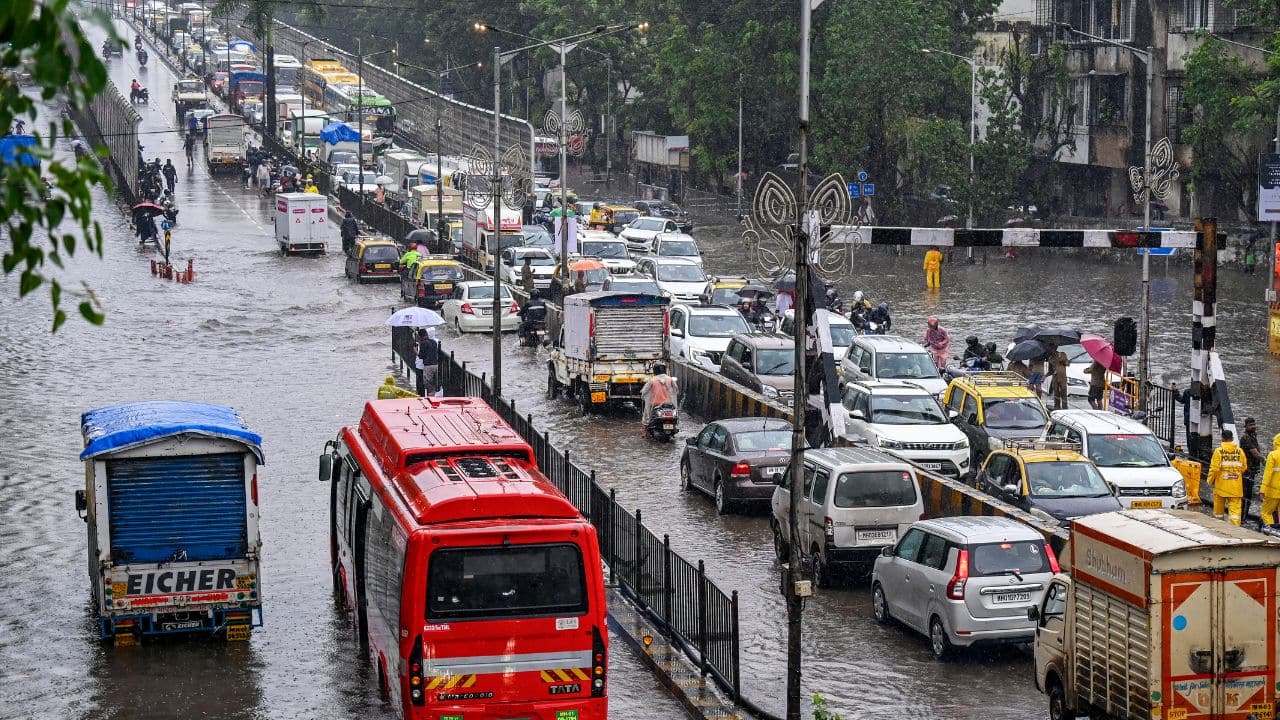
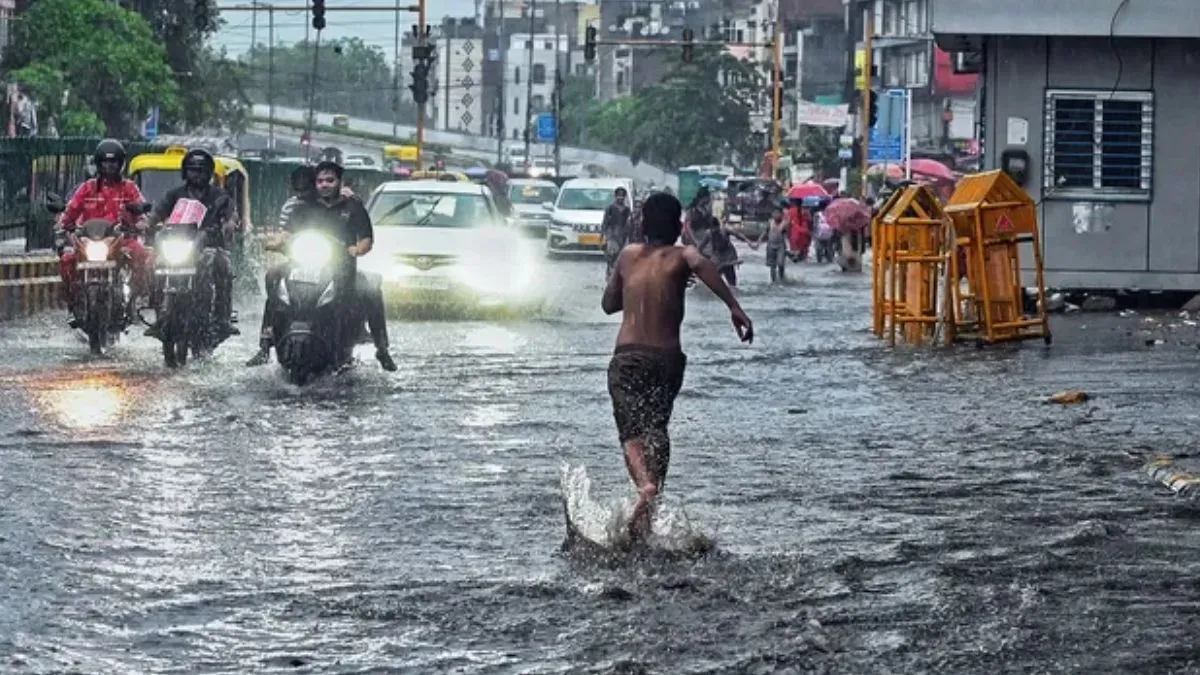
The southern and central regions of Gujarat are currently grappling with a severe meteorological crisis as relentless, heavy rainfall has triggered widespread flooding, paralyzing local infrastructure and disrupting agricultural activities. The torrential downpour has overwhelmed drainage systems and breached natural water bodies, forcing authorities to launch large-scale emergency response missions. As of the latest reports, local administrations and disaster management teams have successfully evacuated over 5,100 people from low-lying areas and inundated farmland, prioritizing the safety of vulnerable populations and livestock.
Infrastructure Strain and the Challenge of Waterlogging
The current deluge has caused significant logistical bottlenecks, with major transport corridors and rural access roads remaining submerged or blocked by debris. For the agricultural sector, the primary concern remains the prolonged waterlogging of fields, which threatens the integrity of standing crops. In many parts of South and Central Gujarat, the soil profile has reached its maximum saturation capacity, leading to surface runoff that carries away essential topsoil and nutrients.
The impact is not limited to immediate crop damage; the infrastructure required to move inputs and produce—such as rural bridges and arterial road networks—has suffered structural strain. This isolation complicates the delivery of emergency supplies and essential veterinary services for livestock trapped in flooded pastures. Agricultural experts note that the intensity of this weather event has exceeded the drainage capacity of many farm-level irrigation networks, leaving large tracts of land vulnerable to root rot and other moisture-related pathologies.
Agronomic Implications and Long-Term Recovery
As the floodwaters begin to recede in some areas, the focus of the agricultural community is shifting toward damage assessment and soil management. The primary concern for farmers in these regions is the potential for nitrogen leaching and the suffocation of root systems in high-value crops. When soil remains saturated for extended periods, the lack of oxygen in the root zone can lead to rapid wilting and the onset of fungal infections, which may significantly reduce yield potential for the current cycle.
Furthermore, the physical deposition of silt and debris on fields requires significant labor and mechanical intervention to clear before future planting or harvesting operations can resume. The economic impact is compounded by the loss of stored fodder and the risk of waterborne diseases affecting livestock, which are often relocated to temporary highland shelters. The resilience of the local farming community is currently being tested as they await the stabilization of weather patterns to begin the arduous process of field reclamation.
What This Means for Farmers
For farmers operating in the affected districts, the immediate priority is the safety of life and property. However, once the immediate threat of flooding subsides, the following steps are essential to mitigate long-term losses:
- Drainage Management: As soon as it is safe to enter fields, create temporary drainage channels to facilitate the rapid removal of standing water. Reducing the duration of waterlogging is the single most effective way to save surviving crops.
- Disease Surveillance: Monitor crops closely for signs of fungal blight or bacterial infections, which thrive in high-humidity, post-flood environments. Consult with local agricultural extension officers regarding the appropriate application of fungicides or nutrient foliar sprays once the soil dries.
- Soil Health Assessment: Expect nutrient leaching, particularly of nitrogen-based fertilizers. Once fields are dry, soil testing will be necessary to determine the extent of nutrient loss and to calibrate future fertilizer applications to avoid wastage.
- Livestock Protection: Prioritize the health of livestock by ensuring they are kept in dry, well-ventilated areas. Monitor for foot rot and other skin conditions caused by prolonged exposure to wet conditions, and ensure that fodder supplies are protected from contamination and dampness.
- Documentation for Assistance: Maintain detailed records, including photographs of damaged crops, destroyed infrastructure, and input losses. These documents will be vital for any potential insurance claims or government disaster relief compensation programs that may be announced in the coming weeks.
While the immediate focus remains on rescue and safety, the agricultural community must prepare for a challenging recovery period. Coordination with local cooperatives and disaster management authorities will be critical in ensuring that recovery efforts are systematic and effective.