Severe Monsoon Weather Disrupts Critical Mumbai-Ahmedabad Rail Corridor
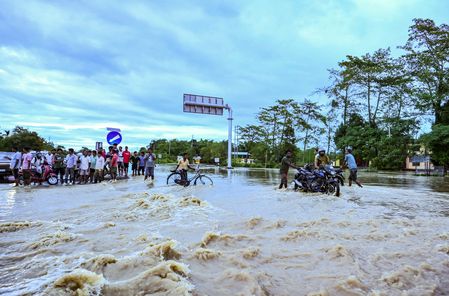
The vital transport artery connecting India’s financial capital, Mumbai, and the industrial hub of Ahmedabad has faced significant operational paralysis following extreme monsoon rainfall. Western Railway authorities announced a suspension of rail services on Thursday after water levels at a critical railway bridge—situated between the Gholvad and Umargam Road stations—surpassed safety thresholds. The rising floodwaters, triggered by unrelenting downpours across the coastal belt, have forced a complete reassessment of safety protocols for the region’s transit infrastructure.
The disruption marks a significant bottleneck for the movement of both passengers and freight, highlighting the vulnerability of critical logistics networks to extreme weather events. As regional authorities work to monitor the structural integrity of bridge foundations and track beds, the suspension of services serves as a stark reminder of the challenges posed by high-intensity monsoon cycles on the western coastline.
Infrastructure Vulnerability and Safety Protocols
Railway safety standards dictate that operations must be halted immediately when water levels breach the "danger level" markers on bridge piers. This precautionary measure is essential to prevent potential derailments, as saturated soil and high-velocity currents can undermine the stability of track foundations. The section between Gholvad and Umargam Road is located in a low-lying geography particularly prone to rapid inundation during peak monsoon months.
Engineering teams from Western Railway are currently on standby, waiting for water levels to recede before conducting a formal safety inspection of the tracks and ballast. The current suspension is not merely a matter of track visibility; it involves the comprehensive assessment of track alignment and soil stability. Until the water retreats and engineers certify that the bridge structure has not been compromised by debris impact or scouring, the movement of long-distance trains remains hazardous.
Broader Logistical and Economic Implications
The Mumbai-Ahmedabad corridor is one of the most heavily utilized routes in the Indian rail network, serving as a lifeline for perishable goods, raw materials, and manufactured products. When these arteries are severed, the ripple effects are felt across the regional economy. Beyond the immediate inconvenience to commuters, the stoppage impacts supply chain continuity for industries that rely on "just-in-time" delivery models. Agri-logistics, in particular, face challenges as delays in transit can jeopardize the quality of fresh produce moving from rural markets to urban consumption centers.
The uncertainty surrounding the resumption of services forces logistics providers to divert traffic to road networks. However, severe flooding often affects secondary and tertiary roads as well, leading to increased transit times and higher fuel costs. For large-scale distributors, this creates a volatile environment where inventory management becomes increasingly difficult, often resulting in temporary shortages or price fluctuations for goods entering the Mumbai market from Gujarat’s agricultural heartlands.
What This Means for Farmers
For the agricultural sector, the suspension of rail services on this critical route presents several immediate and long-term challenges:
- Perishable Goods Risk: Farmers and wholesalers relying on rail transport for time-sensitive crops—such as vegetables, dairy, and fruits—face the highest risk of post-harvest loss. With rail services halted, produce may remain stuck in transit or at loading docks, leading to significant spoilage and financial loss.
- Market Price Volatility: When supply chains are disrupted, urban market arrivals drop, often causing a spike in retail prices. Conversely, farmers at the source may see a temporary glut if they cannot move their harvest, potentially depressing farm-gate prices in the short term.
- Input Delivery Delays: The disruption is not limited to outbound produce. Farmers awaiting the delivery of essential inputs, such as specialized fertilizers, pesticides, or machinery components arriving via rail, may experience delays that could interfere with critical window-based agricultural tasks.
- Actionable Advice: Producers are advised to maintain close communication with logistics partners and local cooperative aggregators to assess the feasibility of alternative transport routes. During peak monsoon periods, it is prudent to prioritize the storage of non-perishables and, where possible, utilize cold-chain facilities to extend the shelf-life of products currently stalled in the supply chain. Monitoring regional weather alerts and railway status updates via official channels is essential for timely decision-making regarding harvest timing and shipment scheduling.