Heavy Rainfall Disrupts Rail Connectivity on Critical Mumbai-Gujarat Corridor
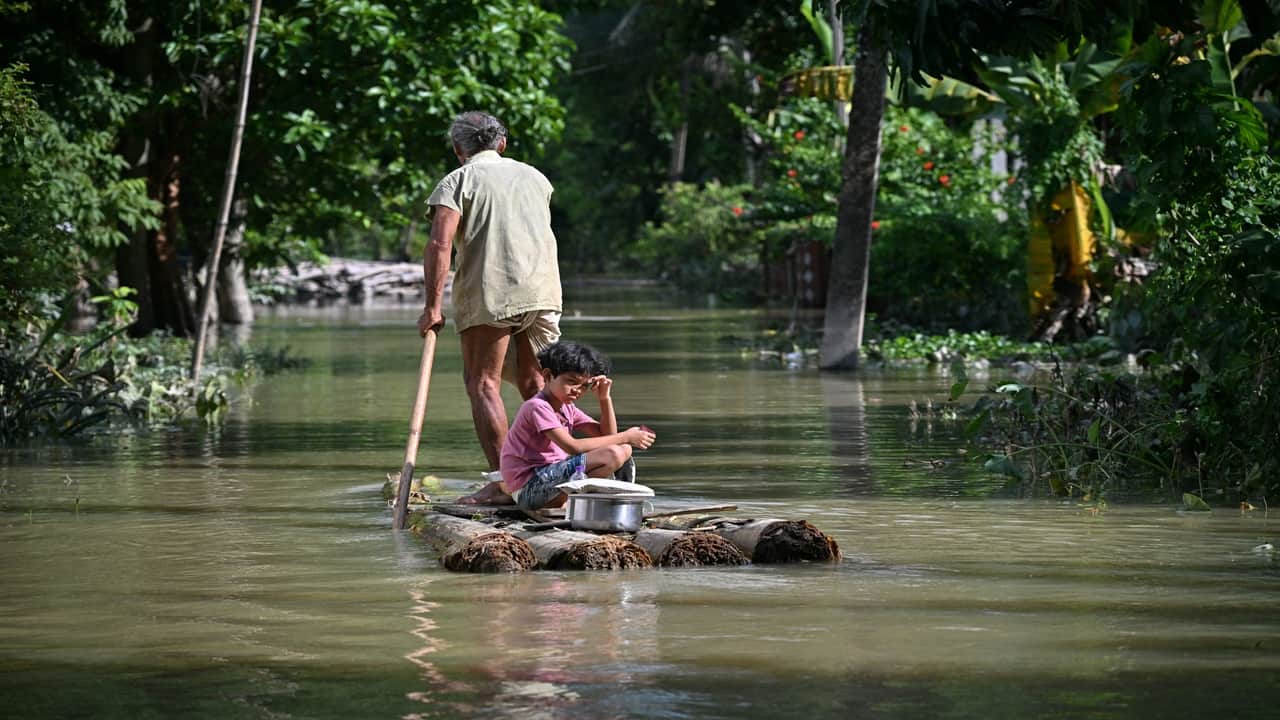
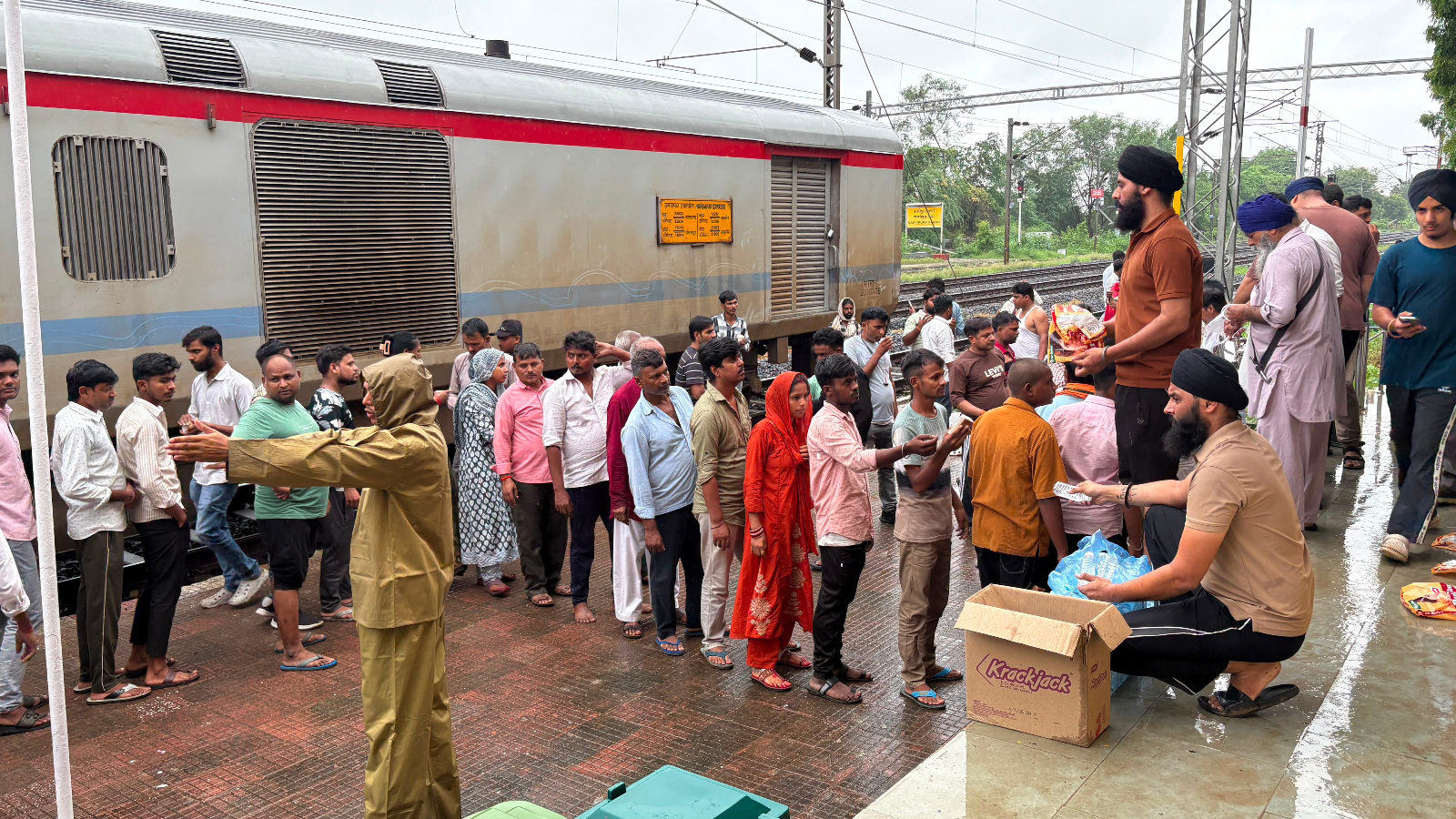
Severe weather conditions have brought rail traffic to a standstill along one of India’s most vital economic arteries. Persistent, heavy rainfall across the South Gujarat region has led to significant waterlogging on the tracks between Surat and Valsad, forcing the Western Railway to halt the movement of several long-distance trains. The disruption has impacted high-profile services, including the Vande Bharat Express and the Rajdhani Express, leaving thousands of passengers stranded and creating a ripple effect across the national rail network.
The Western Railway authorities confirmed that the accumulation of water on the tracks necessitated the suspension of operations as a precautionary measure to ensure passenger safety. Engineering teams have been deployed to monitor the situation, but the relentless precipitation has hampered efforts to restore normalcy. With the tracks submerged in key low-lying sections, railway officials have been forced to regulate or terminate several services prematurely, leading to significant delays and cancellations that are expected to persist until the weather clears and the water recedes.
Infrastructure Vulnerability and Operational Challenges
The Mumbai-Gujarat route serves as a lifeline for both passenger transit and the movement of essential goods. The current disruption highlights the ongoing vulnerability of rail infrastructure to extreme meteorological events. In agricultural and commercial hubs like South Gujarat, heavy monsoon spells often result in rapid water runoff, which can quickly compromise the stability of ballast and track foundations. When water levels exceed the safety threshold, rail protocols mandate the halting of high-speed services like the Vande Bharat to prevent derailment risks and engine damage.
Beyond the immediate inconvenience to travelers, the suspension of these services creates a logistical bottleneck. The Western Railway corridor is frequently used for the transport of perishable agricultural produce and industrial raw materials between the manufacturing hubs of Gujarat and the financial capital of Mumbai. Prolonged track closures can lead to a backlog of freight trains, potentially delaying the delivery of time-sensitive commodities. As climate patterns become increasingly unpredictable, the incident underscores the growing pressure on transport authorities to bolster infrastructure resilience through improved drainage systems and elevated track engineering in flood-prone zones.
What This Means for Farmers
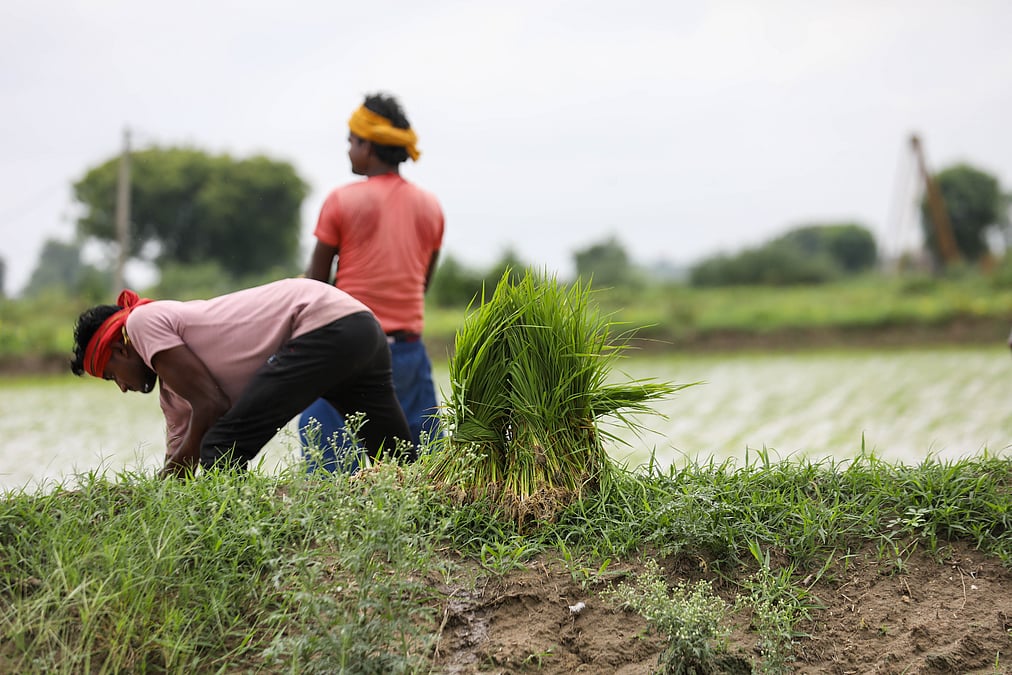
For the agricultural community, the suspension of rail services on the Mumbai-Gujarat corridor carries specific, immediate, and long-term economic implications. Farmers and agribusinesses relying on these routes for the supply chain should consider the following impacts:
- Disruption of Perishable Goods: Farmers dealing in fresh produce, dairy, and floriculture that utilize rail cold-chain logistics may face significant losses. The inability to move goods to the Mumbai wholesale markets on time can lead to spoilage, forcing producers to sell at lower prices in local markets or face total inventory loss.
- Input Supply Delays: The rail network is a primary conduit for the transport of agricultural inputs, including fertilizers and livestock feed, from industrial hubs to rural cooperatives. A breakdown in rail connectivity often forces logistics providers to switch to road transport, which is frequently more expensive and currently hindered by the same flooding conditions affecting the highways, further driving up the landed cost of inputs.
- Market Volatility: When supply chains are choked, urban retail prices for vegetables and essential commodities typically spike. While this may seem beneficial to the producer, the farmer rarely captures this premium due to the logistical costs and the inability to move their harvest. Farmers are advised to maintain close communication with their logistics partners and explore alternative cold storage facilities to mitigate the impact of sudden transit delays.
- Logistical Planning: Moving forward, growers and supply chain managers are encouraged to diversify their transport strategies. Relying solely on a single rail corridor during peak monsoon months carries inherent risks. Building localized storage capacity and establishing relationships with regional distributors can provide a buffer against the volatility caused by infrastructure failures during extreme weather events.