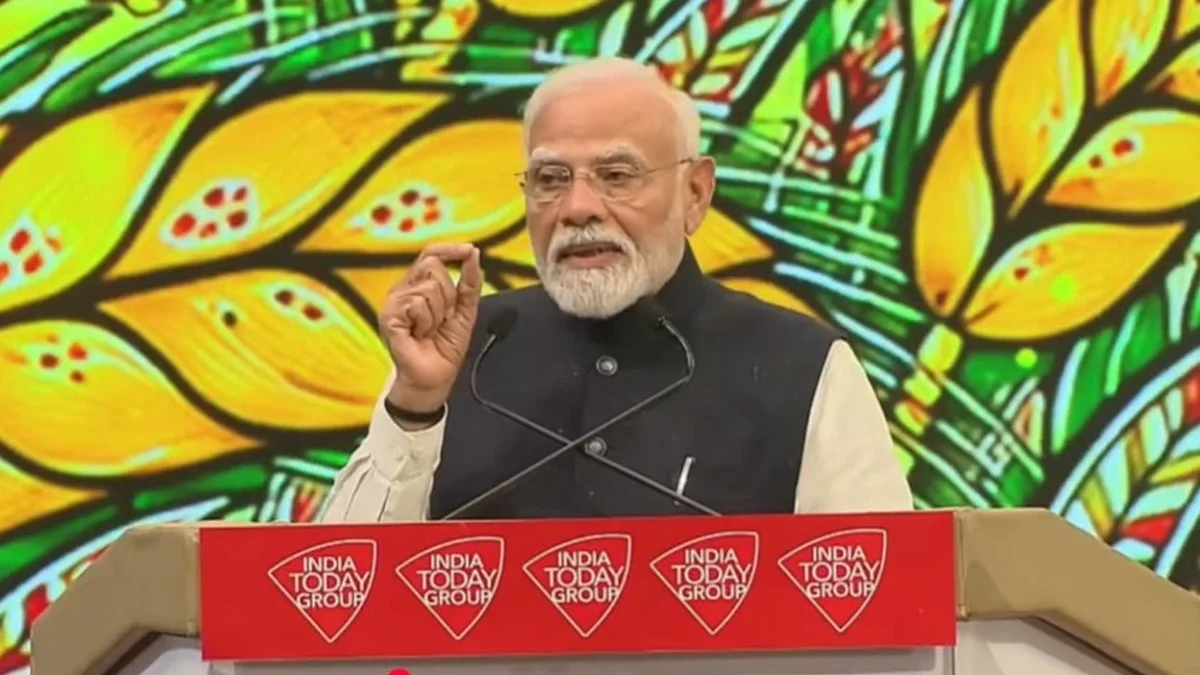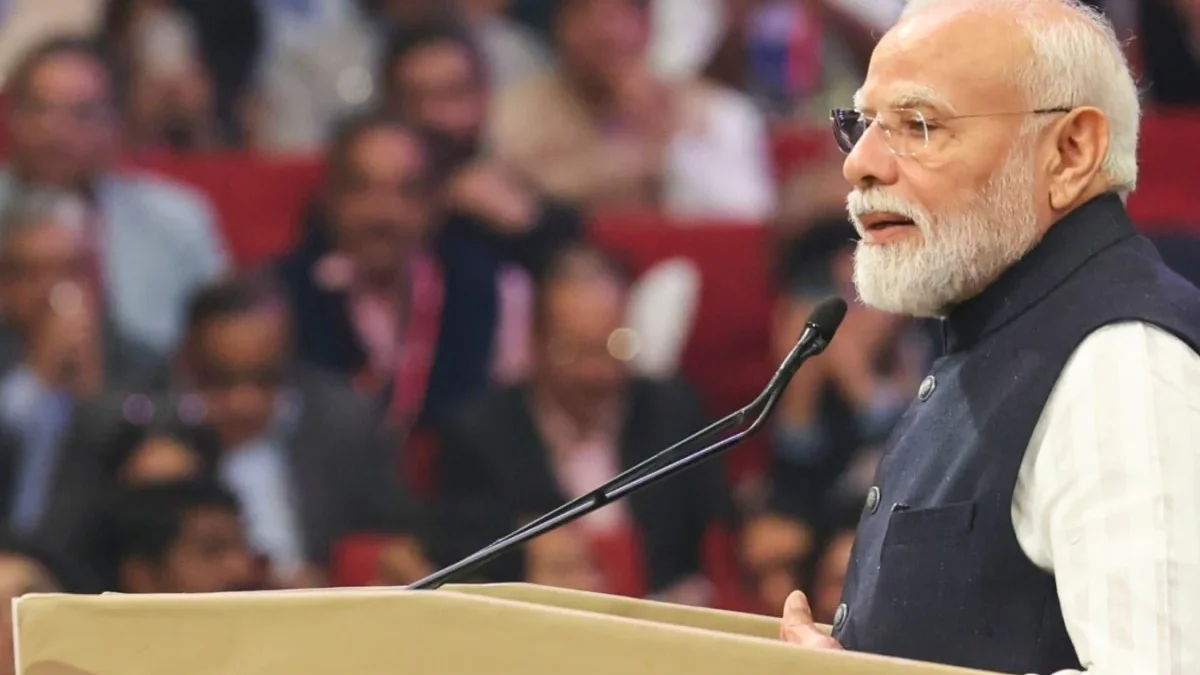
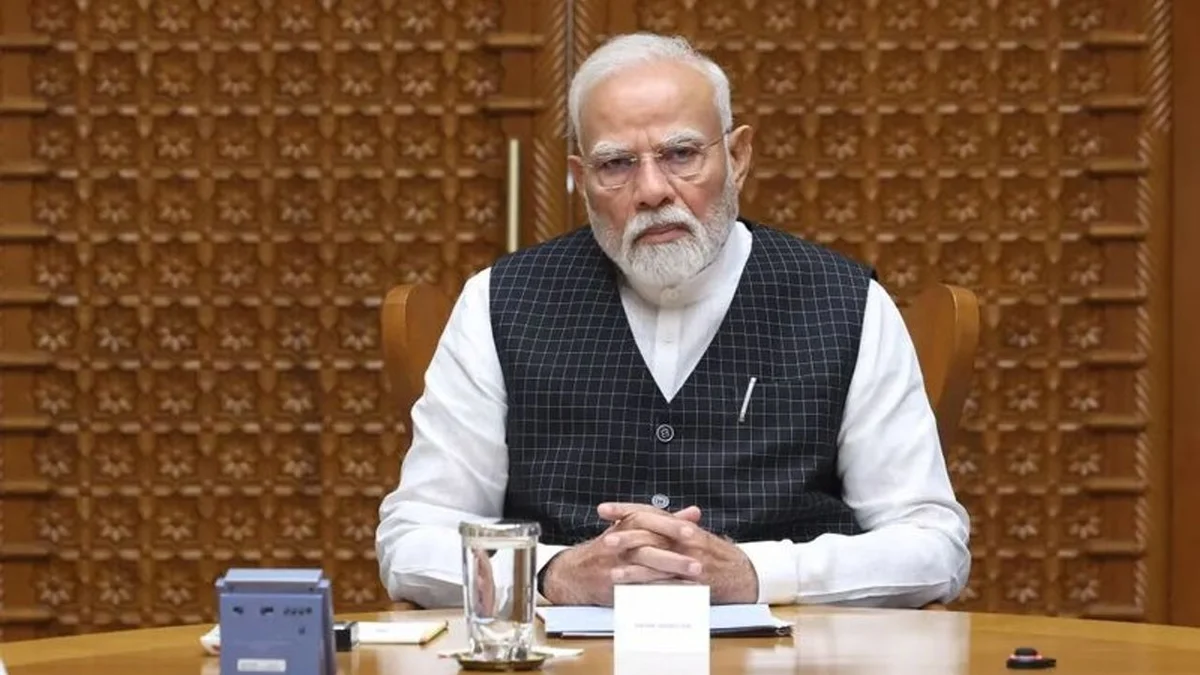
Prime Minister Narendra Modi has called for the widespread adoption of water-saving technologies and learning from global best practices to secure India's long-term water management needs. Addressing the valedictory session of the two-day National Departmental Summit on Water organized by the Ministry of Jal Shakti in New Delhi, the Prime Minister highlighted key measures ranging from utilizing treated wastewater in agriculture to organizing inter-state study tours for farmers.
Key Focus on Water-Saving Technologies and Agricultural Use
During the summit, the Prime Minister emphasized the necessity of dedicated exhibitions and workshops that expose stakeholders and Indian manufacturers to global best practices. This approach aims to help domestic industries develop and scale efficient, modern solutions for water management.
To tackle water scarcity effectively, PM Modi stressed the importance of anticipatory and integrated planning. He specifically highlighted the suitable utilization of treated water for both agriculture and industrial purposes, ensuring that freshwater reserves are preserved.
Inter-State Exposure and Study Visits for Farmers
Recognizing the role of grassroots stakeholders in water conservation, the Prime Minister proposed structured inter-state study visits. These visits would bring together public representatives, officials, and farmers to facilitate hands-on learning and replicate successful water interventions across different regions.
Drawing upon his experience as Chief Minister of Gujarat, PM Modi noted that water scarcity challenges can be transformed into opportunities through systematic planning, commitment, and the deployment of adequate resources and capable officers.
AI-Driven Data Governance and De-Silting Initiatives
The Prime Minister outlined several critical operational directives for states and departments:
- Artificial Intelligence in Water Governance: Implementation of AI for standardized water-sector data collection, systematic management, and actionable analysis.
- Standardized De-Silting: Making reservoir and water body de-silting a regular, institutionalized program governed by clear criteria and standard operating procedures (SOPs).
- Dam Safety and Monsoon Preparedness: Enforcing strict safety protocols, pre-monsoon preparedness drills, and incorporating water awareness into educational curricula.
- Public Participation (Jan Bhagidari): Organizing community-driven awareness initiatives such as 'Jal Utsav' to promote citizen-led conservation.
Key Outcomes Highlighted by Jal Shakti Ministry
Union Minister for Jal Shakti C. R. Patil outlined four major outcomes emerging from the national summit:
- Accelerated completion of ongoing water infrastructure projects.
- Strengthening water conservation as a sustained public movement.
- Ensuring the long-term sustainability of drinking-water sources.
- Institutionalizing effective operation and maintenance systems for rural drinking-water schemes.
The Prime Minister concluded by stating that actionable, time-bound points from the summit must be reviewed continuously rather than treating the conference as a one-time exercise.
Source: Greater Kashmir