Persistent Monsoon Systems Bring Continued Rainfall Risks to Gujarat
The agricultural landscape of Gujarat remains under significant pressure as meteorological forecasts indicate that a persistent monsoon system, currently centered over neighboring Rajasthan, is poised to deliver another round of heavy rainfall across the state. Despite hopes for a seasonal reprieve, the atmospheric conditions governing the region have remained stalled, creating a prolonged period of moisture influx that threatens to exacerbate existing challenges for farmers, infrastructure, and soil management systems.
The current weather pattern is characterized by a deep cyclonic circulation that has anchored itself over the Rajasthan region. This system is effectively drawing moisture-laden winds from the Arabian Sea, funneling them directly into Gujarat. For a state that has already experienced significant precipitation throughout the current monsoon season, this additional volume of rainfall poses a complex set of risks, particularly as drainage systems reach capacity and soil saturation levels hit critical thresholds.
Impact on Soil Health and Crop Resilience
The prolonged nature of this heavy rainfall presents a dual challenge for Gujarat’s agrarian economy. First, the saturation of topsoil leads to rapid nutrient leaching, particularly of nitrogen and potassium, which are essential for the vegetative growth phase of many of the state’s primary crops, including cotton and groundnut. When soil is perpetually waterlogged, the root zones of these plants are deprived of oxygen, leading to stunted growth, yellowing of leaves, and, in severe cases, the onset of fungal pathogens and root rot.
Furthermore, the physical impact of heavy downpours can lead to severe soil erosion, particularly in regions with uneven topography. The loss of nutrient-rich topsoil is a long-term economic blow to producers, as restoring soil fertility requires increased investment in fertilizers and soil amendments. Agronomists are particularly concerned about the susceptibility of standing crops to lodging—where stems bend or break due to excessive weight and wind—which can significantly diminish harvest quality and complicate mechanized harvesting operations later in the season.
Logistical and Market Disruptions
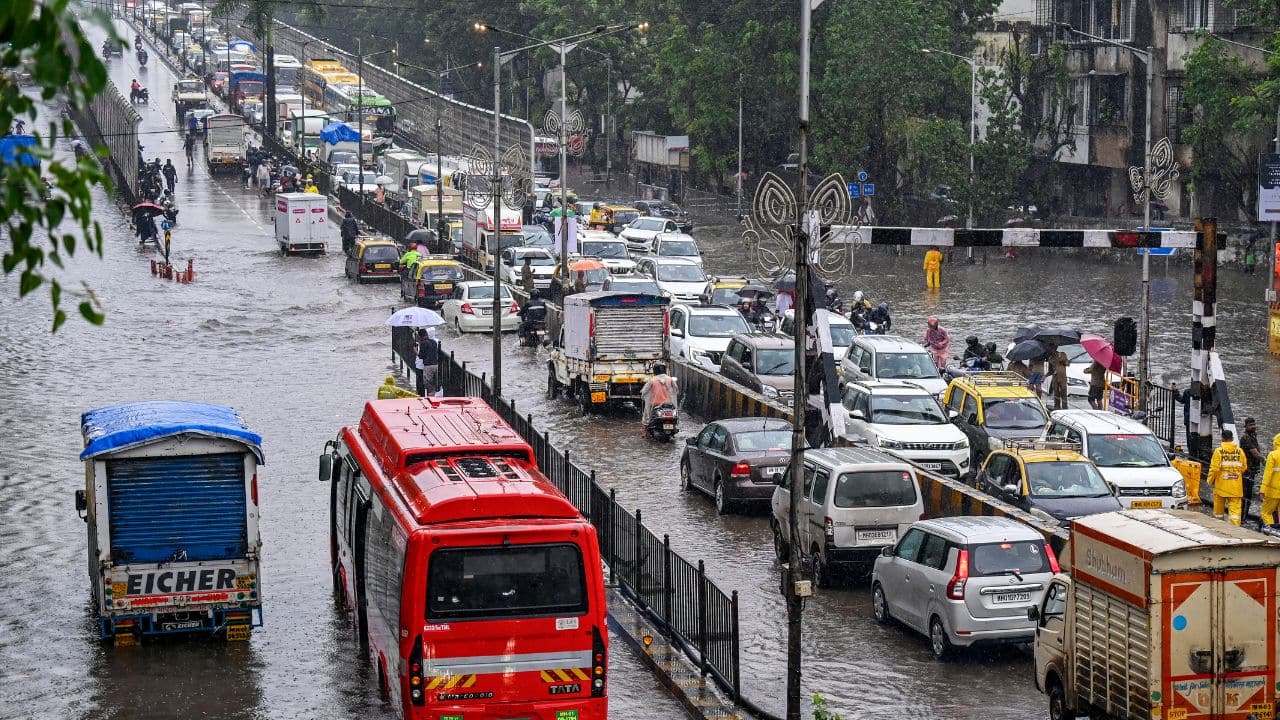
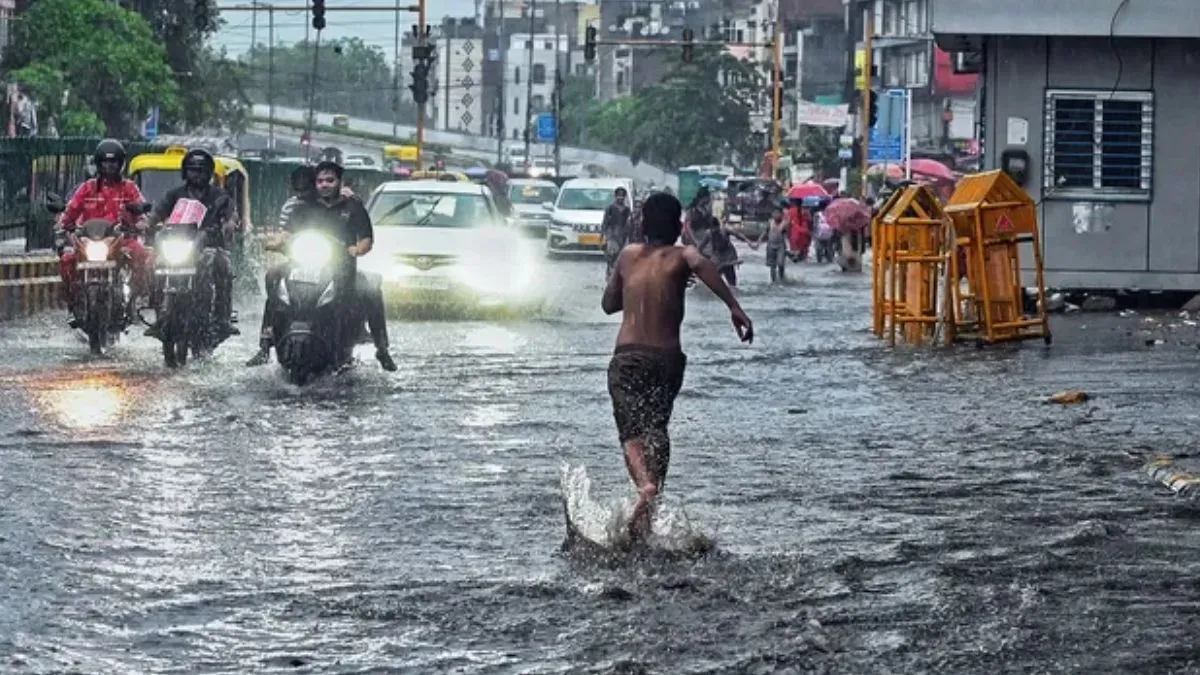
Beyond the immediate biological threats to crops, the persistent rainfall is causing significant disruptions to the agricultural supply chain. Rural infrastructure in many parts of Gujarat is being tested by the repeated inundation of roads and secondary transit routes. For farmers, this means that even if crops are ready for harvest or post-harvest processing, the ability to move produce to local markets (APMCs) or cold storage facilities is severely curtailed.
The economic impact of these delays is multifaceted. Perishable commodities are at high risk of spoilage if transport is stalled for extended periods. Additionally, the inability to move goods often leads to local market volatility, where supply bottlenecks create artificial shortages in one region while surplus produce goes to waste in another. Agricultural economists suggest that farmers should anticipate potential price fluctuations and logistical delays, necessitating a shift in how they manage their immediate post-harvest inventory until the weather stabilizes.
What This Means for Farmers
For the farming community in Gujarat, the current situation demands a proactive approach to mitigate potential losses. The following strategies are recommended to manage the risks associated with this ongoing monsoon system:
- Implement Enhanced Drainage: Farmers should prioritize the clearing of field channels and drainage ditches to ensure that excess water can move away from crop rows quickly. Preventing water stagnation is the single most effective way to reduce the risk of root rot and soil-borne diseases.
- Monitor for Pest and Disease Outbreaks: High humidity and persistent rain create the perfect environment for fungal infections and insect proliferation. Field scouting should be increased, and farmers should be prepared to apply prophylactic treatments if early signs of disease are detected, keeping in mind the need for rain-fast formulations.
- Adjust Fertilizer Schedules: Given the high likelihood of nutrient leaching due to excessive rain, farmers should consult with local extension services regarding the timing of split-dose fertilizer applications. Applying fertilizers just before heavy rain events should be avoided to prevent economic loss and environmental runoff.
- Prioritize Post-Harvest Storage: If harvesting is unavoidable during this wet spell, ensure that facilities for drying and moisture control are ready. Storing damp produce can lead to rapid fungal growth and mycotoxin contamination, which significantly lowers market value and can pose health risks.
- Stay Informed: Continue to monitor local weather bulletins and district-level agricultural advisories. These updates often provide site-specific warnings that can help in making timely decisions regarding irrigation management, harvest timing, and protective measures for livestock.
While the monsoon is a vital component of Gujarat’s agricultural cycle, the current intensity requires vigilance. By focusing on field drainage, crop health monitoring, and cautious logistics, farmers can better navigate the challenges posed by this stubborn weather system.