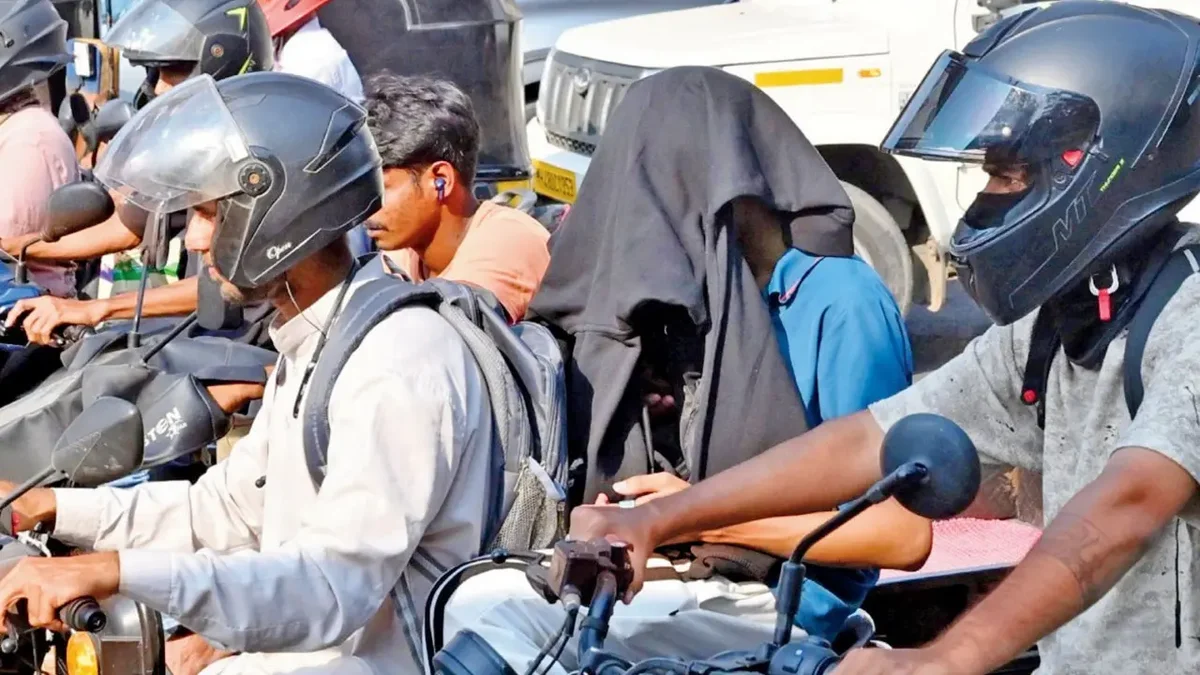
Mumbai has officially recorded the first heatwave of the post-monsoon season. According to the India Meteorological Department (IMD) Santacruz observatory, the city reached a maximum temperature of 37.8 degrees Celsius on Friday. This reading represents a significant departure of 4.7 degrees above normal, signaling an intense spell of heat following the recent withdrawal of the monsoon.
Meteorologists have identified an anticyclone positioned over Gujarat and North Maharashtra as the primary driver behind this sudden rise in temperatures. This weather system has altered typical post-monsoon conditions, leading to unusually high heat levels across the region. The humidity levels were recorded at 47 percent at 5:30 pm, adding to the discomfort caused by the soaring mercury.
The current heatwave follows the official declaration of monsoon withdrawal from Mumbai on October 3. By Thursday, the IMD confirmed the complete withdrawal of the monsoon from all remaining parts of Maharashtra and subsequently issued a heatwave alert for the city. This recent temperature spike is notable for its intensity; Thursday’s maximum temperature of 37.6 degrees Celsius was already considered the highest October reading in eight years, and Friday’s figures have now surpassed that benchmark.
Historically, such high temperatures in October are rare. In the past 15 years, the mercury has only crossed this specific mark twice: in 2018, when it reached 38 degrees Celsius, and in 2015, when it peaked at 38.6 degrees Celsius. The current situation highlights the significant deviation from standard seasonal weather patterns observed in the coastal city.
Mumbai heatwave: What This Means for Farmers
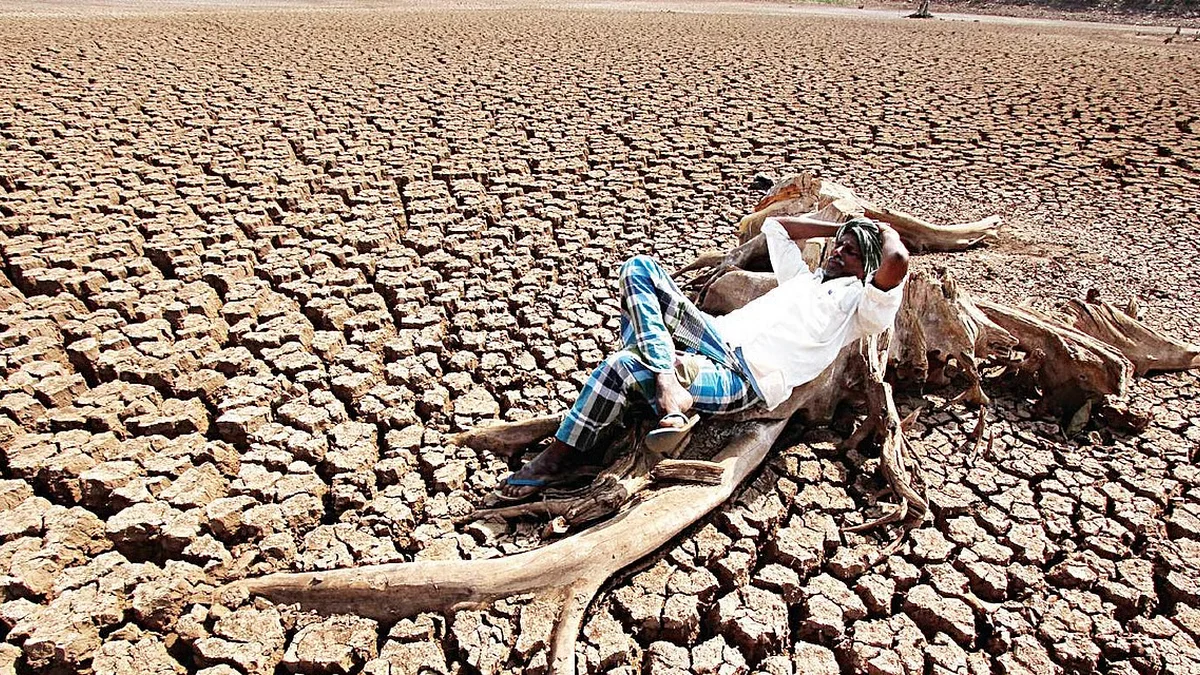
While the heatwave is centered in urban Mumbai, the influence of the anticyclone system over Gujarat and North Maharashtra has broader implications for the agricultural landscape in these neighboring regions. Farmers should be aware of the following factors:
- Increased Evapotranspiration: The high temperatures and dry conditions associated with an anticyclone can rapidly increase soil moisture loss. Farmers with standing crops in North Maharashtra and Gujarat should monitor soil moisture levels closely to determine if supplemental irrigation is necessary to prevent heat stress in crops.
- Crop Protection: Prolonged exposure to temperatures significantly above seasonal averages can impact the physiological development of sensitive crops. Managing field activities during the cooler parts of the day is advisable where possible.
- Regional Weather Monitoring: Since the anticyclone is affecting a wide area, farmers in the surrounding districts of North Maharashtra and Gujarat should stay updated with local IMD weather bulletins. Rapid changes in atmospheric pressure and temperature can influence local wind patterns and potential pest activity, which often thrive in specific heat-humidity combinations.
The persistence of this anticyclone will determine the duration of the current hot spell. Farmers are encouraged to rely on official meteorological updates to plan their field operations effectively during this period of unusual post-monsoon heat.
Source: Mid-day