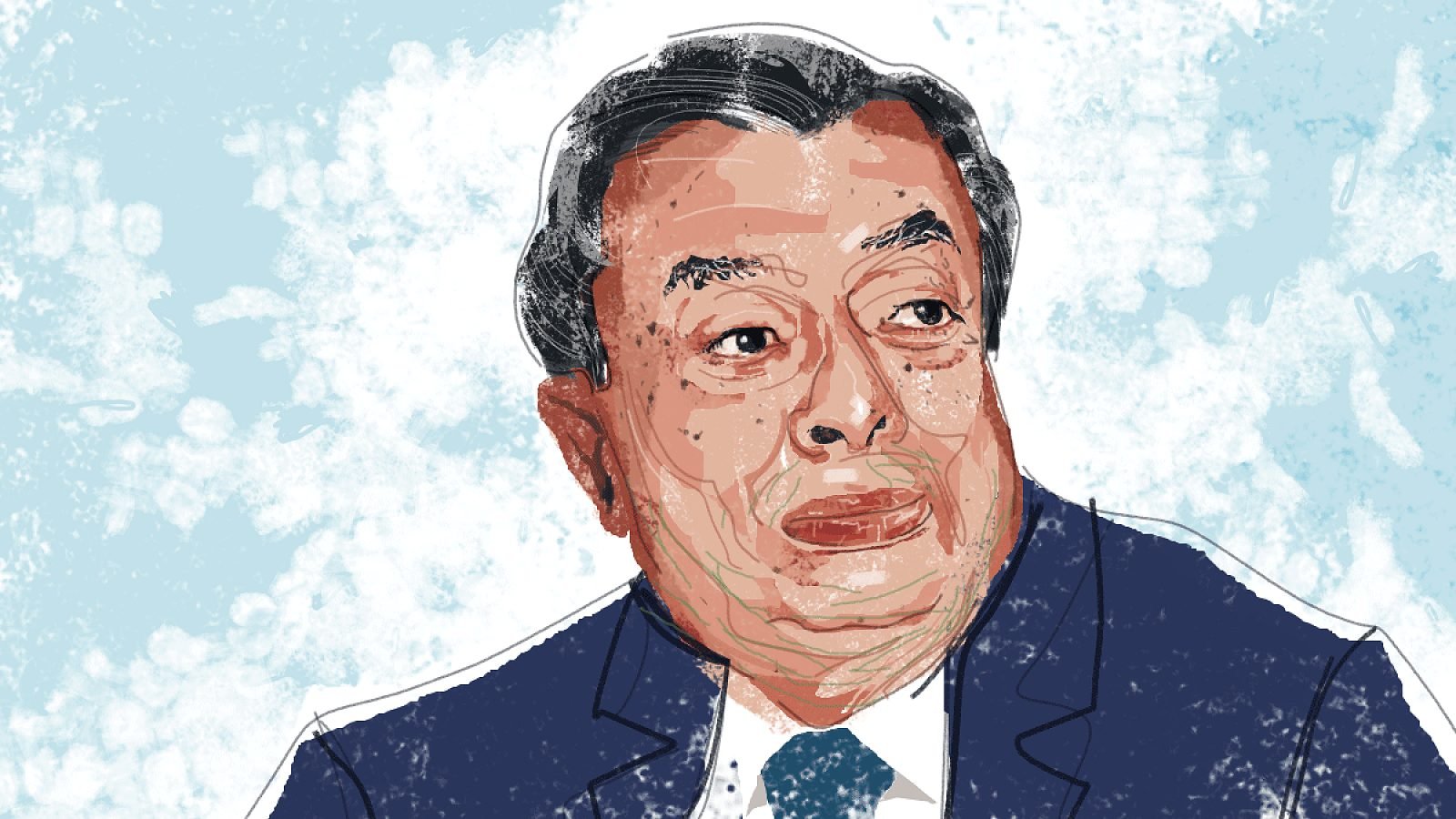
The Architect of White Revolution: Unpacking the Friction Between Varghese Kurien and the Political Establishment
The legacy of Dr. Varghese Kurien, the visionary engineer behind India’s "White Revolution," is often celebrated through the lens of milk cooperatives and the transformation of the dairy sector. However, beneath the veneer of national pride and rural prosperity lay a deeply contentious relationship between Kurien and the bureaucratic and political establishment of his time. A recent reflection on his tenure, highlighted during a commemorative function in Anand, served as a stark reminder of the fundamental ideological clashes that defined his career.
The event, attended by a constellation of state ministers and the Chief Minister, provided a backdrop for revisiting the often-combative stance Kurien took against the administrative machinery. Known for his uncompromising commitment to farmer-led autonomy, Kurien frequently found himself at odds with those who favored centralized government control. His vocal criticism of the administrative class was not merely a personal outburst but a reflection of his belief that the traditional bureaucratic structure was fundamentally ill-equipped—and often antithetical—to the needs of a decentralized cooperative movement.
The Clash of Philosophies: Professionalism vs. Bureaucratic Control
At the heart of the tension between Kurien and the political class was a profound disagreement over who should hold the reins of agricultural development. Kurien’s model, famously epitomized by the success of Amul, was predicated on the idea that farmers should be the masters of their own destiny, with professional management acting as their servants. This bottom-up approach stood in direct opposition to the prevailing colonial-era administrative mindset, which preferred a top-down, state-led interventionist strategy.
The "IAS lobby," as Kurien famously dubbed them, represented the institutional inertia that he felt was stifling the potential of the dairy sector. During the Anand gathering, observers noted that the memory of his blunt rhetoric—specifically his characterization of the administrative bureaucracy as "termites" eating away at the foundations of the cooperative movement—still resonates as a symbol of his defiance. To Kurien, the bureaucratic interference was not just a hurdle; it was an existential threat to the democratic nature of cooperatives. He argued that when civil servants, often lacking domain expertise in agriculture or dairy technology, were placed in decision-making roles within cooperative boards, they inevitably prioritized political expediency over the economic viability of the farmers.
Defending the Autonomy of the Cooperative Model
The friction was exacerbated by the sheer scale of the success that Kurien’s model achieved. As the cooperative movement grew, it gained significant financial and social capital, making it an attractive target for political influence. Ministers, eager to demonstrate control over large rural constituencies, often attempted to integrate these autonomous institutions into the state’s political apparatus. Kurien, however, fiercely guarded the independence of the organizations he helped build.
His uncompromising stance created a paradoxical situation: while the government relied on Kurien’s brilliance to solve national food security crises, many within the political and administrative corridors resented his refusal to bow to their authority. His willingness to speak truth to power—even in the presence of high-ranking officials—was a hallmark of his career. By labeling the bureaucratic interference as parasitic, he forced a national conversation on whether agricultural policy should be dictated by civil servants in capital cities or by the primary producers in the villages.
What This Means for Farmers
The ongoing relevance of the Kurien-bureaucracy divide provides critical insights for the modern agricultural sector. For farmers, the primary takeaway is the persistent necessity of institutional independence. The historical tension serves as a cautionary tale: when cooperatives, producer organizations, or agricultural boards become too closely aligned with political or bureaucratic mandates, their primary mission—the welfare of the farmer—often becomes secondary.
Actionable advice for current agricultural stakeholders includes:
- Prioritizing Professional Management: Farmers should advocate for boards and oversight committees that are staffed by domain experts—agronomists, economists, and supply chain specialists—rather than political appointees.
- Maintaining Financial Autonomy: The ability to self-fund and retain control over capital is the strongest defense against external interference. Maintaining transparency in cooperative financials is the best safeguard against bureaucratic encroachment.
- Strengthening Democratic Participation: The strength of a cooperative lies in the active participation of its members. When farmers are disengaged, it creates a power vacuum that is inevitably filled by administrative or political entities.
- Vigilance Against Regulatory Overreach: Farmers and their representative organizations must remain vigilant regarding policy changes that seek to centralize control. Advocacy should focus on decentralization, ensuring that decision-making power remains as close to the farm gate as possible.
Ultimately, Kurien’s legacy is not just one of milk production; it is a blueprint for the empowerment of producers. His blunt assessment of the "termites" within the system remains a stark reminder that the autonomy of the farmer is not a gift granted by the state, but a right that must be continuously defended against the encroachment of centralized authority.