Monsoon Rainfall Deficit Narrows as Kharif Sowing Rebounds
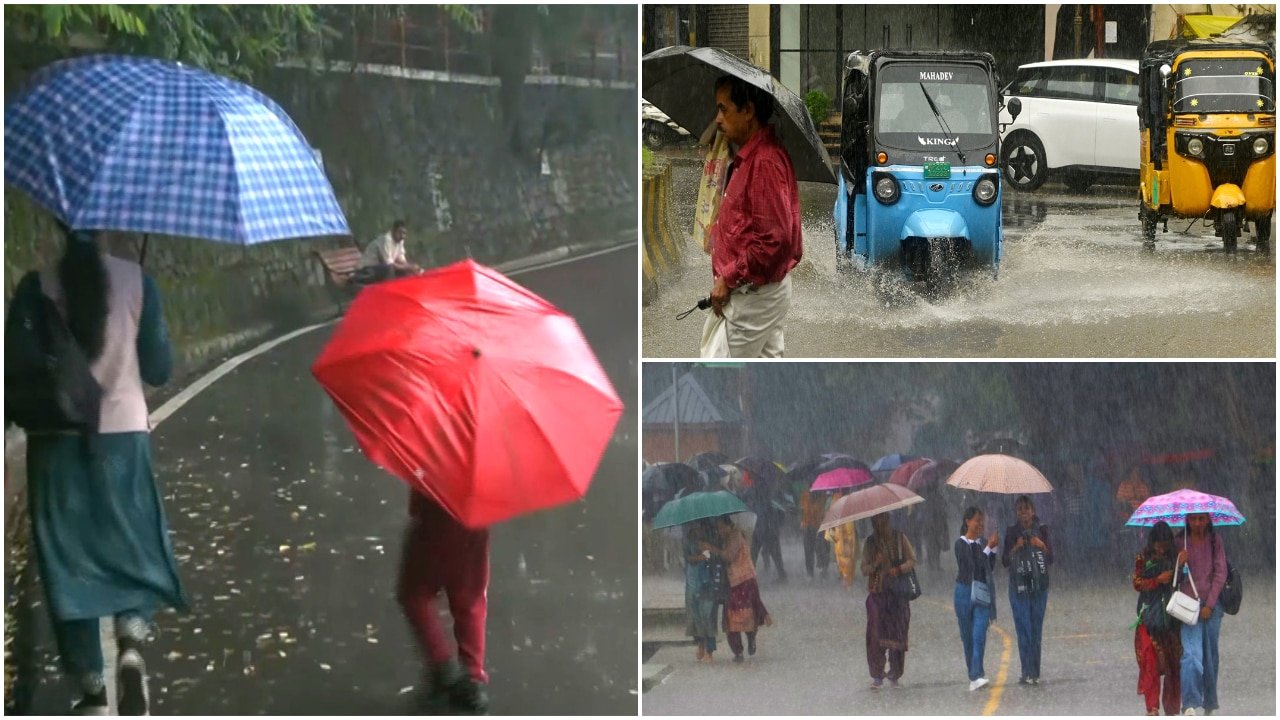
Recent data indicates a significant improvement in India's monsoon performance, with the cumulative rainfall deficit narrowing considerably over the past two months. According to reports from NDTV, the country has seen a marked shift from an initial rainfall shortfall to a more stable precipitation pattern, which has directly influenced agricultural activities across the nation.
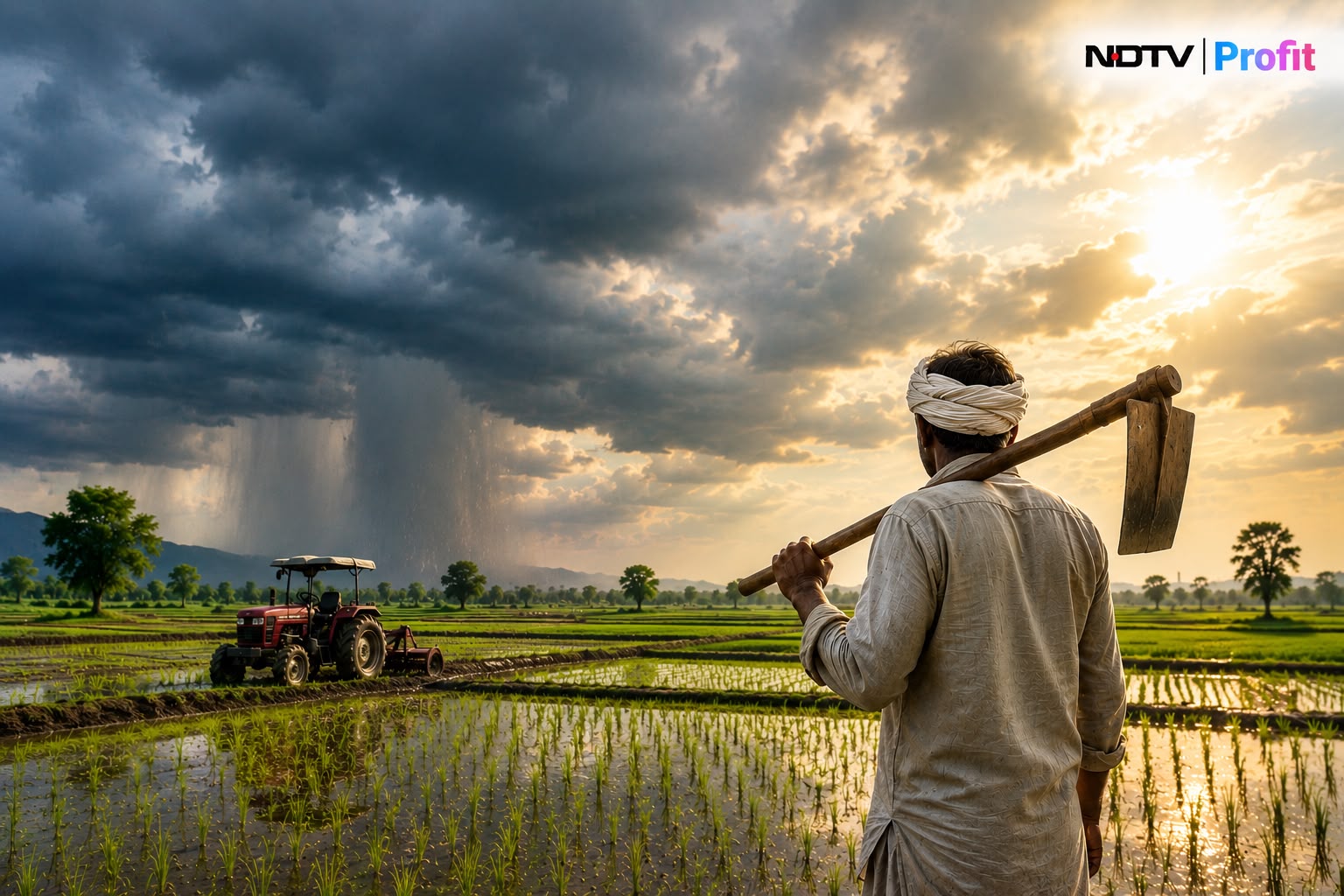
The improvement in weather conditions has provided a much-needed boost to the Kharif sowing season. After experiencing a slow start, the planting of crops during this season has shown a substantial recovery, aligning with the improved rainfall distribution.
Significant Reduction in Rainfall Deficit
The monsoon season, which is critical for agricultural output, began with a notable lack of rainfall. However, meteorological data highlights a sharp correction in these figures throughout the summer months:
- June 16: The cumulative rainfall deficit stood at a concerning 35%.
- August 19: The deficit narrowed significantly to 12.6%.
This narrowing of the deficit represents a positive trend for water availability, which is essential for sustaining the crops planted during the Kharif season—the primary agricultural cycle that relies heavily on monsoon rains.
Recovery in Kharif Sowing Activities
The Kharif season, which typically begins with the arrival of the monsoon in June, involves the cultivation of crops such as rice, maize, and pulses. These crops require substantial water during their initial growth stages.
According to the report, the earlier weak start to the season had raised concerns regarding potential delays in planting. However, the subsequent increase in rainfall has allowed for a considerable recovery in sowing activities. This rebound suggests that the initial lag has been mitigated by the late-season surge in precipitation, stabilizing the outlook for the current agricultural cycle.
Market Outlook and Crop Risk Assessment
The improved weather patterns have influenced broader economic perspectives regarding agricultural stability. Macquarie, in its assessment of the situation, has indicated that the risks to crop production appear to be limited at this stage.
By closely monitoring the relationship between rainfall data and sowing progress, analysts suggest that the agricultural sector is better positioned than it was in mid-June. The current data points to a recovery that balances out the earlier dry spells, providing a more optimistic outlook for the remainder of the monsoon period.
As the monsoon progresses, the agricultural sector continues to track these developments, as consistent rainfall remains the primary driver for a successful harvest and the overall health of the rural economy.