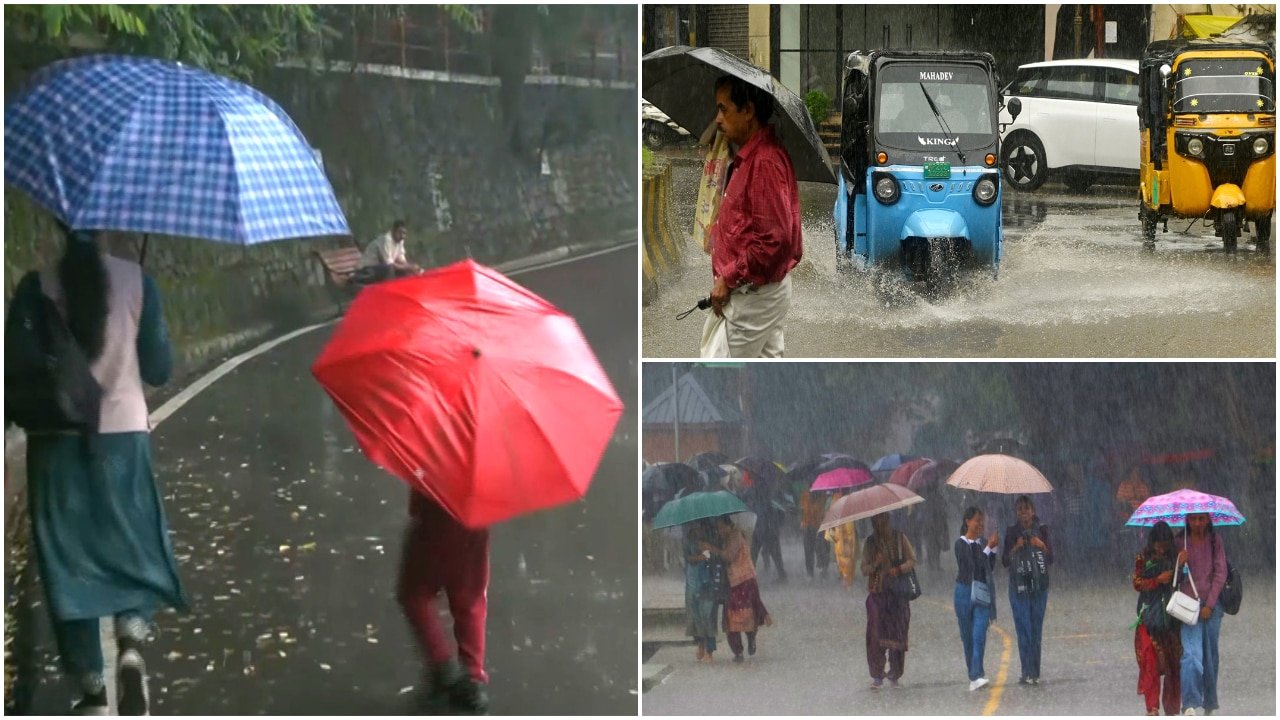
Monsoon Momentum Accelerates: Widespread Precipitation Sweeps Across India
The Indian monsoon continues to demonstrate remarkable intensity as the seasonal weather system maintains its aggressive trajectory across the subcontinent. Meteorological data from Friday indicates a broad, synchronized rainfall pattern, with particularly heavy precipitation concentrating over the western state of Gujarat. This sustained moisture influx is providing a critical lifeline to the country’s agricultural heartlands, as the monsoon front continues to defy early-season projections of a sluggish advancement.
Across the nation, the distribution of rainfall has been remarkably uniform, spanning from the northern plains to the southern peninsular regions. While localized variations remain inherent to the monsoon’s chaotic nature, the current synoptic conditions suggest a strong, active phase. For the agrarian community, this consistent rainfall represents a significant departure from the localized drought stress experienced in previous cycles, fostering an environment conducive to widespread sowing operations and the replenishment of vital hydrological reservoirs.
Gujarat at the Epicenter: Managing Excessive Inflow
The most significant meteorological activity on Friday was observed over Gujarat, where heavy showers have prompted authorities to monitor for potential waterlogging in low-lying agricultural zones. While the influx of moisture is generally welcomed to combat depleted soil moisture profiles, the intensity of the recent downpours requires careful field management. In regions where the monsoon has been particularly relentless, the primary concern for farmers shifts from irrigation availability to soil saturation management and drainage infrastructure.
Agronomists suggest that while the current rainfall is essential for the kharif crop cycle, the concentration of heavy showers necessitates proactive measures to prevent nutrient leaching. Excessive water can lead to the rapid runoff of nitrogen-based fertilizers, potentially impacting crop health during the critical vegetative growth stages. Farmers in affected districts are being encouraged to assess their field drainage pathways to ensure that standing water does not compromise root health or lead to the onset of moisture-related fungal pathogens.
Regional Implications and National Crop Prospects
Beyond Gujarat, the nationwide spread of rain on Friday serves as a positive indicator for the broader kharif sowing window. Across central and northern India, the moisture has been instrumental in bridging the gap for crops that were previously under heat stress. The synchronization of these rains allows for a more uniform germination period, which is a critical factor in ensuring consistent harvest timelines later in the year.
Market analysts are keeping a close watch on these developments, as the health of the monsoon is directly correlated with food price stability and export viability. With the monsoon demonstrating such sustained vigor, the outlook for primary commodities—including oilseeds, pulses, and cereals—remains optimistic. However, the agricultural sector remains cognizant of the thin line between beneficial replenishment and crop-damaging excess, emphasizing the need for regional weather monitoring and adaptive farming practices as the season progresses.
What This Means for Farmers
For the farming community, the current weather pattern serves as both a boon and a mandate for vigilance. The primary takeaway is that while the monsoon is effectively securing the water supply for the upcoming harvest, the intensity of the rains requires immediate tactical adjustments:
- Drainage and Soil Health: In areas experiencing heavy precipitation, prioritize the maintenance of field drainage channels. Ensuring that excess water can exit the field efficiently is paramount to preventing root rot and soil crusting.
- Nutrient Management: Given the risk of nutrient leaching from heavy rainfall, consider split-application strategies for fertilizers. Applying nutrients in smaller, more frequent doses can help ensure they are absorbed by the crop rather than washed away by surface runoff.
- Pest and Disease Monitoring: High humidity and persistent moisture create ideal conditions for fungal infections and certain insect populations. Farmers should increase the frequency of field scouting to identify early signs of blight, rust, or pest infestations that thrive in wet environments.
- Strategic Sowing: For those who have not yet completed their sowing, utilize the current soil moisture to establish strong crop stands. However, avoid planting in fields that are currently waterlogged, as poor aeration can lead to seed decay before germination occurs.
- Economic Planning: Keep a close eye on local weather alerts and agricultural extension services. As the monsoon continues, the economic outlook for crop yields remains strong, provided that farmers can mitigate the risks associated with extreme, localized weather events.