
Monsoon Onslaught Triggers Regional Disparity Across Saurashtra
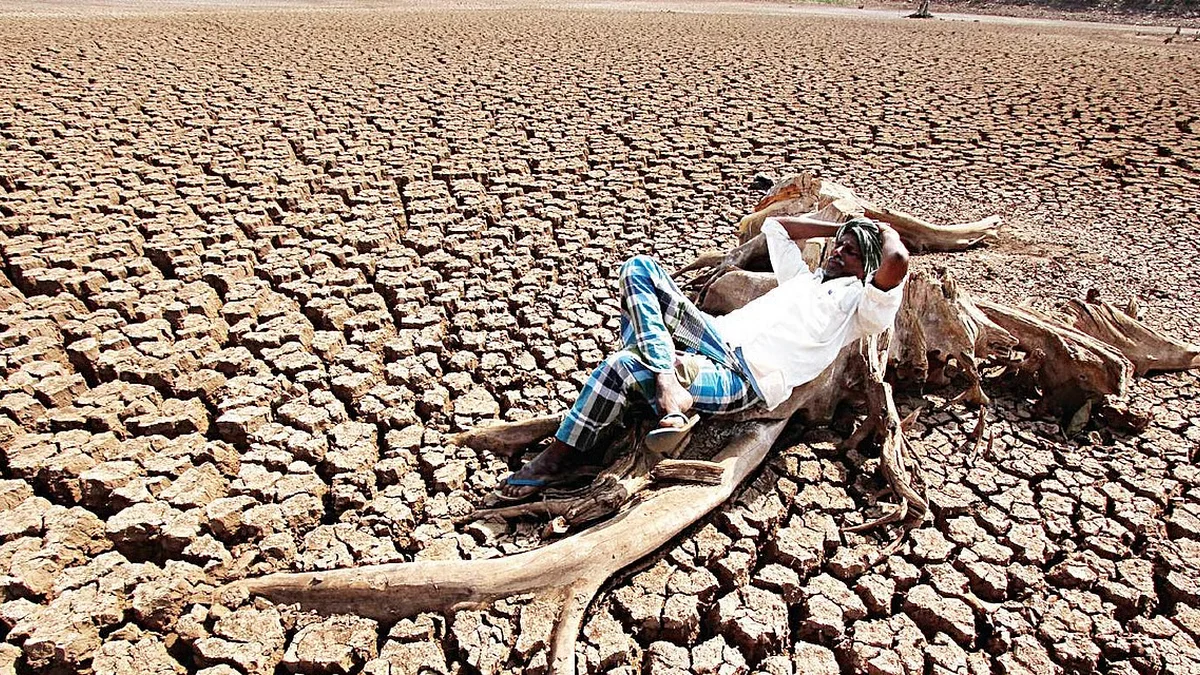
The monsoon season has officially arrived in the Saurashtra region of Gujarat, bringing a dramatic and uneven start to the agricultural calendar. While the initial showers have provided much-needed relief to parched fields in urban centers like Rajkot, the intensity of the downpour has transformed into a natural disaster in neighboring districts. The onset of the monsoon, characterized by heavy, sustained rainfall, has resulted in widespread disruption, significant infrastructure damage, and, tragically, the loss of two lives in the Amreli district.
Meteorological reports indicate that the region is experiencing a vigorous surge in moisture-laden winds, leading to localized cloudburst-like conditions. While the Rajkot district has largely managed the influx of water with minor instances of urban waterlogging, the topography and drainage capacity of Amreli have been overwhelmed by the sheer volume of rainfall. This stark contrast highlights the volatility of the current monsoon patterns, which are increasingly prone to high-intensity, short-duration events that pose significant challenges to rural landscape management.
Infrastructure Collapse and Rural Isolation
The heavy rainfall has caused severe strain on the regional infrastructure, particularly affecting transportation networks that are vital for the movement of agricultural produce and inputs. In Amreli, several key highways have been rendered impassable due to rising water levels and debris carried by flash floods. The inundation of low-lying areas has effectively isolated several villages, complicating emergency response efforts and hindering the delivery of essential supplies.
Local authorities have been working around the clock to clear road blockages and manage the flow of floodwaters. However, the saturation of the soil has raised concerns regarding the structural integrity of rural embankments and smaller irrigation channels. The rapid rise in water levels has not only flooded residential areas but has also submerged vast tracts of agricultural land, leaving standing crops vulnerable to waterlogging and nutrient leaching. As district officials conduct damage assessments, the primary focus remains on restoring connectivity and ensuring the safety of inhabitants in flood-prone zones.
The Impact on Agricultural Stability
For the farming community, the arrival of the monsoon is a double-edged sword. While the rainfall is essential for the kharif sowing season, the intensity witnessed over the past few days threatens to undo months of preparation. The saturation of fields limits the window for planting and can lead to seed rotting if the soil does not drain effectively. Furthermore, the physical damage to farm infrastructure—such as fencing, irrigation pumps, and storage sheds—adds an immediate financial burden to producers who are already navigating volatile market conditions.
The agriculture department has advised farmers to remain vigilant as the monsoon progresses. Soil erosion is a significant concern in areas with undulating terrain, and the threat of fungal diseases in waterlogged crops is high. Extension services are currently emphasizing the need for effective drainage management to minimize the long-term impact on crop yields, as the current moisture levels may be excessive for newly germinated seeds.
What This Means for Farmers
The current situation in Saurashtra serves as a critical reminder of the importance of climate-resilient farming practices. For farmers navigating these early-season floods, the following considerations are essential:
- Prioritize Drainage: Ensure that field drainage channels are clear of debris to prevent prolonged waterlogging, which is the leading cause of root rot and crop failure following heavy rains.
- Monitor Soil Health: Excessive rainfall can cause significant nutrient leaching. Once the ground dries sufficiently, farmers should consult with local agricultural extension offices regarding appropriate top-dressing or micro-nutrient applications to restore soil fertility.
- Infrastructure Maintenance: Inspect irrigation equipment and storage facilities for flood damage. Addressing minor repairs now can prevent more costly mechanical failures during the peak growing season.
- Crop Insurance Documentation: In the event of significant crop loss, farmers are urged to document damage immediately. Photographic evidence and communication with local agricultural offices are vital for processing potential insurance claims or government relief packages.
- Future Planning: Given the increasing frequency of extreme weather events, farmers should evaluate the viability of flood-tolerant crop varieties and consider investing in land leveling or improved drainage infrastructure to mitigate the impact of future downpours.
As the monsoon continues to move across the state, the focus must shift from initial recovery to proactive management. The agricultural sector in Saurashtra remains resilient, but the current challenges underscore the need for adaptive strategies that can withstand the increasingly unpredictable nature of regional rainfall.
Source: The Times Of India