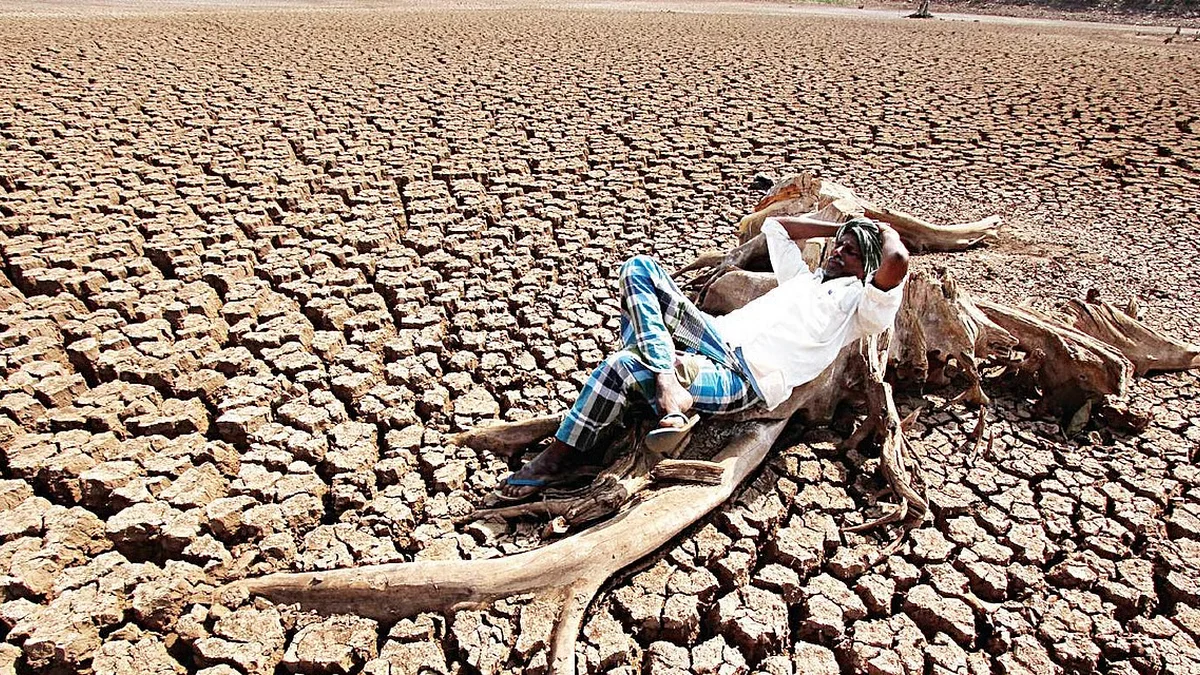

The southwest monsoon is steadily retreating across India, marking the beginning of a complex weather transition phase. While the IMD confirms that rainfall activity is declining in several central and western states, the country is experiencing sharply contrasting weather patterns, ranging from warm, humid afternoons in the northern plains to active, rain-bearing systems in the southern peninsula.
The India Meteorological Department (IMD) has issued alerts regarding potential thunderstorms, lightning, and strong winds in various regions. These conditions, which can include wind speeds reaching 50 to 60 kmph, are expected even as the monsoon withdraws. These shifts in weather, while typical for this time of year, introduce new challenges for agricultural management as the country moves toward the post-monsoon season.
monsoon withdrawal: Regional Weather Variations
Northern India is currently experiencing a noticeable change as night temperatures begin to drop. Himalayan regions, including Uttarakhand, Himachal Pradesh, and Jammu and Kashmir, are already seeing cooler conditions, with some higher elevations experiencing snowfall. In contrast, Delhi-NCR, Uttar Pradesh, and Bihar continue to face warm and humid afternoons, often reaching temperatures between 32 and 35 degrees Celsius, while nights are becoming more comfortable.
In southern India, the situation remains different. States such as Kerala, Andhra Pradesh, and Tamil Nadu continue to see active rainfall due to weather systems over the Bay of Bengal. Meanwhile, states like Rajasthan, Madhya Pradesh, Maharashtra, and Chhattisgarh have moved into a post-monsoon phase where rainfall is significantly reduced, though clear skies can still lead to warm daytime conditions.
What This Means for Farmers
The current weather transition has direct implications for agricultural activities across the country. As the monsoon retreats, farmers should be aware of several factors:
- Crop Protection: Localised thunderstorms and strong winds can damage standing crops. Farmers in affected areas should monitor local IMD warnings closely to prepare for sudden weather changes.
- Harvesting and Post-Harvest Operations: For regions where harvesting is underway, isolated bursts of rain or sudden storms can impact crop quality and storage. It is essential to track regional forecasts rather than relying on state-level averages.
- Flood-Related Risks: In river-adjacent areas of Bihar and Uttar Pradesh, the decline in rainfall does not immediately end flood risks. Accumulated water and discharge from upstream areas remain a concern for low-lying fields.
- Mountainous Hazards: Farmers and those transporting produce in Himalayan regions should remain alert to secondary hazards like landslides and road blockages caused by recent rains, which can disrupt market access.
The transition is expected to be gradual. While northern plains may start feeling more comfortable by the middle of October, daytime temperatures are likely to remain elevated for some time. Farmers are advised to coordinate their field activities with local administrative and meteorological updates to mitigate risks associated with this dynamic weather pattern.
Source: Dynamite News