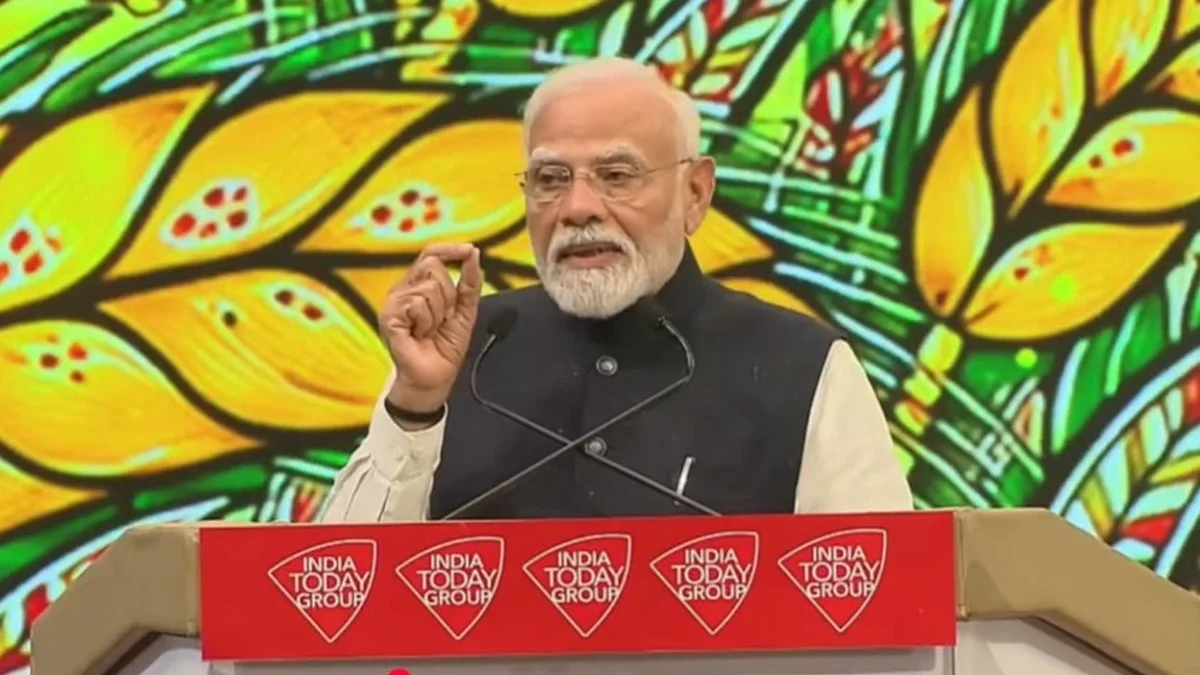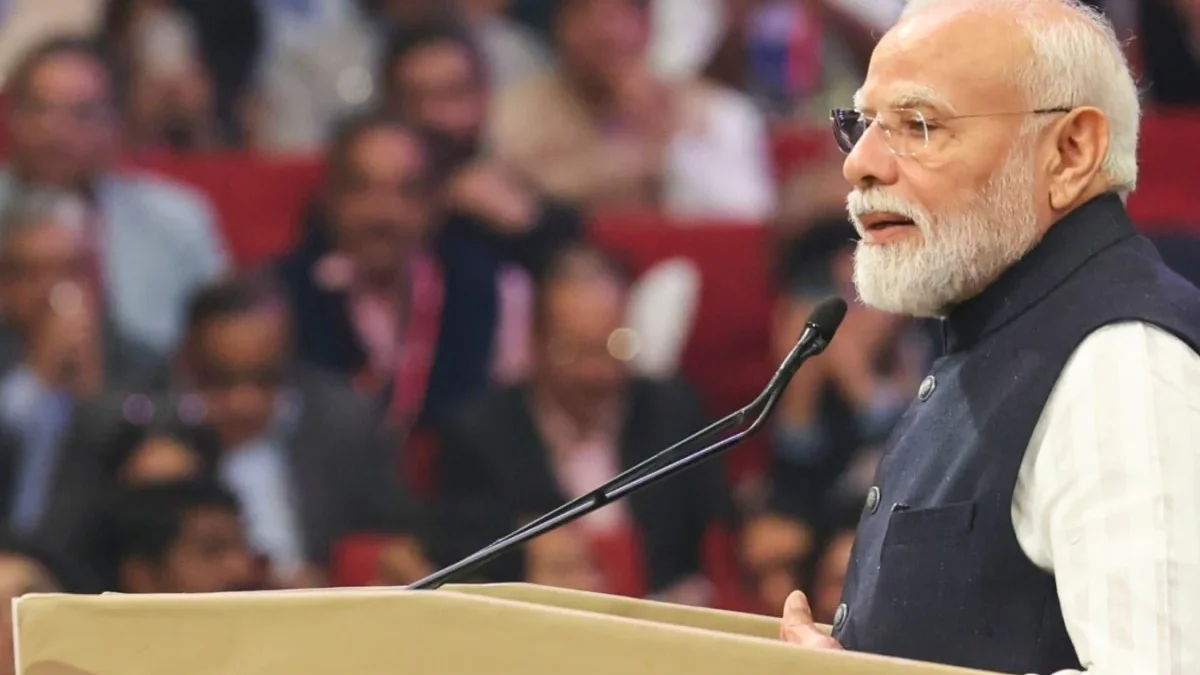

Prime Minister Narendra Modi, while addressing a gathering in Bhildi, Banaskantha district of Gujarat, highlighted the government's efforts to protect Indian farmers from the volatility of global fertiliser prices. He stated that despite significant surges in the cost of chemicals and finished fertilisers due to international conflicts, the government has ensured that these additional costs were not passed on to the farming community.
During the event, the Prime Minister formally released the 24th instalment of the Pradhan Mantri Kisan Samman Nidhi (PM-Kisan) scheme. This release involved the direct transfer of over Rs 18,000 crore into the bank accounts of approximately 10 crore eligible farmers across the country.
Highlighting the scale of support, the Prime Minister noted that while a bag of urea can cost up to Rs 3,000 in the global market, Indian farmers continue to receive it for less than Rs 300. Similarly, he pointed out that the price of diammonium phosphate (DAP) has crossed Rs 5,000 per bag globally, yet it remains available to Indian farmers at Rs 1,350. He asserted that the government has spent approximately Rs 16 lakh crore to maintain these subsidised rates and shield cultivators from rising input costs.
The event also served as a platform to review the impact of various agricultural welfare initiatives. The Prime Minister claimed that through five major government schemes, farmers have collectively received or saved an amount equivalent to Rs 50 lakh crore in recent years. He specifically mentioned that under the Pradhan Mantri Fasal Bima Yojana, farmers have received over Rs 2 lakh crore in compensation over the last decade, and wheat and paddy growers have benefited from Rs 24 lakh crore through Minimum Support Price (MSP) operations over the past 12 years.
fertiliser price: What This Means for Farmers
The government's commitment to absorbing global price fluctuations provides several direct implications for farmers' operational costs and financial stability:
- Stable Input Costs: By maintaining urea at under Rs 300 per bag and DAP at Rs 1,350 per bag, the government aims to prevent the disruption of agricultural cycles that could result from sudden, high-cost spikes in fertiliser prices.
- Direct Income Support: The release of the 24th PM-Kisan instalment ensures continued liquidity for small and marginal farmers, with the government reporting that Rs 4.5 lakh crore has been transferred under this scheme since its inception in 2019.
- Reduced Operational Expenses: The Prime Minister also highlighted the role of the PM-KUSUM scheme, noting that the installation of nearly 12 lakh solar-powered water pumps has helped farmers reduce their dependency on diesel, thereby lowering irrigation costs and contributing to local power generation.
These measures are presented as part of a broader strategy to ensure the availability of essential agricultural inputs, such as fertilisers and energy, regardless of global supply chain pressures caused by regional conflicts.
Source: Deccan Chronicle