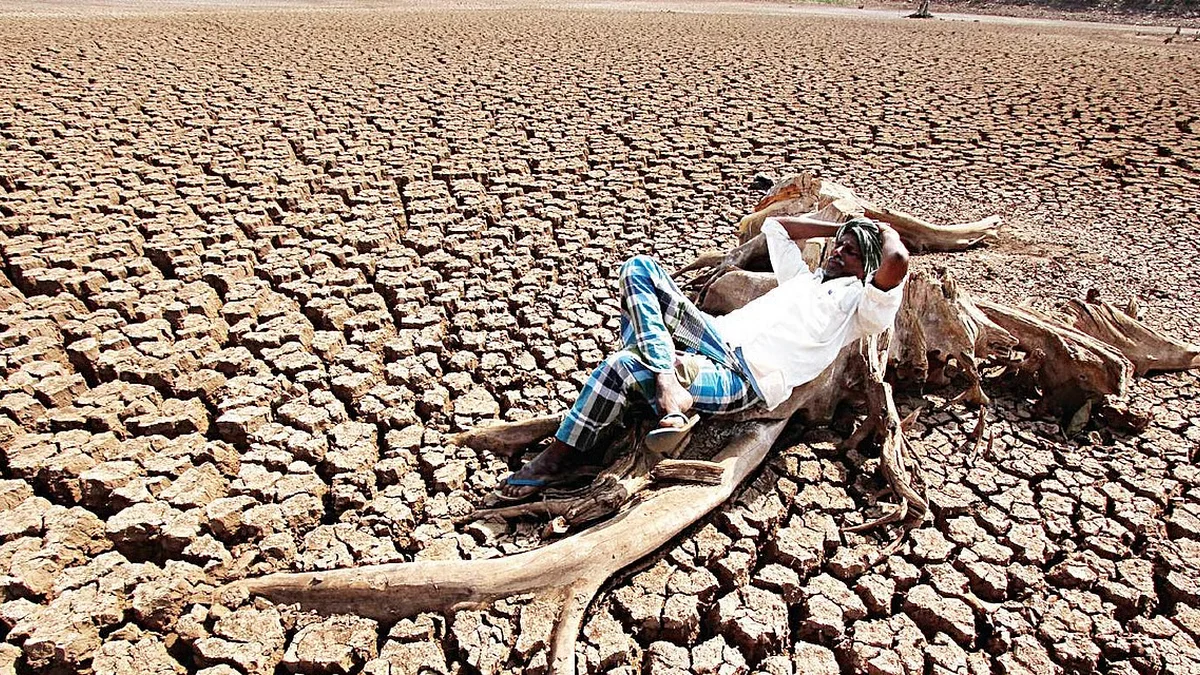
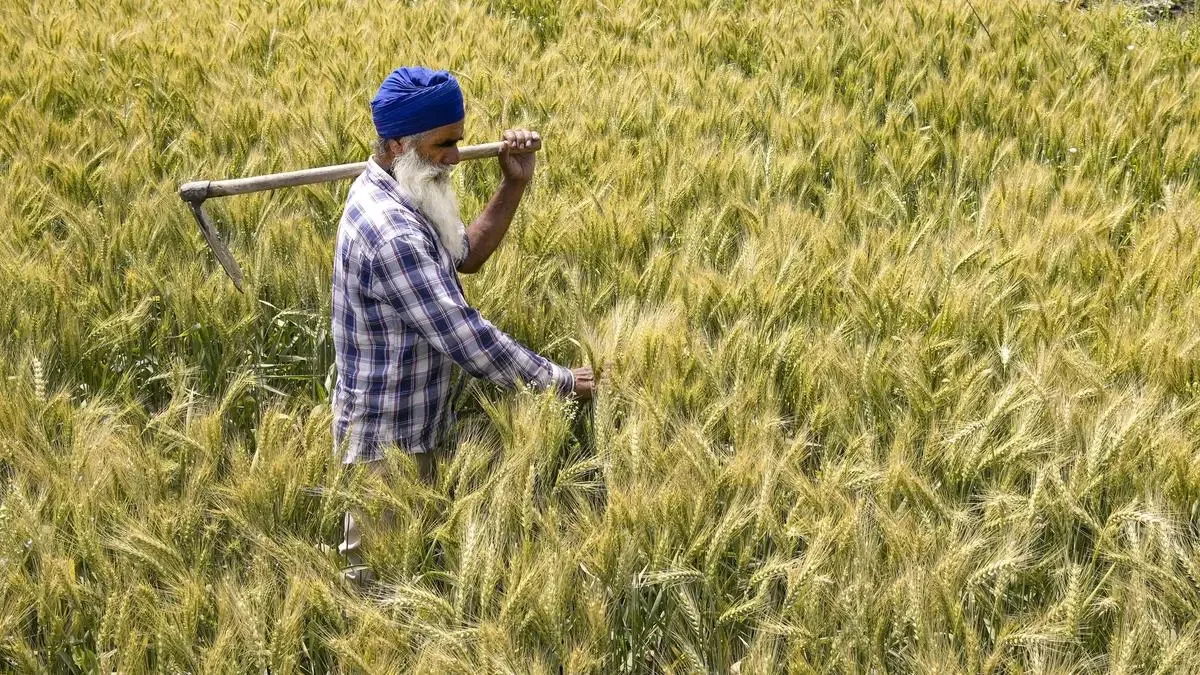
The agricultural sector is closely monitoring the current rabi season, as recent data highlights a severe threat to winter crop stability. Unfavorable weather patterns, characterized by notable rainfall deficits and concerns surrounding the influence of El Niño, are creating a challenging environment for farmers across the country.
Unlike kharif crops, which are largely dependent on the monsoon season, rabi crops are sown during the winter months. Their success is intrinsically linked to a precise combination of residual soil moisture, consistent irrigation, and timely winter precipitation. The current climate conditions are putting this delicate balance at risk, raising concerns about potential impacts on crop development and overall agricultural productivity.
rabi crop risks: What This Means for Farmers
For farmers currently preparing for or managing their rabi crops, the reported weather trends carry significant practical implications. Understanding these risks is essential for making informed decisions regarding field operations and resource management.
- Increased Reliance on Irrigation: With rainfall deficits limiting natural soil moisture, farmers may find themselves more dependent on irrigation systems than in previous seasons. Ensuring the availability and efficiency of water resources is critical.
- Moisture Management: The lack of expected winter precipitation makes effective soil moisture conservation techniques more important than ever. Farmers should prioritize field practices that help retain existing moisture for the benefit of the growing crops.
- Crop Planning: The prevailing El Niño conditions and rainfall shortages emphasize the need for careful monitoring of crop health. Staying informed about local weather updates will be vital for managing expectations and adjusting field-level strategies as the season progresses.
The situation remains a key focus for the agricultural community, as the interplay between environmental factors and crop requirements continues to evolve. Farmers are encouraged to monitor their fields closely and utilize available irrigation infrastructure effectively to mitigate the risks posed by these challenging weather conditions.
Source: The Hindu - Business Line