Kharif Sowing Trails Last Year’s Pace Despite Monsoon Improvement
Agricultural sowing operations for the current Kharif season are currently facing a significant structural headwind. Despite a notable strengthening of monsoon precipitation across key agrarian states over the past several weeks, cumulative acreage for major Kharif crops remains below the levels recorded during the corresponding period last year. This disconnect between rainfall distribution and planting progress has raised concerns among market analysts and agricultural experts regarding the potential impact on final yield projections and domestic supply chains.
While the meteorological department has reported a recovery in seasonal rainfall, the intensity and timing of these showers have been uneven. The delay in planting is not merely a result of moisture deficiency, but rather a reflection of the erratic nature of the monsoon, which has hindered the ideal window for sowing in several high-output regions. As the season progresses, the agricultural sector is closely monitoring whether the current lag in acreage can be recovered through late-season planting or if the country faces a definitive shortfall in output.
Varied Performance Across Core Commodity Segments
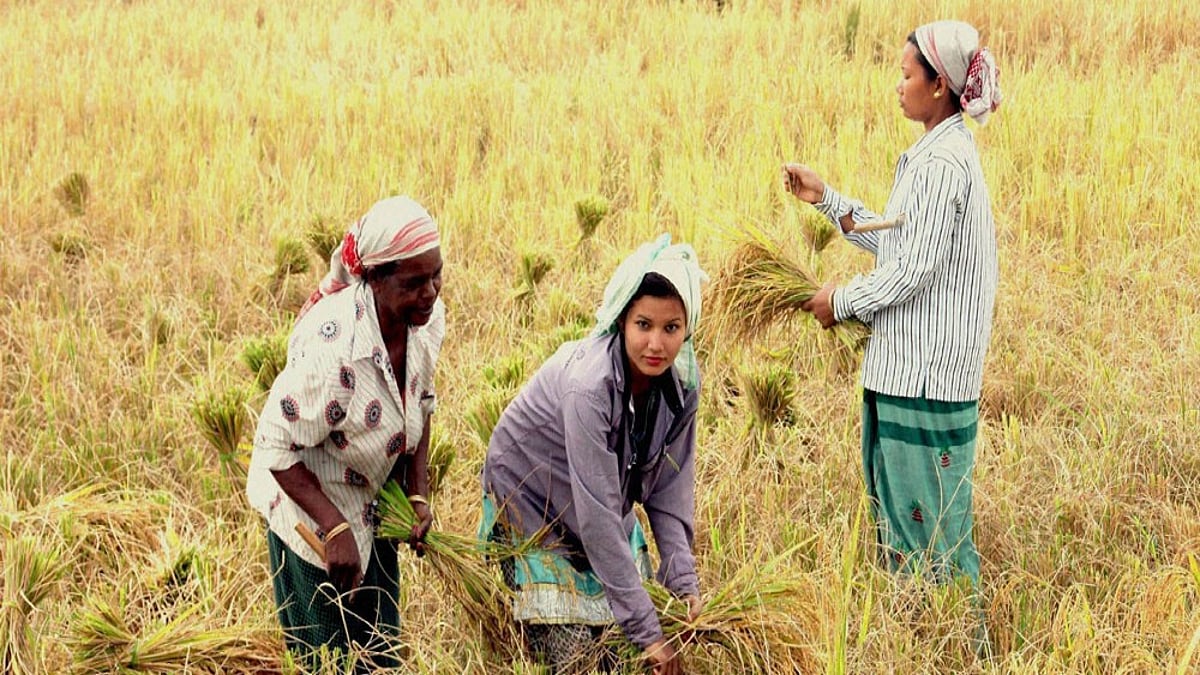
The sluggish pace of sowing is not uniform across all crop categories, revealing a complex picture of regional agricultural priorities and climate adaptability. Paddy, the cornerstone of the Kharif season, continues to lag behind last year’s figures. The water-intensive nature of paddy cultivation requires consistent and well-distributed rainfall; where irrigation infrastructure is lacking, farmers have been hesitant to commit to full-scale transplantation, awaiting more reliable soil moisture conditions.
Similarly, pulses and oilseeds—essential for domestic food security and reducing import dependencies—are showing a persistent deficit in area coverage. These crops are particularly sensitive to waterlogging and soil aeration, making them vulnerable to the uneven distribution of rainfall seen in recent weeks. Conversely, sugarcane has emerged as a notable outlier, recording healthy gains in total acreage. As a long-duration crop with higher resilience to varying moisture levels compared to pulses, sugarcane continues to attract farmers who prioritize stable, contract-backed returns over the volatility associated with grain and oilseed markets.
Geographic Disparities and Agronomic Challenges
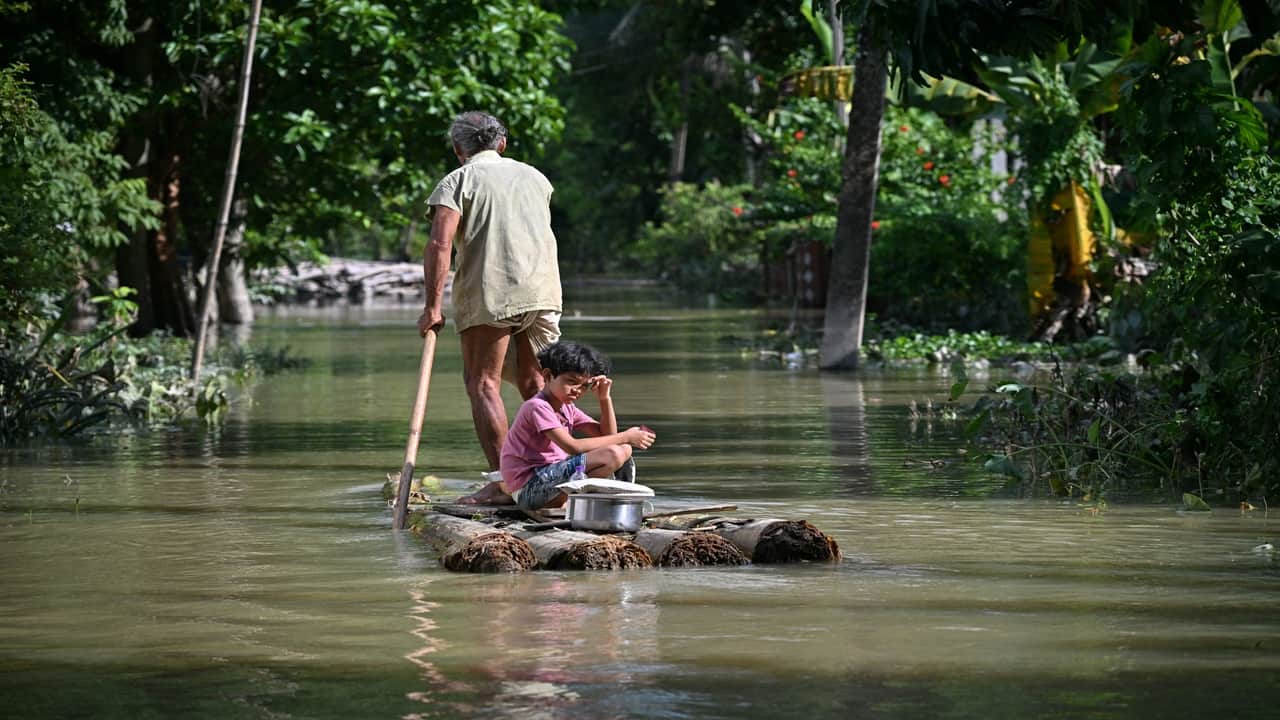
The uneven nature of the monsoon has created a "patchwork" sowing map. Some states have reported surplus rainfall that has led to localized flooding, effectively delaying field preparation and seed germination. In other regions, the rainfall, while improved, arrived after the optimal sowing window had already closed, leading farmers to reconsider their crop choices or reduce their total planted area to mitigate risk.
This geographic disparity is a critical factor in the current acreage shortfall. Agronomists suggest that the delay in planting can often lead to a reduction in the vegetative growth phase of crops, potentially impacting the final harvest quality. Furthermore, the reliance on rainfall distribution highlights the ongoing need for improved climate-resilient farming practices, such as direct-seeded rice (DSR) or the adoption of short-duration, drought-tolerant seed varieties, which can better withstand the unpredictable nature of modern monsoon patterns.
What This Means for Farmers
For the farming community, the current lag in sowing presents both economic and operational challenges that require a strategic response:
- Risk Mitigation: Farmers who have missed the optimal window for traditional crops should consult with local agricultural extension offices regarding the feasibility of switching to short-duration, late-sowing varieties. Planting crops that do not reach maturity before the onset of the post-monsoon dry period can lead to significant yield losses.
- Input Management: With the planting window narrowing, there is a temptation to over-apply fertilizers to compensate for delayed growth. Farmers are advised to conduct soil health tests to ensure that nutrient application is precise, avoiding unnecessary costs and potential crop stress caused by chemical imbalances in the soil.
- Market Outlook: The shortfall in pulses and oilseeds acreage may lead to tighter domestic supplies in the coming months, which historically drives price volatility. Farmers should keep a close watch on market trends and consider leveraging collective bargaining through Farmer Producer Organizations (FPOs) to manage the sale of their produce effectively.
- Water Conservation: In regions where rainfall remains unpredictable, investing in moisture-retention techniques—such as mulching and improved drainage—can protect the current crop from extreme weather fluctuations. Adapting to these shifts is essential for maintaining profitability in an era of climate uncertainty.