Kharif Sowing Lags Behind Previous Season as Monsoon Recovery Faces Structural Headwinds
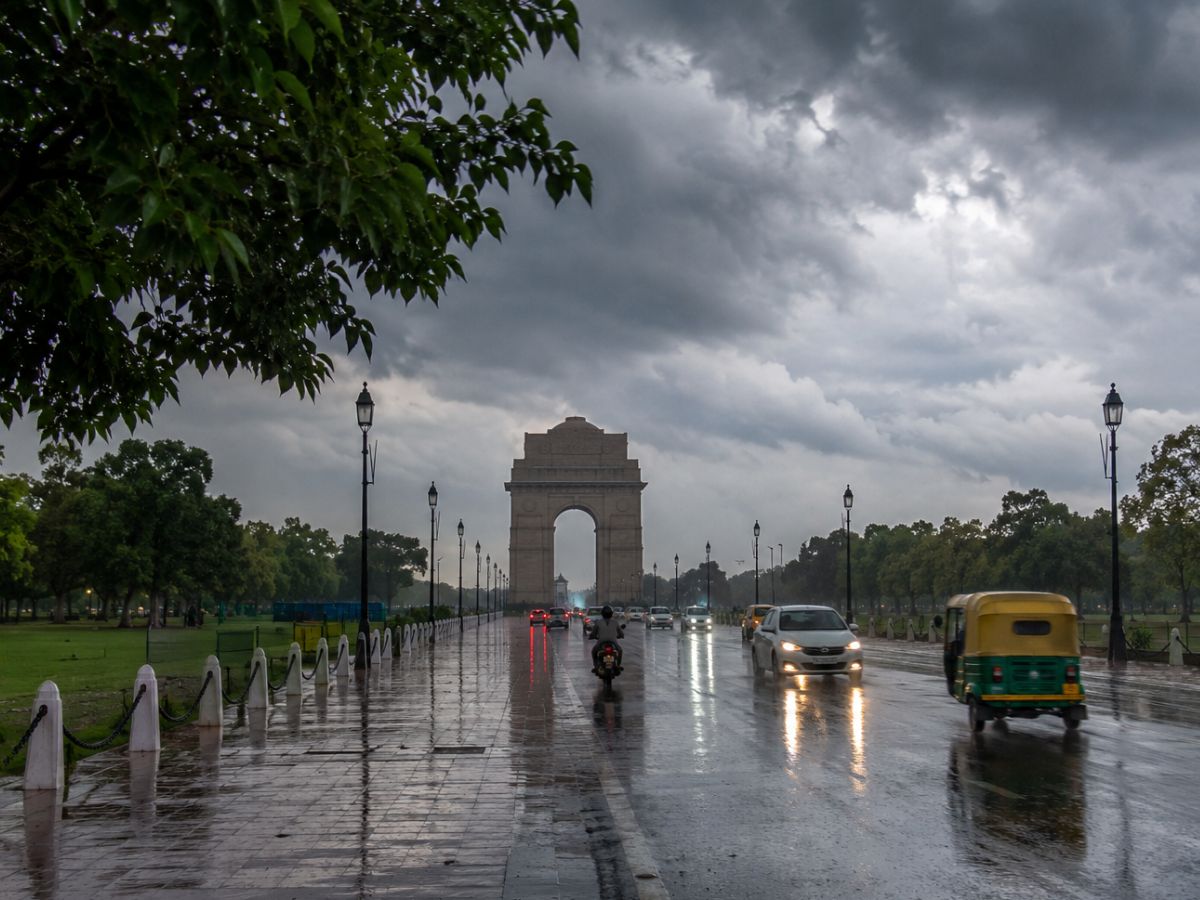
The latest data from the Ministry of Agriculture and Farmers Welfare reveals a complex picture for the current Kharif season. As of July 31, total area coverage under Kharif crops stands at 89.4 million hectares. While this figure represents a significant portion of the total target, it trails the corresponding period of the previous year by 2.9 percent. The shortfall persists despite a robust revival of the monsoon in July, which brought much-needed precipitation to major agrarian hubs and helped narrow the deficit that had widened during a sluggish start to the rainy season.
The initial phase of the monsoon, marked by uneven distribution and delayed onset in specific regions, created a challenging window for early-season planting. While the July rainfall surge corrected much of the moisture deficit, the lag in sowing remains a point of concern for policymakers and agricultural economists. The disparity between last year’s pace and the current progress indicates that while soil moisture levels have improved, the window for optimal planting for several short-duration varieties is rapidly closing, necessitating a shift in focus toward crop health and yield management.
Key Commodities Under Pressure: Rice, Pulses, and Cereals
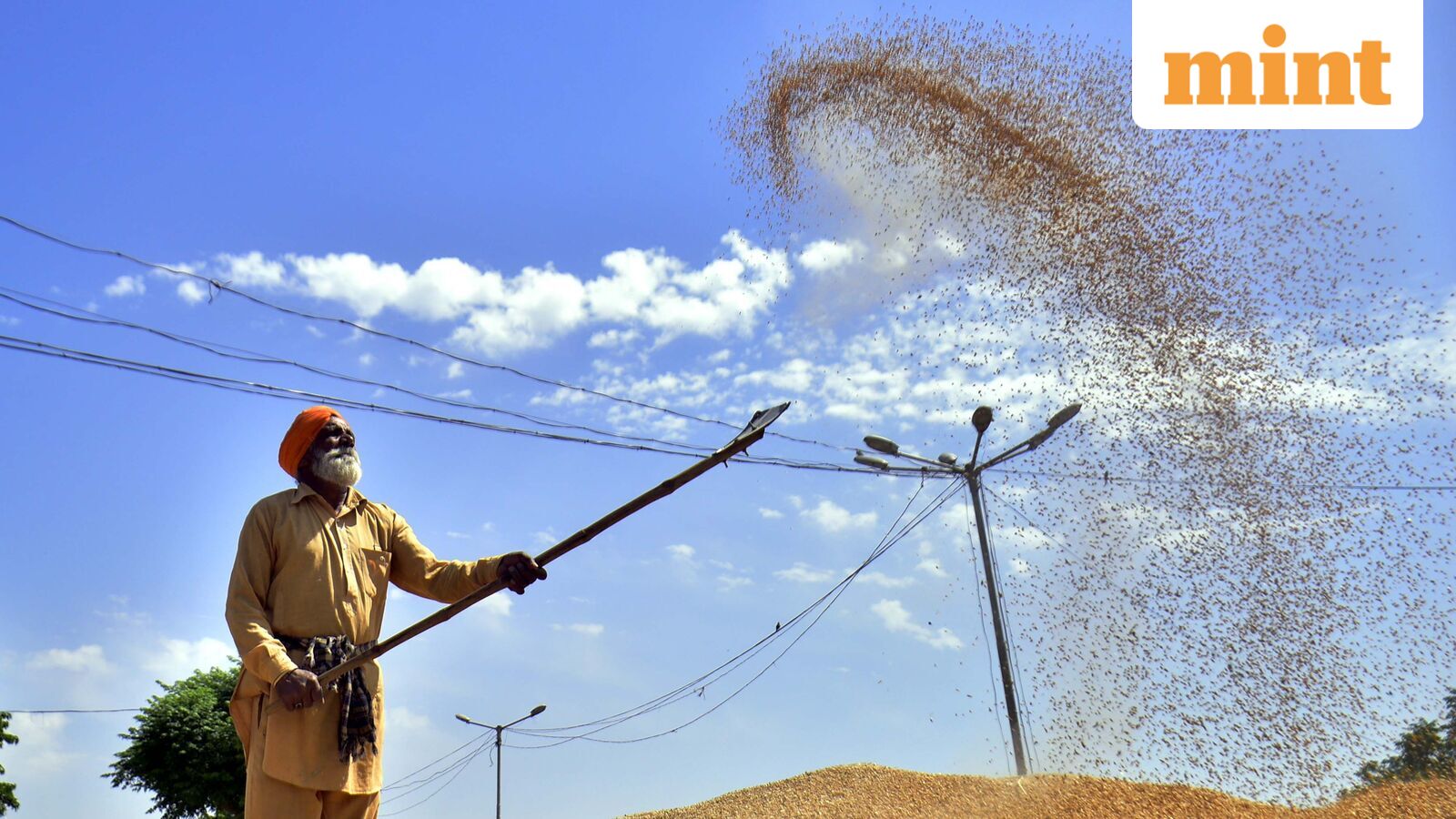
The drag on overall sowing figures is largely attributed to localized delays in the cultivation of rice, pulses, and coarse cereals. Rice, the cornerstone of the Kharif season, has seen a slower-than-anticipated uptick in acreage. As the primary staple, rice planting is highly sensitive to the availability of assured irrigation and adequate rainfall during the transplanting phase. While the revival of the monsoon has boosted reservoir levels, the labor-intensive nature of paddy transplanting means that any delay in initial moisture availability often results in a permanent loss of momentum that cannot be fully recovered later in the season.
Similarly, the pulses sector—a critical component of soil health and nutritional security—has struggled to match the pace set in the previous year. Pulses are highly susceptible to moisture stress and waterlogging; consequently, the erratic nature of this year's monsoon onset likely discouraged farmers from expanding area coverage in vulnerable pockets. Coarse cereals, which often serve as a resilient alternative in rain-fed regions, have also shown a muted response. The current stagnation in these segments underscores the ongoing transition in farming patterns, where producers are increasingly cautious about input costs and market volatility, often waiting for definitive weather signals before committing to full-scale sowing operations.
Regional Disparities and Monsoon Dynamics
The narrative of the current Kharif season is one of regional divergence. While the national aggregate shows a 2.9 percent lag, internal data indicates that states with better irrigation infrastructure have managed to keep pace with historical averages. Conversely, regions heavily reliant on rain-fed agriculture continue to grapple with the residual effects of the June deficit. The July monsoon revival acted as a critical equalizer, preventing a more severe contraction in sowing, but the recovery has not been uniform.
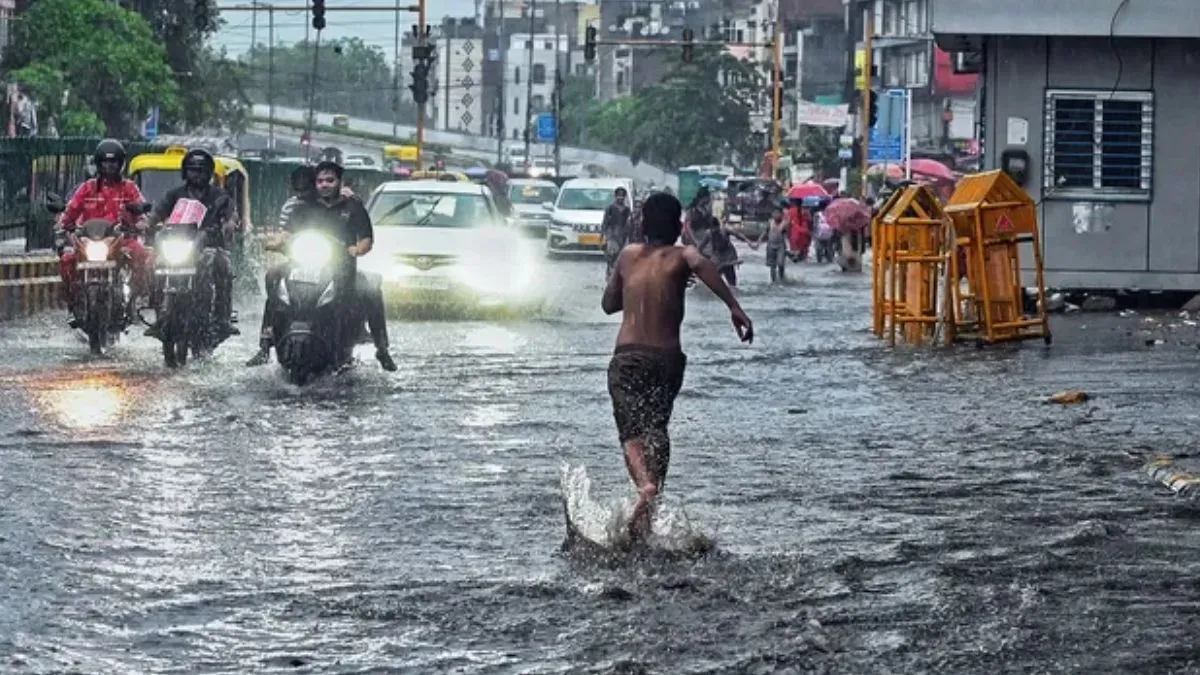
Agronomists point out that the intensity of rainfall in July, while beneficial for filling dams and groundwater recharge, has in some areas caused localized waterlogging, potentially impacting the germination and initial growth stages of crops already planted. The agricultural sector is now entering a sensitive phase where the focus must shift from sowing targets to crop establishment. The total area covered so far is substantial, but the final production output will depend heavily on the distribution of rainfall throughout the critical vegetative and grain-filling stages in August and September.
What This Means for Farmers
For the farming community, the current situation calls for a strategic reassessment of field operations. Farmers should prioritize the following actions to mitigate risks associated with the delayed sowing cycle:
- Focus on Weed and Pest Management: With the late onset of sowing in some regions, crops may be at different developmental stages than usual. Increased humidity from the July rains provides an ideal environment for pests and weeds; proactive scouting and timely application of integrated pest management (IPM) practices are essential to protect the yield potential of late-sown crops.
- Optimize Fertilizer Application: Late-sown crops often have a shortened window for maturity. Farmers should consult with local agricultural extension offices regarding split-dose fertilizer applications to ensure nutrient availability aligns with the shortened growth cycle, avoiding excessive nitrogen that could lead to lodging or delayed maturity.
- Monitor Soil Moisture: While the monsoon revival has provided surface-level relief, farmers should remain vigilant about soil moisture retention. In areas where sowing was delayed, moisture conservation techniques, such as mulching or the use of short-duration, drought-tolerant varieties, can help buffer against potential dry spells in the latter half of the season.
- Market Planning: Given the lag in national sowing figures, market supply chains may experience shifts in harvest timing. Farmers are advised to track regional and national supply trends to make informed decisions regarding storage versus immediate post-harvest sale, ensuring they are not caught in a localized supply glut.
While the 2.9 percent lag is statistically significant, it does not necessarily signal a proportional decline in total production. By focusing on crop management and leveraging the improved moisture conditions, farmers can work to recover yield potential in the coming weeks.