Easing Monsoon Concerns: Kharif Sowing Gap Narrows as July Rains Stabilize
The latest agricultural data indicates a significant positive shift in India’s kharif sowing season, providing much-needed relief to policymakers and commodity markets concerned about food inflation. After a sluggish start to the monsoon season that left many regions grappling with moisture deficits, a robust recovery in rainfall throughout July has accelerated planting activities across the country. Official reports now confirm that approximately 70% of the typical kharif acreage has been sown, effectively narrowing the gap that had previously sparked fears of a potential shortfall in staple crop production.
The monsoon, which is the lifeblood of the nation’s agrarian economy, has transitioned from a period of uncertainty to one of relative stability. Following a lackluster June, the intensification of rainfall patterns in July has ensured that soil moisture levels have reached optimal thresholds for major crops, including paddy, pulses, and oilseeds. This recovery is critical, as the kharif season—or the monsoon crop—accounts for the majority of the annual production of several essential commodities. By closing the sowing gap, farmers have managed to mitigate the risks of delayed planting, which often leads to yield penalties and quality concerns during the harvest period.
Monsoon Performance and Regional Sowing Dynamics
The meteorological department’s classification of July rains as "normal" has been the primary catalyst for this turnaround. While the early onset of the monsoon was characterized by spatial variability—leaving some pockets in the central and western belts waiting for adequate precipitation—the widespread distribution of rainfall in the subsequent weeks has corrected this trajectory. This improvement has allowed for a steady increase in land preparation and seed application, particularly in rain-fed agricultural zones that rely entirely on the monsoon for irrigation.
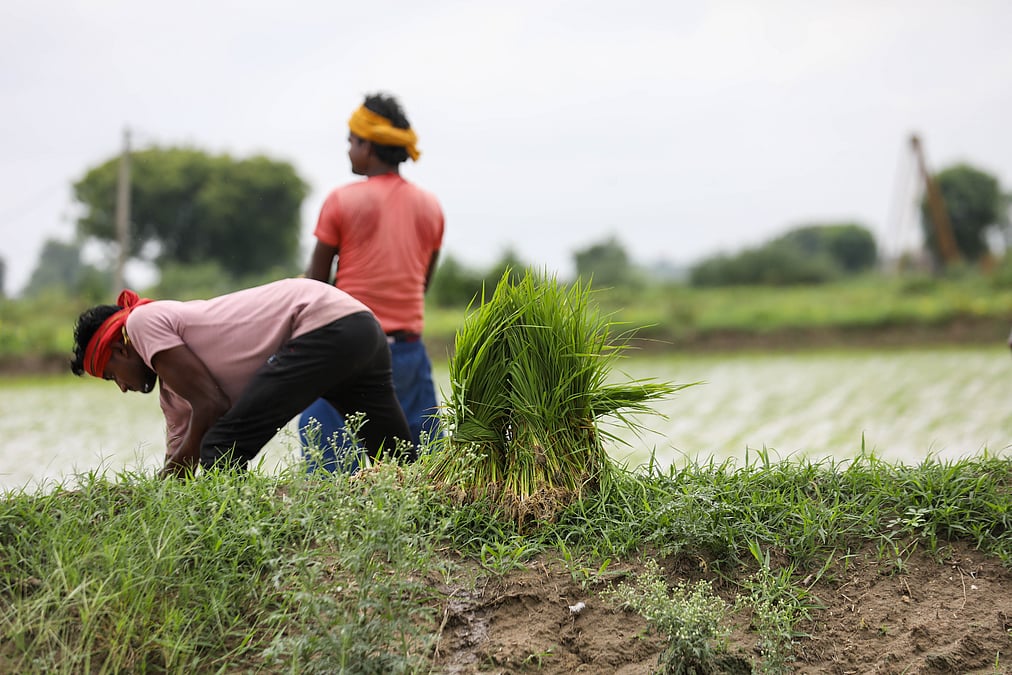
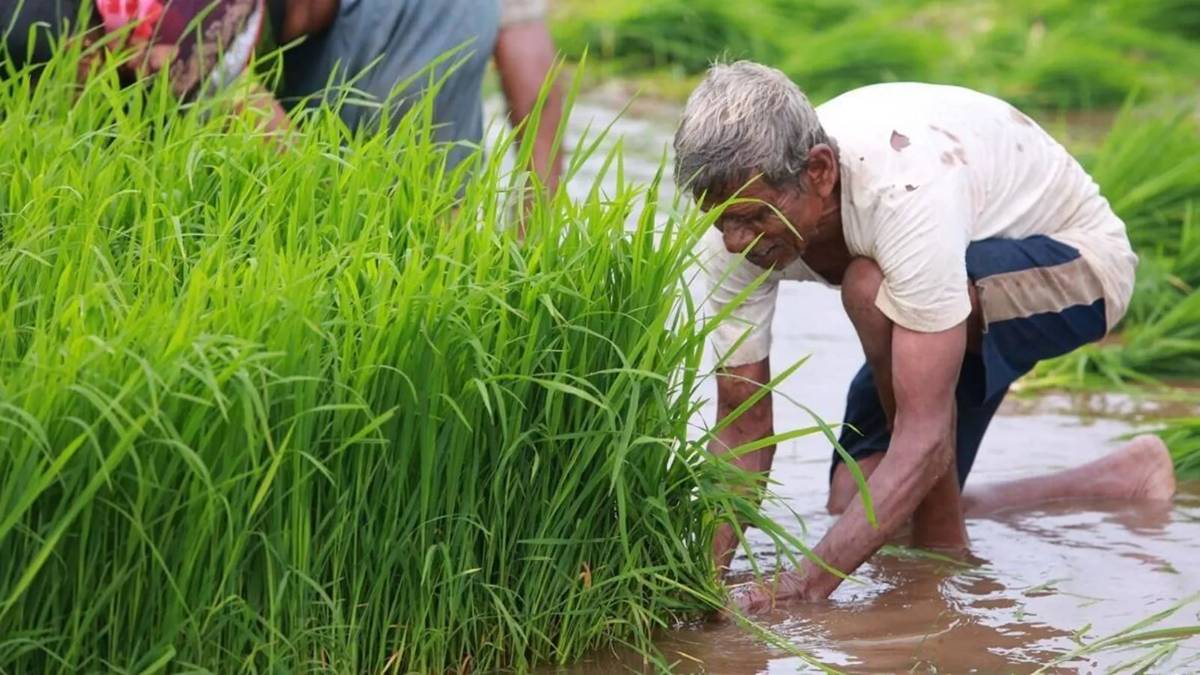
The recovery is not just in terms of geographic coverage but also in the speed of adoption by the farming community. As soil moisture levels improved, farmers mobilized quickly to utilize the remaining optimal window for sowing. Data suggests that major rice-growing regions have seen a surge in transplanting activities, while areas dedicated to oilseeds and pulses have also shown a marked increase in activity. This synchronization of planting schedules is vital for regional crop management, as it allows for uniform pest control and nutrient application strategies, which are essential for maximizing output per hectare.
Market Sentiment and Inflationary Pressures
The stabilization of sowing operations serves as a crucial barometer for broader economic health. Food inflation has been a significant concern for the central bank and the government, with prices of essential commodities often sensitive to supply-side shocks caused by weather anomalies. When kharif sowing lags, the market tends to react with volatility, anticipating lower yields and potential supply chain disruptions later in the year. The narrowing of the sowing gap acts as a stabilizing force, signaling to domestic and international markets that production targets are likely to be met.
Furthermore, the timely planting of crops reduces the reliance on emergency government interventions, such as restrictive trade policies or price-stabilization measures, which are often necessitated by supply shortages. With the sowing progress now reaching 70% of the normal area, the focus of the agricultural sector is shifting from recovery to crop maintenance. The upcoming stages of the season, which will involve fertilizer application and weed management, will be critical in ensuring that the potential created by the improved sowing conditions is fully realized.
What This Means for Farmers
For the farming community, the current progress in kharif sowing brings both opportunities and specific responsibilities to ensure a profitable season. While the narrowing of the sowing gap is a positive development, farmers must remain vigilant regarding the following factors:
- Input Management: With the sowing window closing, the focus must now shift to timely nutrient application. Farmers should follow soil-test-based fertilizer recommendations to optimize costs and prevent runoff, especially in areas where rainfall remains heavy.
- Pest and Disease Monitoring: Increased humidity and sustained moisture levels can create favorable environments for fungal diseases and pest outbreaks. Regular field scouting is essential to catch early signs of infestation and prevent widespread crop damage.
- Moisture Management: In regions where rainfall has been abundant, farmers should ensure adequate drainage in fields to prevent waterlogging, which can cause root rot and stunt crop growth. Conversely, those in areas that experienced a late start should prioritize moisture-conserving agronomic practices.
- Economic Planning: As the market begins to factor in the stabilized production outlook, price volatility may moderate. Farmers are advised to track local procurement updates and market trends to make informed decisions regarding the timing of their harvest and sales.
Ultimately, while the monsoon recovery has provided a strong foundation for the season, the final output will depend on consistent agricultural practices and favorable weather conditions throughout the vegetative and reproductive stages of the crops. By maintaining a proactive approach to crop management, farmers can capitalize on the current momentum to secure a healthy and productive harvest.