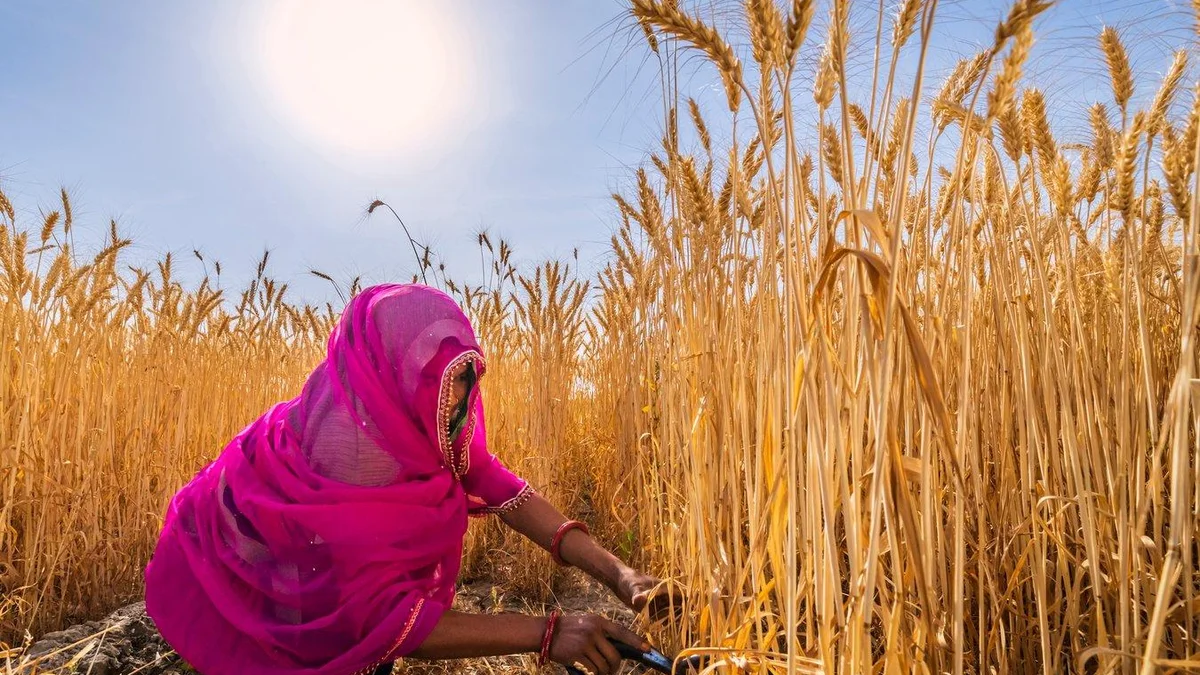
Indian farmers are facing difficult decisions for the upcoming 2026-27 Rabi season as wheat cultivation faces a significant risk of decline. Current assessments indicate that the country could see a 5% to 10% reduction in wheat sowing area compared to previous cycles.
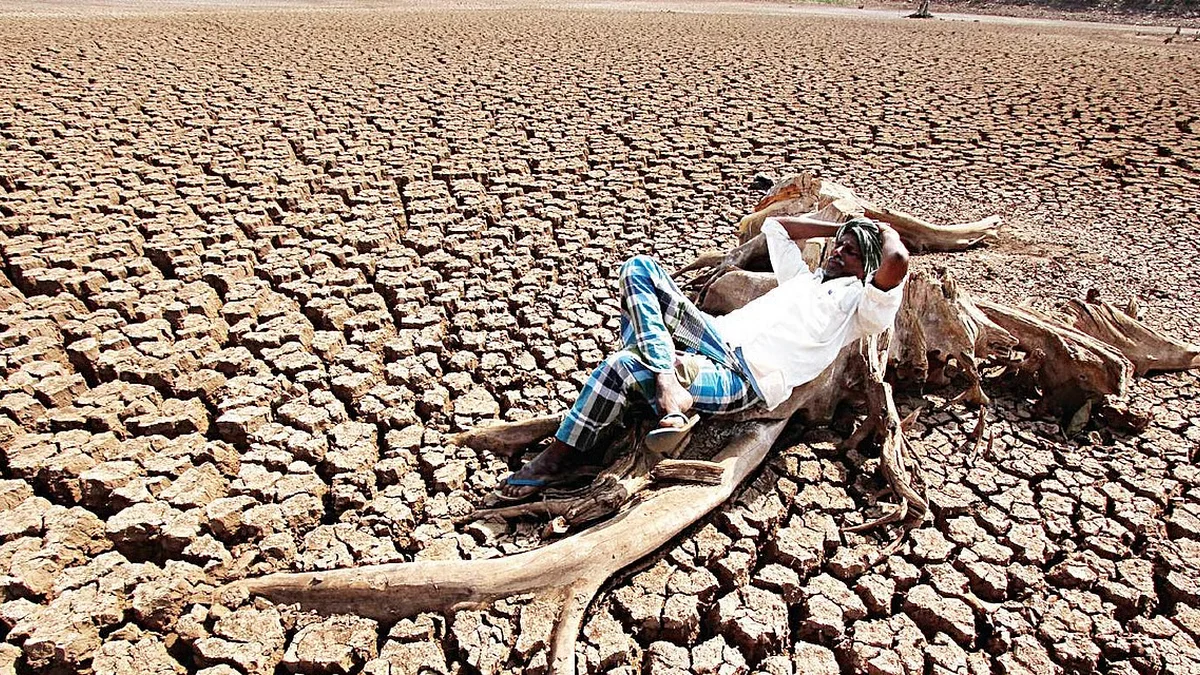
The primary challenges driving this potential decline include poor monsoon rainfall, which has left many regions with lower-than-average water reserves. This scarcity of water is putting intense pressure on irrigation systems, making it increasingly difficult for farmers to maintain traditional wheat cultivation patterns.
Beyond water issues, changing crop economics are also influencing agricultural planning. As farmers weigh the costs of production against available resources, many are reconsidering whether wheat remains the most viable option for the current Rabi season. These combined factors—environmental stress and economic shifting—are forcing a widespread re-evaluation of crop choices across several states in India.
wheat sowing India: What This Means for Farmers
This development has direct practical implications for farmers planning their Rabi crop cycles. The situation suggests that access to reliable irrigation will be the most critical factor in determining the success of the upcoming harvest.
- Water Management: Farmers in regions with limited irrigation infrastructure may need to prioritize crops that require less water or explore more efficient water-saving techniques.
- Crop Planning: Given the potential for reduced wheat acreage, farmers should carefully analyze local market trends and input costs before finalizing their planting decisions for the season.
- State-Level Impact: Because the decline is expected to be widespread across several states, local agricultural departments may provide updated guidance. It is essential for farmers to stay informed about any regional advisories regarding water usage and crop alternatives.
As the season progresses, the combination of environmental constraints and shifting economic conditions will continue to shape the agricultural landscape. Staying prepared by assessing local water availability and evaluating alternative crop profitability will be essential for navigating the challenges of the 2026-27 Rabi season effectively.
Source: Modern Agriculture India