Agricultural economist Dr. Ashok Gulati has emphasized that the next phase of India’s agricultural development must prioritize high-value sectors such as dairy and livestock to effectively boost per-capita farmgate incomes. While the national agricultural Gross Value Added has maintained a steady growth rate, the current focus on staple cereal production is no longer sufficient to ensure long-term rural prosperity.
In an analytical review of agricultural policy, Dr. Gulati noted that decades of policy incentives—specifically Minimum Support Prices (MSP) and input subsidies—have led to a structural surplus of rice and wheat. This reliance on cereal-centric production has resulted in buffer stocks that far exceed strategic requirements. To achieve the goals set under the Viksit Bharat 2047 vision, experts argue that policy must pivot toward commodities that align with modern dietary shifts and offer higher economic returns.
Dairy production currently stands as the most valuable agricultural commodity in India, surpassing the combined output value of rice and wheat. Because dairy farming provides daily cash flow and helps convert crop residues into high-protein food, it serves as a critical foundation for smallholder households. Furthermore, these activities are often more resilient to climate variability than seasonal monocultures.
To support this transition, the analysis highlights the need for institutional reforms. Unlike cereals, dairy and horticultural products are highly perishable, requiring robust cold-chain logistics and efficient market access. Strengthening collective bargaining through Farmer Producer Organisations (FPOs) and primary cooperative societies is essential to ensure that producers receive transparent pricing and avoid the erosion of margins in the supply chain.
Indian farm income growth: What This Means for Farmers
For rural households, this shift toward high-value agriculture represents a move away from subsistence-level farming toward more reliable income streams. The practical implications include:
- Diversification for Stability: Integrating dairy and livestock into existing farm operations provides a daily source of income, reducing the financial risks associated with seasonal crop cycles and commodity price volatility.
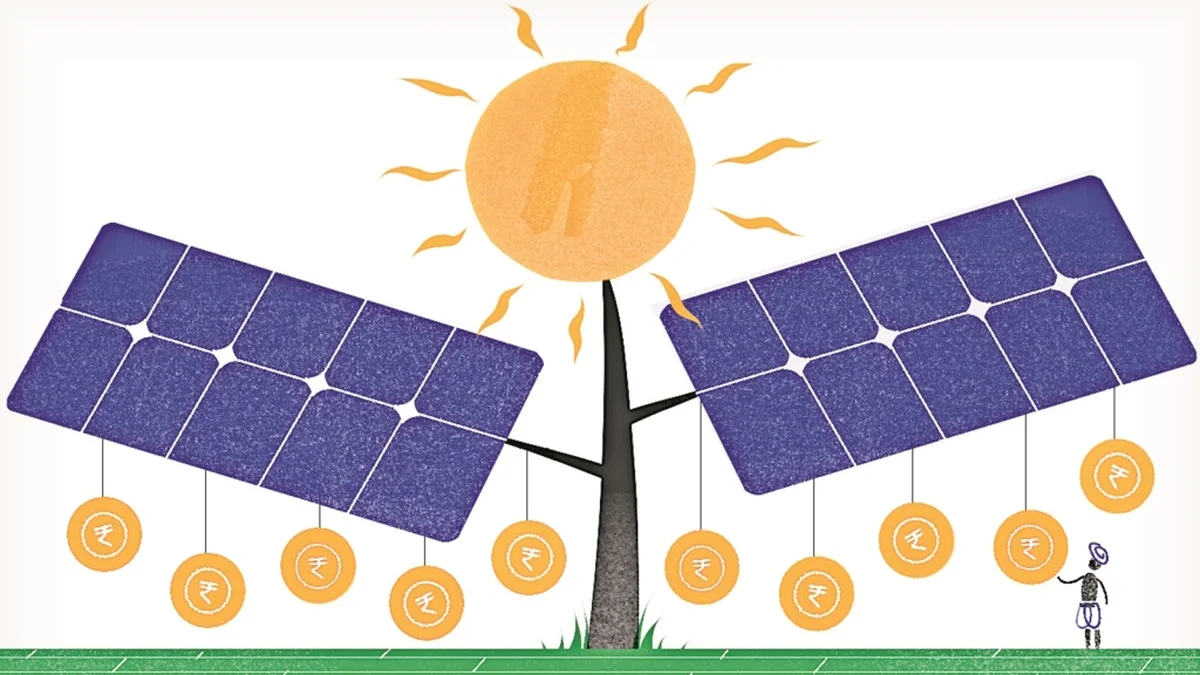
- Adopting New Technology: The introduction of agriphotovoltaics (Agri-PV)—installing solar arrays above fields and dairy shelters—offers a dual-income model. Farmers can continue agricultural production while also generating energy, effectively becoming "urjadata" (energy suppliers) alongside their traditional role as "annadata" (food providers).
- Need for Collective Action: To benefit from these high-value markets, farmers are increasingly encouraged to join FPOs and cooperatives. These organizations are vital for accessing cold-chain infrastructure, bulk milk chilling, and direct links to modern retail processors, which are necessary to maximize the value of perishable goods.
As India looks toward 2027, reorienting public expenditures toward cold chains, cooperative processing, and on-farm renewable infrastructure will be a decisive factor in building income resilience for farming families across the country.
Source: Edairynewsin


