
Indian Bank Bolsters Rural and Small-Scale Economy with ₹1,220 Crore Credit Injection
In a strategic move designed to stimulate growth across the foundational sectors of the Indian economy, Indian Bank has announced the successful disbursement of ₹1,220 crore under its Retail, Agriculture, and MSME (RAM) lending segments. This capital infusion arrives at a critical juncture for the domestic economy, as small-scale enterprises and rural producers seek to navigate shifting market demands and rising operational costs. By prioritizing these three pillars, the bank aims to consolidate its position as a primary financier for the grassroots economy, ensuring that liquidity reaches the sectors that serve as the backbone of national employment and production.
Strategic Allocation and the Role of the MSME Segment
The distribution of the ₹1,220 crore portfolio highlights a balanced yet targeted approach to credit deployment. The Micro, Small, and Medium Enterprises (MSME) sector emerged as the primary beneficiary of this initiative, receiving ₹615 crore—representing more than 50% of the total sanctioned amount. This focus on MSMEs is reflective of a broader trend in banking, where institutions are increasingly recognizing the multiplier effect that small businesses have on localized supply chains and industrial output.
The remaining balance of the disbursements was distributed across the retail and agricultural sectors. In the current economic climate, retail lending supports consumer demand, while agricultural credit is essential for capital-intensive operations such as the procurement of high-yield seeds, fertilizers, and modern farm machinery. By diversifying the risk across these segments, Indian Bank is not only supporting individual business growth but is also reinforcing the stability of its own asset portfolio against sector-specific volatility.
Strengthening Agricultural Resilience and Rural Productivity
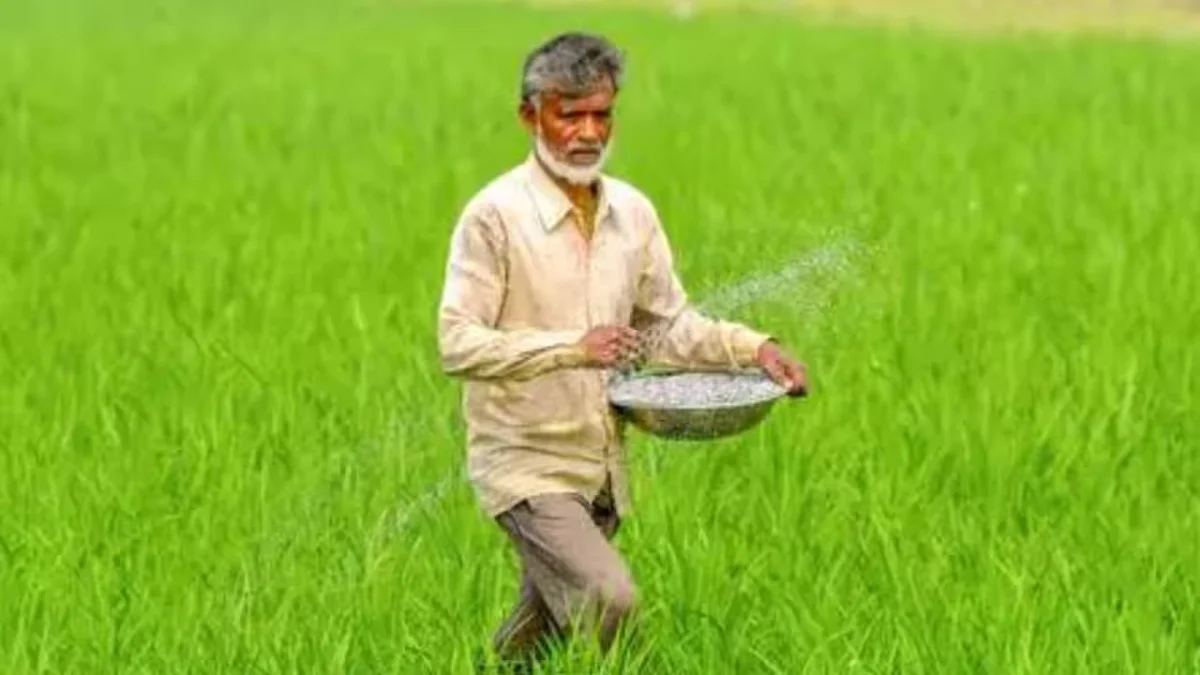
The inclusion of the agricultural segment in this disbursement cycle is particularly significant for the rural landscape. For farmers and agri-entrepreneurs, access to formal institutional credit is often the determining factor in adopting productivity-enhancing technologies. As the agricultural sector undergoes a digital and mechanical transformation, the need for timely financing has never been greater. Funds directed toward this segment are typically utilized to bridge the gap between harvest cycles, manage inventory costs, and invest in sustainable farming infrastructure, such as drip irrigation systems or cold storage solutions.
Furthermore, the integration of RAM segments into a singular, streamlined lending framework allows banks to process applications with greater efficiency. By leveraging digital banking interfaces and standardized credit-scoring models, institutions are reducing the turnaround time for loan approvals. This efficiency is vital for farmers, who often face time-sensitive demands related to sowing seasons and market price fluctuations, where a delay in funding can lead to missed opportunities for yield optimization or profitable sales.
What This Means for Farmers
For the farming community, the mobilization of these funds signals a vital opportunity to stabilize and expand operations. The practical implications for producers include:
- Improved Cash Flow Management: Access to institutional credit allows farmers to move away from high-interest informal lending sources, thereby reducing the overall cost of debt and improving net profit margins.
- Capacity for Modernization: With liquidity available, farmers can pivot toward modern agronomic practices. This includes investing in precision farming equipment, high-quality inputs, and post-harvest technology that helps in mitigating losses during storage and transport.
- Operational Continuity: Consistent access to credit ensures that agricultural operations do not stall due to temporary cash shortages. This is essential for maintaining the continuous cycle of production required to meet domestic food security targets.
- Strategic Advice for Borrowers: Farmers are encouraged to engage with local branch managers to understand the specific loan products available under the RAM umbrella. It is critical to utilize these funds for planned capital investments rather than short-term consumption to ensure long-term sustainability and the ability to repay obligations comfortably.
Ultimately, the infusion of ₹1,220 crore serves as a catalyst for growth. As these funds circulate through the rural economy, they are expected to drive not only individual enterprise success but also contribute to the broader resilience of the agricultural value chain, ensuring that producers remain competitive in an increasingly globalized market.
Source: The Hindu - Business Line