Collaborative Dairy Initiative Aims to Boost Sri Lankan Milk Self-Sufficiency
In a significant move to strengthen regional agricultural ties, a cohort of 19 dairy farmers from Sri Lanka is set to embark on a specialized training program in India. The initiative, focused on enhancing milk production capabilities and modernizing farm management practices, highlights the growing emphasis on cross-border knowledge exchange as a tool for achieving food security. By leveraging India’s extensive experience in cooperative dairy models and smallholder farm efficiency, the program seeks to address the persistent productivity gaps currently hindering the Sri Lankan dairy sector.
The training curriculum is designed to provide participants with a comprehensive understanding of the entire dairy value chain. From genetic improvement and nutritional management of livestock to the implementation of hygienic milking practices, the program aims to equip farmers with the technical expertise required to scale their operations. Given that the dairy industry is a cornerstone of the rural economy in both nations, this partnership is seen as a strategic effort to stabilize milk supply chains and improve the livelihoods of small-scale producers who form the backbone of the industry.
Modernizing Farm Management and Herd Productivity
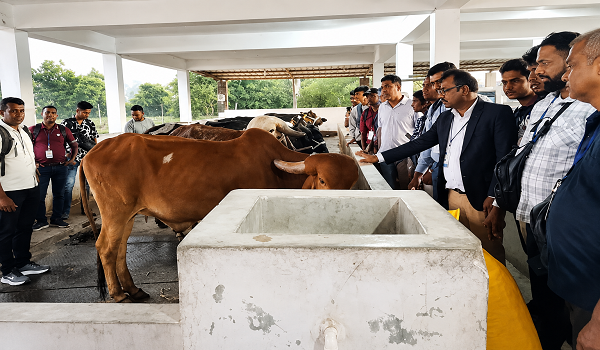
The core of the training program focuses on the transition from traditional, low-input farming methods to more scientific, productivity-oriented management. Indian agricultural experts are expected to guide the Sri Lankan delegation through the intricacies of animal husbandry, specifically focusing on balanced cattle nutrition and preventative healthcare. One of the primary obstacles to high milk yields in tropical climates is the challenge of maintaining optimal herd health; therefore, the training will emphasize the importance of fodder management, water quality, and the strategic use of supplements to maintain consistent output throughout the year.
Beyond the biological aspects of production, the initiative will also cover the essential business side of dairy farming. Efficient farm management requires accurate record-keeping, cost-benefit analysis, and an understanding of supply chain logistics. By observing the Indian model—often characterized by robust cooperative networks and decentralized collection centers—Sri Lankan farmers will gain insights into how to minimize post-harvest losses and improve the quality of raw milk before it reaches processing facilities. This focus on "farm-to-fridge" efficiency is critical for farmers looking to increase their profit margins while meeting the growing consumer demand for safe, high-quality dairy products.
The Role of Cooperative Models in Agricultural Growth
A major theme of the upcoming training is the role of the cooperative model in empowering individual farmers. India’s success in transforming its dairy industry is largely attributed to its ability to organize millions of small-scale producers into cohesive, technology-driven cooperatives. For the visiting Sri Lankan farmers, understanding how these structures function—ranging from bulk milk chilling units to collective bargaining for inputs—will be a key takeaway. The training will explore how collective action can mitigate the risks associated with market volatility and provide individual farmers with the bargaining power necessary to secure fair prices for their produce.
Furthermore, the program intends to foster a long-term network between the participants and their Indian counterparts. By facilitating this exchange, the initiative ensures that the knowledge transfer does not end with the conclusion of the training sessions. Instead, it creates a pipeline for continuous technical support, allowing for the adoption of new technologies and best practices that can be adapted to the unique ecological and economic environment of Sri Lanka.
What This Means for Farmers
For dairy farmers, this development signals a shift toward a more professionalized and data-driven approach to production. The practical implications of this training include:
- Improved Yields through Better Nutrition: Farmers will learn how to optimize cattle feed ratios, which directly correlates to higher daily milk volumes and improved milk fat percentages.
- Lower Operational Costs: By adopting efficient farm management practices, producers can reduce wastage, improve animal longevity, and decrease the frequency of expensive veterinary interventions.
- Enhanced Market Access: Implementing standardized hygiene and quality control measures at the farm level is essential for producers who wish to supply larger, formal processing plants that demand consistent quality.
- Strengthened Collective Bargaining: The lessons regarding cooperative management provide a roadmap for farmers to form local groups, which can help in procuring high-quality feed and veterinary services at a lower, bulk-purchased cost.
Ultimately, this initiative serves as a reminder that the future of dairy farming lies in the integration of traditional animal husbandry with modern management science. For the average smallholder, the goal is to move from subsistence-level production to a sustainable, profit-oriented enterprise that can withstand fluctuating market conditions.