
The Gujarat State Biotechnology Mission (GSBTM) and Anand Agricultural University (AAU) have announced a strategic partnership to establish new biomanufacturing facilities for biofertilizers and biopesticides. This initiative, aimed at bolstering domestic agricultural-input security, was announced on Friday as part of a broader effort to reduce reliance on conventional fertilizers and navigate global supply chain challenges.
The project, which is being developed under the guidance of the Department of Science and Technology, involves an estimated investment of Rs 50 crore over the next five years. This ecosystem is designed to create a comprehensive pathway from microbial discovery and research to product formulation, manufacturing, field validation, and eventually widespread farmer adoption.
By connecting agricultural universities, biotechnology institutions, startups, and local cooperatives, the government plans to leverage microbial resources more effectively. Anand Agricultural University, which has already established a strong foundation in this field, will play a central role in providing the scientific expertise required for the facility. The university maintains a repository of over 1,000 microbial cultures, including essential strains such as Azotobacter, Azospirillum, and Rhizobium, which are crucial for developing high-quality bio-inputs.
Gujarat biofertilizer facilities: What This Means for Farmers
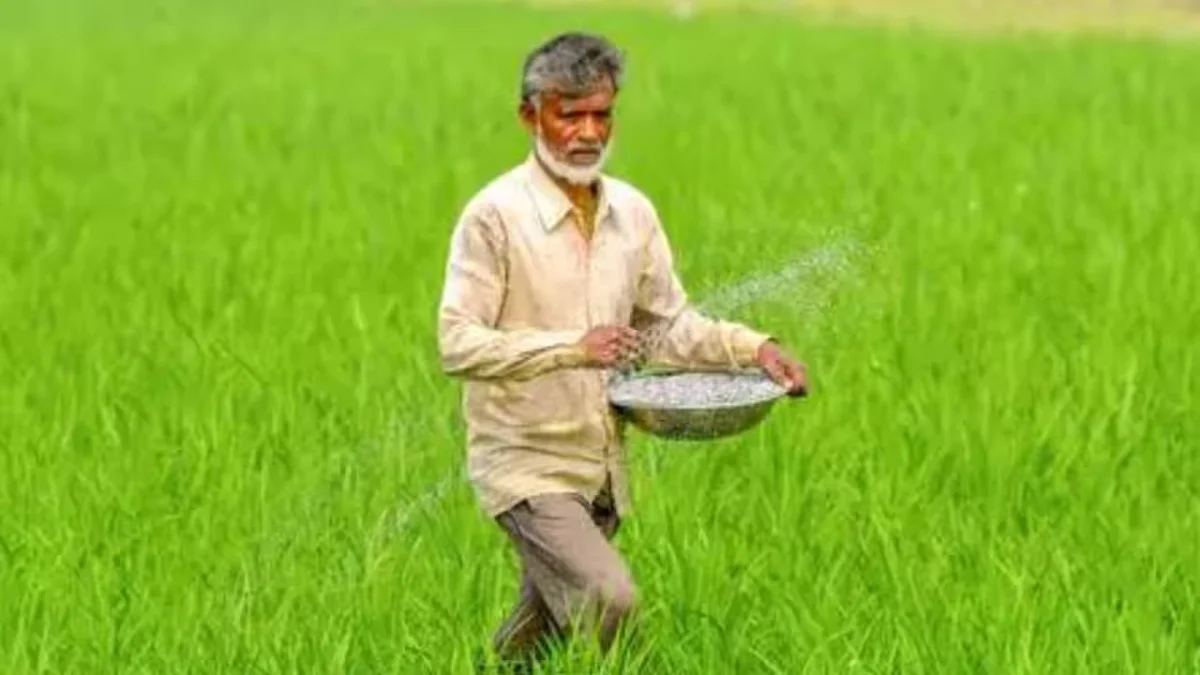
This initiative represents a significant step toward improving the availability and reliability of agricultural inputs for farmers across Gujarat. The ongoing instability in global fertilizer markets, often driven by geopolitical tensions in West Asia, has highlighted the vulnerability of traditional supply chains for essential nutrients like nitrogen, phosphate, and potash.
- Enhanced Input Security: By scaling up the production of biofertilizers, biostimulants, and microbial consortia like Bio-NP and Bio-NPK, the initiative aims to provide farmers with more diverse and locally accessible options, reducing the risk of shortages during critical crop growth stages.
- Improved Soil Health and Efficiency: The focus on biological alternatives is expected to support better nutrient-use efficiency and long-term soil health, which are vital for sustainable crop productivity.
- Scientific Support: With AAU’s extensive research capabilities and the development of new manufacturing facilities, farmers can expect better access to validated, science-backed microbial products that have already been tested for field performance.
The formal agreement for this project is being signed in Bhavnagar in the presence of state ministers, marking a commitment to integrating biotechnology into everyday farming practices. This effort is expected to diversify the agricultural-input landscape, giving farmers tools that go beyond conventional synthetic fertilizers to manage their fields more effectively.
Source: Latestly