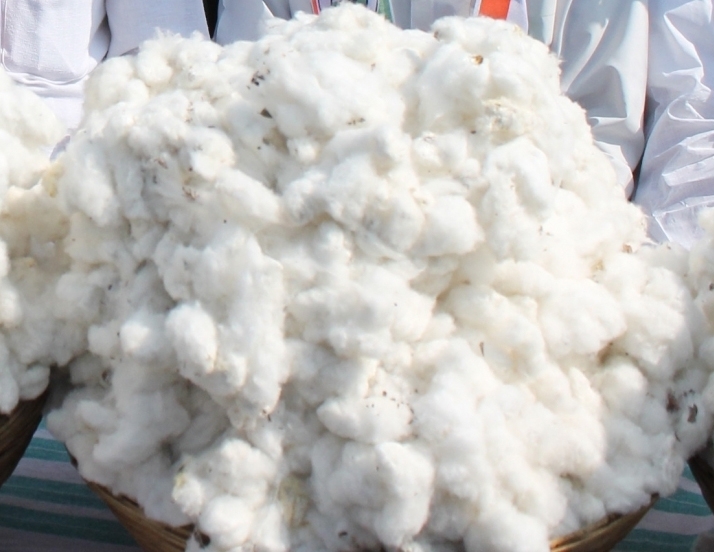
India Positions for Global Dominance as Cotton Production Strategies Shift
India, often referred to as the powerhouse of the global textile industry, is embarking on a strategic mission to bolster its cotton production capabilities. As the crop—frequently dubbed "white gold"—continues to serve as a critical economic engine for millions of rural households, the government is intensifying efforts to modernize cultivation practices. By focusing on higher yields, improved fiber quality, and expanded export capacities, India aims to solidify its standing as a premier global supplier in the competitive international cotton market.
The domestic cotton sector is currently undergoing a period of structural evaluation. With the Centre setting ambitious targets for output growth over the next five years, the focus has shifted from mere acreage expansion to productivity intensification. Policymakers and agricultural experts are working in tandem to address the challenges that have historically hampered yield potential, including climate volatility, pest management, and the adoption of modern agronomic technologies. This comprehensive push is designed not only to meet the surging demands of the domestic textile manufacturing sector but also to capture a larger share of the global export market.
Enhancing Productivity Through Agronomic Innovation
A cornerstone of the government’s strategy is the integration of advanced farming techniques to bridge the yield gap. Despite having one of the largest areas under cotton cultivation globally, India’s productivity per hectare has frequently lagged behind international benchmarks. To rectify this, agricultural extension services are prioritizing the dissemination of high-yielding, climate-resilient seed varieties that are better equipped to withstand fluctuating weather patterns and regional pest pressures.
Beyond genetics, there is a renewed emphasis on precision agriculture. The promotion of drip irrigation and integrated nutrient management is being scaled to ensure that farmers can maximize output while optimizing input costs. By reducing the reliance on water-intensive traditional irrigation and streamlining fertilizer application, these practices aim to lower the cost of production for the average grower. Furthermore, the government is incentivizing the adoption of mechanization in harvesting and post-harvest handling, which is critical for maintaining fiber quality and ensuring that the Indian crop meets the stringent standards required by global spinning mills.
Strengthening the Value Chain for Global Competitiveness
The ambition to increase output is intrinsically linked to the modernization of the entire value chain. Improving the quality of the raw cotton is a non-negotiable step toward ensuring that Indian fiber remains a preferred choice for international buyers. Quality control measures, including improved ginning infrastructure and standardized grading systems, are being bolstered to eliminate contamination and ensure consistency in staple length and micronaire values.
This initiative is also designed to provide a safeguard for the millions of farmers, ginners, and textile workers whose livelihoods depend on the sector. By fostering a more transparent and efficient market mechanism, the Centre hopes to reduce price volatility and ensure that farmers receive a fair share of the value generated along the supply chain. As India integrates more deeply into global supply chains, the ability to provide a consistent, high-quality, and sustainably produced crop will be the defining factor in the country’s long-term export success.
What This Means for Farmers
For the average cotton grower, these national-level developments signal a transition toward more data-driven and commercially oriented farming. The shift in focus offers several practical implications:
- Access to Better Inputs: Farmers can expect increased support in accessing certified, high-yield seed varieties and modern irrigation technologies, which are essential for mitigating the risks associated with climate change.
- Improved Profit Margins: By adopting precision farming methods, growers may be able to significantly reduce the cost of fertilizers and water, directly impacting their bottom line.
- Quality Premiums: As the market moves toward standardized grading, farmers who prioritize quality—through careful harvesting and minimizing contamination—will likely see better price realization for their produce.
- Economic Stability: The government’s commitment to increasing output and export capacity suggests a long-term focus on sustaining demand, which provides a more stable outlook for those whose primary income is derived from cotton cultivation.
- Actionable Advice: Farmers are encouraged to engage with local agricultural extension offices to stay informed about new pest management protocols and to participate in training programs regarding post-harvest handling. Investing time in learning about these standardized practices will be critical to capitalizing on the government’s new export-focused roadmap.