Heavy Rainfall Forecast: IMD Issues High Alerts Across Western and Northern India
The India Meteorological Department (IMD) has issued a series of urgent weather bulletins as a dynamic monsoon system continues to track across the subcontinent. While southern regions of India are currently experiencing a reprieve from intense precipitation, the western and northern belts are bracing for significant meteorological disruptions. According to the latest satellite imagery and synoptic charts, an active offshore trough and low-pressure systems are driving heavy to extremely heavy rainfall, particularly impacting Gujarat and Madhya Maharashtra.
For the residents and agricultural stakeholders in the National Capital Region (NCR)—including Delhi, Noida, Gurugram, and Ghaziabad—the weather remains volatile. While the monsoon trough continues to oscillate, the IMD indicates that localized convective activity could trigger sporadic thunderstorms. The situation remains fluid, with weather stations monitoring the potential for intense, short-duration spells that characterize the latter half of the monsoon season.
Monsoon Dynamics: Shifting Patterns in the West and North
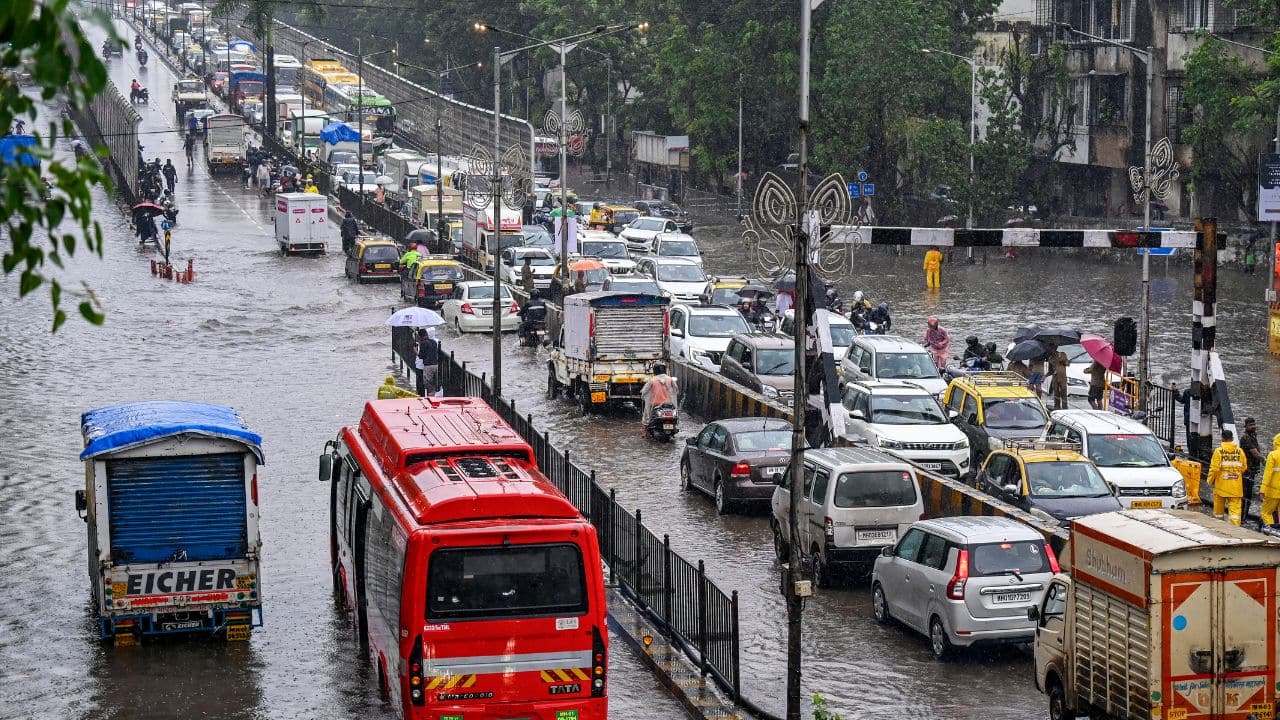
The IMD’s current forecast highlights a period of intense moisture incursion over Gujarat and Madhya Maharashtra, where heavy rainfall is expected to persist through July 22. These regions are currently under high-alert status, as prolonged downpours raise concerns regarding urban waterlogging and the saturation of agricultural fields. Meteorologists note that the concentration of these weather systems is typical for this time of year, though the intensity warrants caution.
Simultaneously, the northern states of Himachal Pradesh and Punjab are facing the dual challenge of heavy rainfall and subsequent flash flood risks. The mountainous terrain of Himachal Pradesh, in particular, remains highly sensitive to heavy precipitation, which can lead to landslides and infrastructure instability. In the plains of Punjab, farmers are closely monitoring the impact of heavy rains on standing crops, as excessive moisture in the soil profile can lead to nutrient leaching and root health issues. The IMD continues to track these systems, providing daily updates to state disaster management authorities to mitigate potential damage to life and property.
The NCR Outlook: Will Delhi See Rain Today?
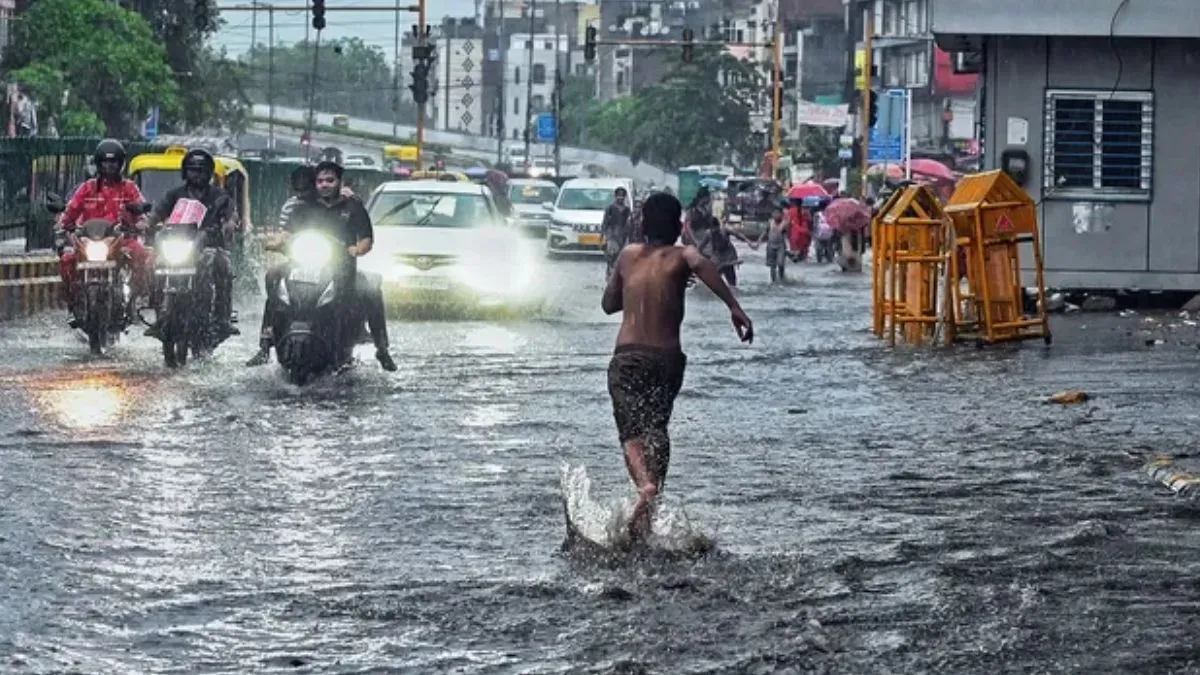
For the Delhi-NCR region, the question of imminent rainfall remains a focal point for city planners and the agricultural community alike. The IMD suggests that while the intensity in the capital is not expected to match the extreme levels seen in the western regions, the region is highly susceptible to "pop-up" thunderstorms. These localized events are driven by high humidity and surface heating, often resulting in sudden, heavy showers that can cause significant traffic disruptions and flash flooding in low-lying areas.
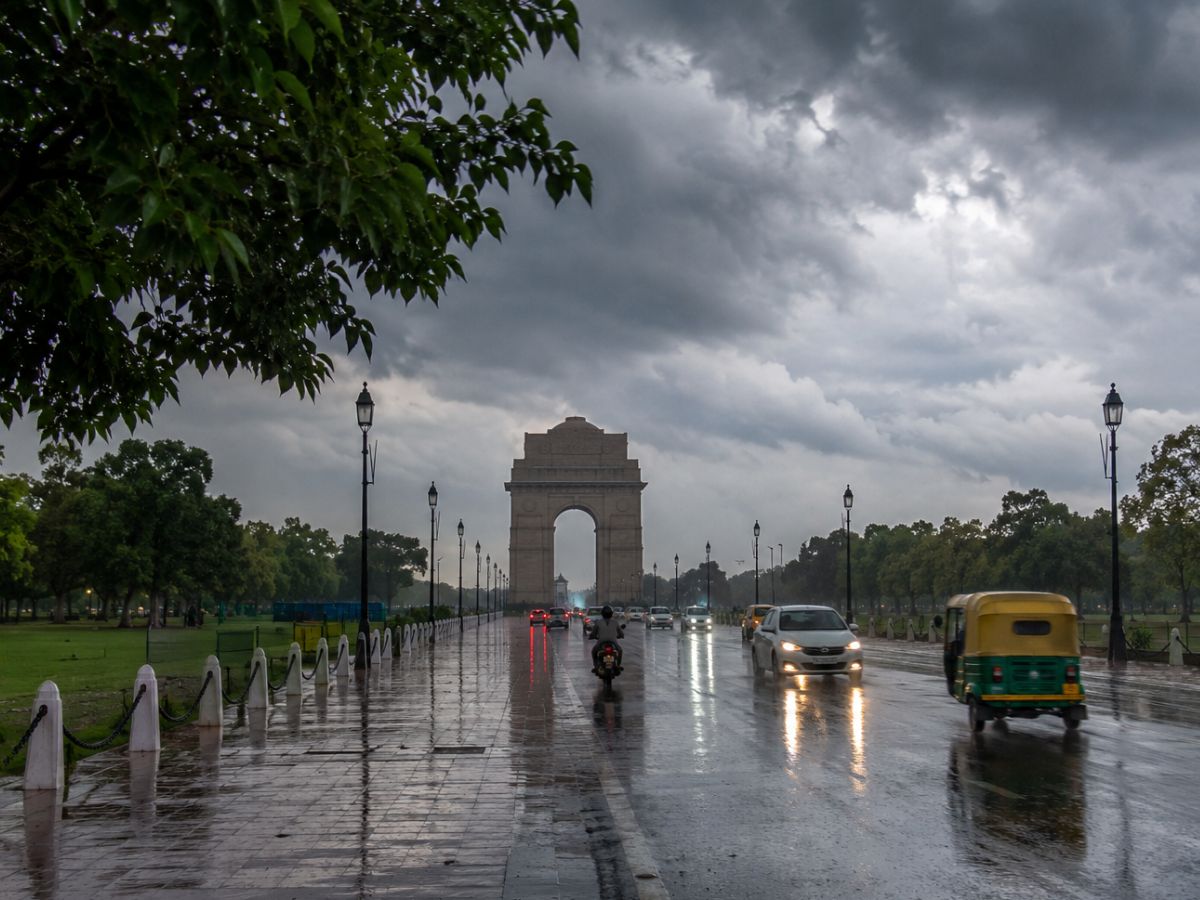
Residents in Noida, Gurugram, and Ghaziabad should anticipate overcast conditions with a high probability of intermittent light to moderate rain. The IMD’s predictive models suggest that while the monsoon flow is currently favoring the western coast, the peripheral influence of these systems will keep the atmosphere over the NCR unstable throughout the week.
What This Means for Farmers
For the agricultural sector, the current weather trajectory presents a mixed bag of challenges and opportunities. Farmers in Gujarat and Madhya Maharashtra are advised to take immediate precautions to ensure proper drainage in their fields. Stagnant water in standing crops, particularly in low-lying areas, can lead to fungal infections and crop rot. It is recommended that farmers clear irrigation channels and check for waterlogging to prevent long-term damage to soil structure.
In Northern India, specifically in Punjab and Himachal Pradesh, the threat of flash floods necessitates a proactive approach to farm management. Farmers should avoid the application of chemical fertilizers or pesticides immediately before forecasted rainfall, as the runoff will render these inputs ineffective and contribute to environmental degradation. Instead, prioritize soil moisture management and monitor for signs of pest outbreaks that often follow high-humidity events.
Across the Delhi-NCR periphery, farmers engaged in peri-urban agriculture should secure temporary structures and ensure that harvesting equipment is protected from sudden, intense squalls. Given the unpredictability of the current monsoon phase, maintaining close contact with local Krishi Vigyan Kendra (KVK) advisories is essential. Economic impacts remain a concern, as delayed harvests and potential crop damage due to excessive moisture may influence local market supply and pricing in the coming weeks. Stakeholders are encouraged to monitor the IMD’s hourly updates to make informed decisions regarding field operations and logistics.