
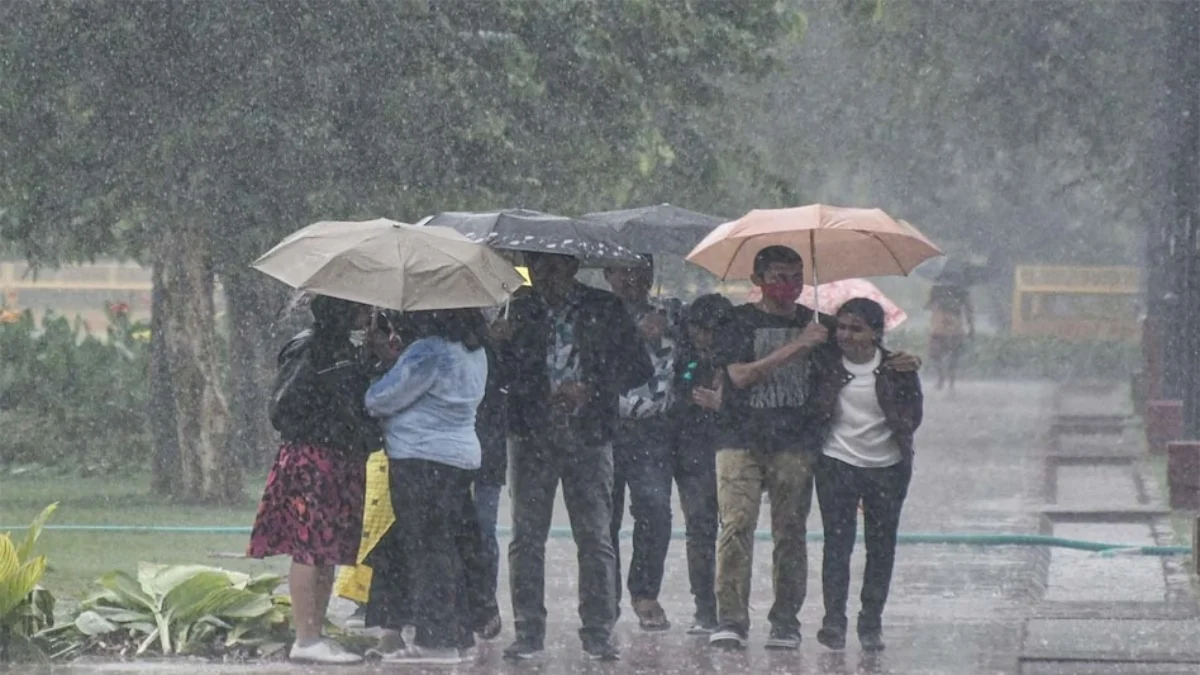
IMD Issues High-Alert for Heavy Rainfall Across Northern and Eastern India
The India Meteorological Department (IMD) has issued a comprehensive weather alert as a significant cyclonic system brewing in the Bay of Bengal converges with an active monsoon trough. This meteorological combination is expected to bring intense precipitation to several states, with Uttar Pradesh and Bihar emerging as the primary focal points for heavy rainfall. The ongoing monsoon season, which has already demonstrated significant variability across the subcontinent, is entering a new phase of heightened activity, prompting authorities to advise caution for residents and agricultural stakeholders alike.
Meteorological data indicates that the low-pressure area currently forming over the Bay of Bengal is drawing moisture deep into the interior of the country. This influx of atmospheric moisture, combined with the shifting position of the monsoon trough—which is currently passing through the heart of the Gangetic plains—has created ideal conditions for widespread, heavy downpours. While monsoon activity remains robust across much of the nation, the current focus of the IMD is on the northern and eastern corridors, where soil saturation levels and drainage capacity are being closely monitored.
Meteorological Dynamics Driving the Current Weather Patterns
The current weather volatility is the result of a classic monsoon interaction. When the monsoon trough aligns with moisture-laden winds from the Bay of Bengal, the resulting convective activity often leads to rapid cloud formation and intense, localized rainfall. In states like Uttar Pradesh and Bihar, these conditions are exacerbated by the unique topography of the Indo-Gangetic plain, which can trap moisture and sustain rainfall events for extended periods.
Beyond the immediate impact on Uttar Pradesh and Bihar, the IMD reports that the monsoon remains active across several other regions. Coastal areas are experiencing typical seasonal surges, while central India continues to see intermittent, heavy showers. The persistence of this weather pattern suggests that the monsoon is not yet in a withdrawal phase; rather, it remains in a state of flux, capable of delivering substantial precipitation even as the calendar progresses. Meteorologists are maintaining a 24-hour watch on the cyclonic system to determine whether it will intensify into a more significant weather disturbance or gradually dissipate as it moves inland.
Infrastructure and Agricultural Preparedness
The IMD’s forecast serves as a critical warning for state disaster management authorities. In regions prone to waterlogging, such as the low-lying agricultural belts of Bihar and parts of eastern Uttar Pradesh, the heavy rainfall poses a risk to standing crops. Drainage systems, which may have been under stress from earlier monsoon spells, are being tested once again. The primary concern for civil authorities is ensuring that urban drainage and rural water management systems remain functional to prevent large-scale flooding.
From an agricultural standpoint, the timing of these rains is a double-edged sword. While the moisture is essential for the late-stage development of kharif crops, excessive accumulation can lead to waterlogging, which stifles root respiration and promotes fungal diseases. Agronomists are currently advising farmers in the affected zones to prioritize field drainage and monitor for signs of pest infestations, which often spike in the wake of high-humidity, heavy-rain events.
What This Means for Farmers
For the farming community, this IMD alert necessitates immediate and proactive field management. The following steps are recommended to mitigate the risks associated with the predicted heavy rainfall:
- Prioritize Drainage: Ensure that field channels are clear of debris and vegetation to allow for the rapid runoff of excess water. Preventing water stagnation is critical to protecting crop health during this period of intense precipitation.
- Monitor for Pathogens: High humidity and waterlogged soil are ideal conditions for the rapid spread of fungal pathogens and bacterial blights. Farmers should scout fields regularly for early signs of leaf spots or wilting and be prepared to apply recommended fungicides if the weather window permits.
- Delay Fertilizer Applications: It is advisable to postpone the application of nitrogenous fertilizers until after the heavy rain spell. Heavy downpours can lead to significant nutrient leaching, rendering the fertilizer ineffective and contributing to environmental runoff.
- Post-Harvest Safeguards: For farmers who have already begun harvesting early-maturing varieties, ensure that produce is stored in elevated, moisture-proof areas to prevent spoilage. Moisture content in harvested grains should be monitored closely to avoid fungal growth in storage.
- Stay Informed: Weather conditions can shift rapidly during the monsoon. Farmers are encouraged to keep track of localized IMD updates and district-level agro-meteorological advisories, which provide specific guidance tailored to regional crop cycles.


