Gujarat Monsoon Recovery: A Dramatic Shift from Drought to Excess
The agricultural landscape of Gujarat has undergone a staggering transformation over the past seven days. Following a prolonged and worrying dry spell that characterized the majority of July, the state has officially exited its rainfall deficit phase, shifting abruptly into a state of excess precipitation. The sudden arrival of sustained, widespread heavy showers has rejuvenated parched soil profiles, filled depleted reservoirs, and provided a much-needed lifeline to the kharif sowing season.
Meteorological data indicates that the state-wide rainfall average has climbed rapidly, overcoming a significant shortfall that had begun to raise alarms among agricultural policymakers and farming communities alike. This rapid recovery serves as a testament to the erratic nature of the monsoon, where a single week of intense weather activity can entirely rewrite the narrative of an entire agricultural cycle. However, while the broader state average paints a picture of abundance, the distribution remains deeply uneven, leaving localized pockets of significant concern.
Geographical Disparities and the "Dwarka Gap"
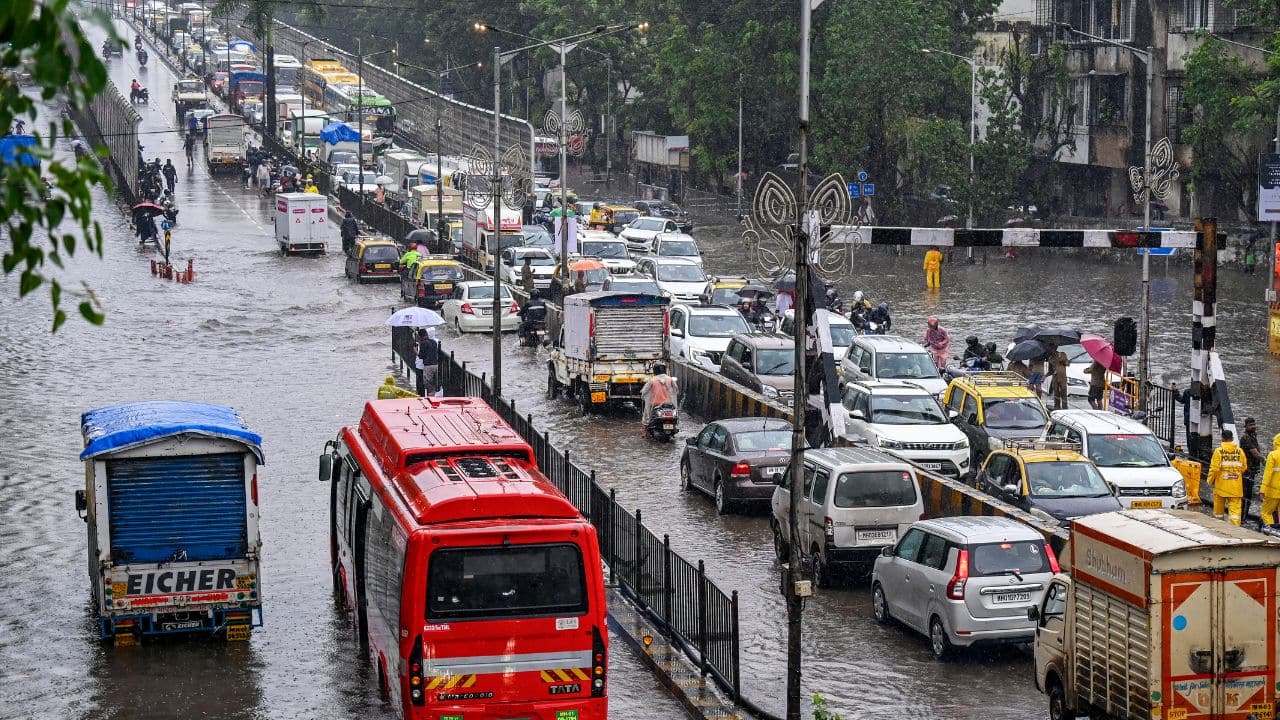
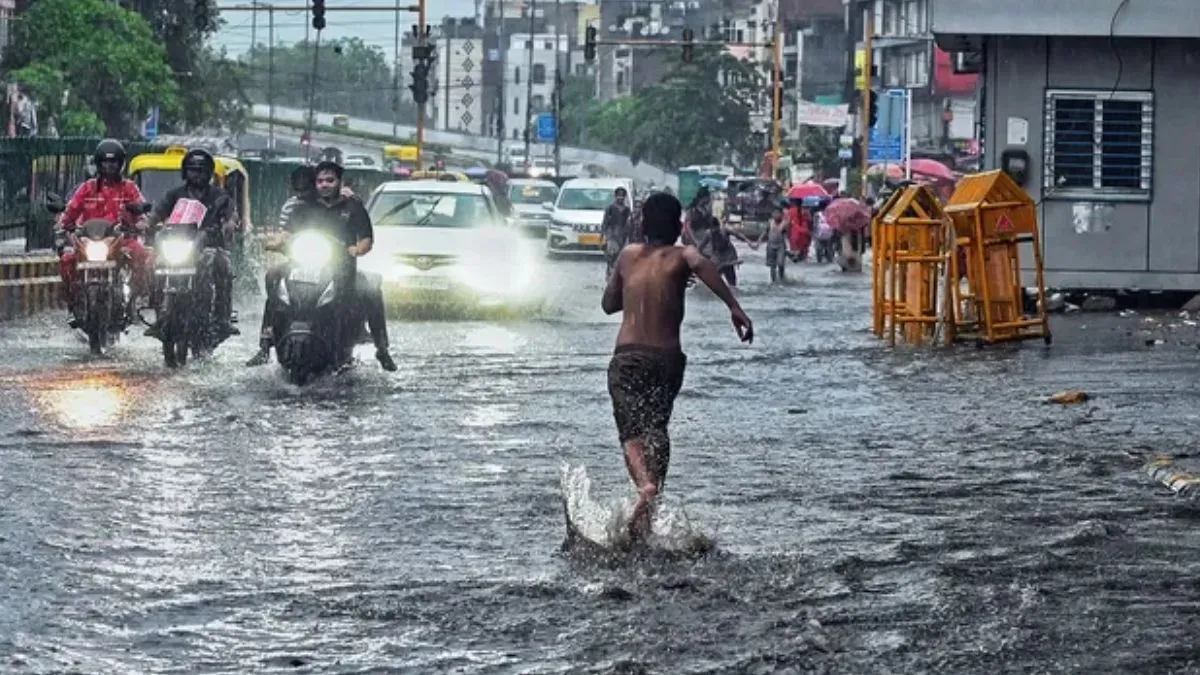
While central and southern regions of Gujarat have been battered by relentless rainfall—leading to localized flooding and the saturation of agricultural fields—the northwestern edge of the state continues to experience a starkly different reality. The Dwarka region, in particular, remains locked in a rain shadow, waiting for the active monsoon currents that have brought relief to the rest of the state.
This spatial variability highlights the challenges of monsoon forecasting and the inherent vulnerability of rain-fed farming. In regions that have received excess rain, the primary concern has shifted from drought mitigation to soil management, particularly regarding waterlogging and the leaching of essential nutrients. Conversely, in Dwarka and surrounding arid zones, farmers are facing a deepening crisis. The delay in monsoon onset in these specific districts threatens to push the planting window for essential crops beyond the optimal agronomic threshold, potentially resulting in reduced yields or the necessity of switching to shorter-duration, lower-value crop varieties.
The Agronomic Impact of Sudden Rainfall
The abrupt shift from dry conditions to extreme saturation presents a complex scenario for crop health. Crops that were previously stressed by water deficit are now contending with sudden, high-volume irrigation. Agronomists note that while this moisture is vital for the vegetative growth phase of crops like cotton, groundnut, and pulses, it also creates an environment conducive to fungal infections and pest outbreaks. The rapid accumulation of water in low-lying areas can lead to root asphyxiation, where the lack of soil oxygen inhibits nutrient uptake, effectively stalling plant growth despite the abundance of water.
Furthermore, the physical impact of heavy rainfall—often accompanied by high winds—can lead to the lodging of taller crops, causing physical damage that is difficult to reverse. The agricultural sector must now balance the benefits of replenished groundwater tables against the immediate risks of soil erosion and surface runoff. Effective water management, through the cleaning of drainage channels and the application of balanced fertilizers, is now the priority for farmers in the saturated zones.
What This Means for Farmers
For the farming community across Gujarat, this shift requires a highly adaptive management strategy based on regional conditions:
- In Excess Rainfall Zones: Prioritize soil drainage immediately. Stagnant water is the primary enemy of root health at this stage. Farmers should monitor their fields closely for early signs of fungal blight or increased pest activity, which often thrive in high-humidity, post-deluge environments. If soil nitrogen has been leached by heavy runoff, consider split-application of fertilizers to ensure crops receive nutrients as they recover from the sudden influx of water.
- In Rain-Deficient Zones (Dwarka): Adopt a "wait-and-watch" approach regarding crop selection. If the planting window for primary crops has closed, consult with local agricultural extension offices regarding drought-tolerant, short-cycle varieties that can still produce a viable harvest. Focus on moisture conservation techniques, such as mulching, to retain whatever limited soil moisture is currently available.
- Economic Outlook: The shift to excess rainfall may stabilize market prices for key commodities by ensuring a better-than-expected harvest in the central and southern belts. However, farmers should prepare for potential supply chain disruptions if heavy rains have compromised rural infrastructure or transport logistics. Keep a close eye on local market alerts and prioritize the storage of harvested or vulnerable inputs in elevated, dry locations to prevent spoilage.