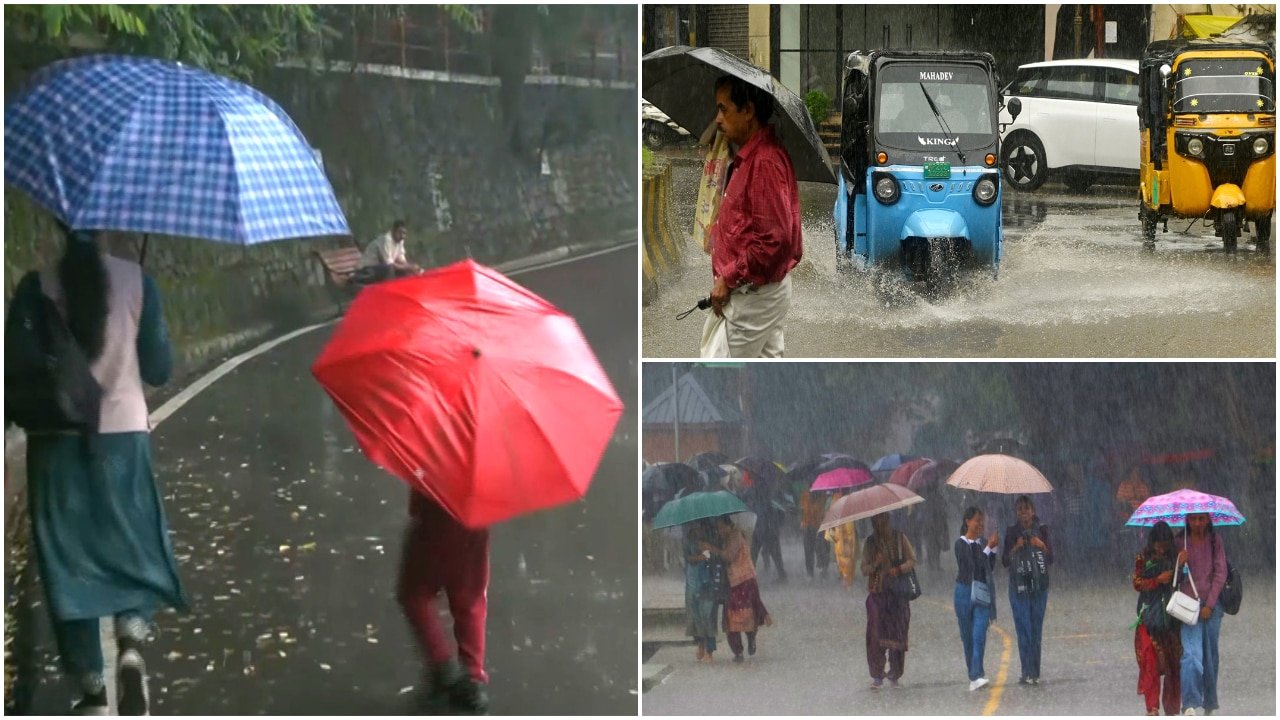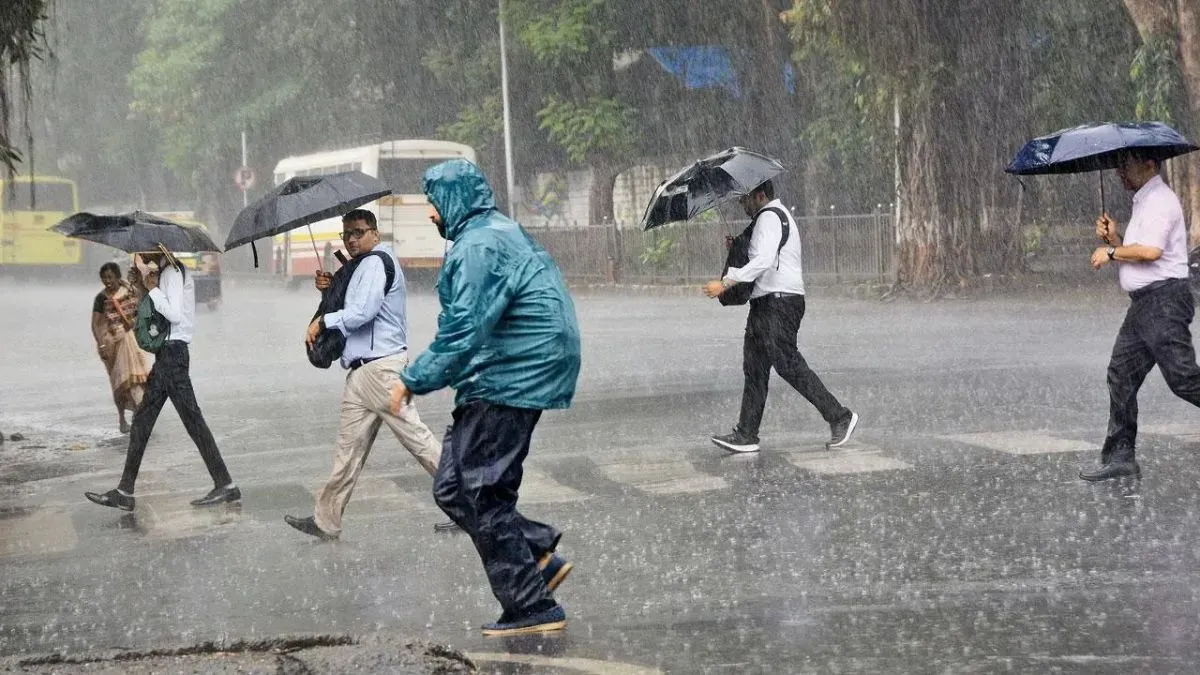
Unsettled Weather Patterns Forecast Across Gujarat: Widespread Rain and Thunderstorms Expected
Agricultural operations across Gujarat are facing a period of atmospheric volatility as regional meteorological authorities issue alerts for light to moderate rainfall accompanied by thunderstorms. The current weather system is expected to impact a broad swathe of the state, stretching from the arid landscapes of Kutch to the fertile southern coastal districts. Farmers and local communities are being advised to remain vigilant as these systems move across the region, potentially affecting harvesting schedules, post-harvest storage, and field management practices.
The forecast highlights a significant shift in weather conditions, moving away from the dry spells that have characterized recent weeks. Meteorological models indicate that atmospheric instability is driving these developments, with moisture-laden winds interacting with local temperature gradients. This combination is expected to trigger convective activity, leading to isolated to scattered thunderstorm events throughout the day.
Regional Impact: From Kutch to South Gujarat
The impact of this weather front is geographically diverse, reflecting the unique climatic zones of the state. In the Saurashtra and Kutch regions, where the landscape is often defined by water scarcity and reliance on groundwater, the arrival of rain can be a double-edged sword. While the precipitation may provide a temporary respite for local vegetation, the associated thunderstorms pose a risk of localized wind damage and sudden downpours that can lead to rapid soil saturation.
Simultaneously, the southern districts—including Surat, Navsari, and Valsad—are bracing for active weather conditions. These regions, which are critical hubs for horticulture and cash crops, are particularly sensitive to sudden changes in moisture levels. The forecast suggests that the coastal belt will experience the brunt of the atmospheric pressure shifts, which may lead to increased cloud cover and periodic showers throughout the day. The intensity of the rain is expected to remain in the light-to-moderate category, yet the accompanying electrical activity poses safety concerns for agricultural labor working in open fields.
Agronomic Considerations and Field Management
As these weather systems cross the state, the primary concern for the agricultural sector remains the protection of standing crops and harvested produce. In areas where harvesting is currently underway, the sudden onset of rain and thunderstorms can lead to significant post-harvest losses. Moisture accumulation in grains and pulses, if not managed correctly, can facilitate the growth of molds and fungal pathogens, potentially compromising the quality and market value of the yield.
Furthermore, the meteorological department has noted that the convective nature of these storms often results in uneven rainfall distribution. Some pockets may receive substantial moisture, while neighboring areas may experience only light drizzles. This variability makes it difficult for irrigation scheduling, and farmers are encouraged to rely on localized observations rather than broad regional forecasts when making decisions regarding water application or fertilizer top-dressing, as heavy runoff could lead to nutrient leaching in sensitive soil types.
What This Means for Farmers
The current weather forecast necessitates a proactive approach to farm management to minimize risk and ensure crop safety. Farmers should prioritize the following actions to mitigate the potential negative impacts of the incoming weather front:
- Secure Harvested Produce: If crops have already been harvested, ensure they are moved to covered storage facilities or protected with waterproof tarpaulins. Avoiding moisture contact at this stage is critical to preventing post-harvest spoilage and mycotoxin development.
- Monitor Field Drainage: In low-lying fields, ensure that irrigation channels and drainage ditches are clear of debris. Effective drainage will prevent waterlogging, which can cause root rot and stunt the development of sensitive vegetable crops.
- Safety During Thunderstorms: Agricultural workers should be advised to seek shelter during periods of intense lightning and high winds. Avoid working with metal tools or standing near isolated trees and power lines during thunderstorm activity.
- Review Fertilizer Schedules: Delay the application of nitrogen-based fertilizers if heavy rain is expected within the next 24 to 48 hours. Rainfall runoff can wash away granular fertilizers before they are absorbed by the soil, leading to both economic loss and environmental degradation.
- Market Planning: Keep a close watch on local market logistics. Inclement weather can disrupt rural transport networks; coordinating with local traders and cooperatives in advance can help ensure that produce reaches the market before weather-related bottlenecks occur.
By staying informed through official updates and taking preventative measures, the farming community can better navigate this period of weather instability and preserve the productivity of the current season.