Gujarat Braces for Sustained Monsoon Deluge as IMD Issues Multi-District Alerts
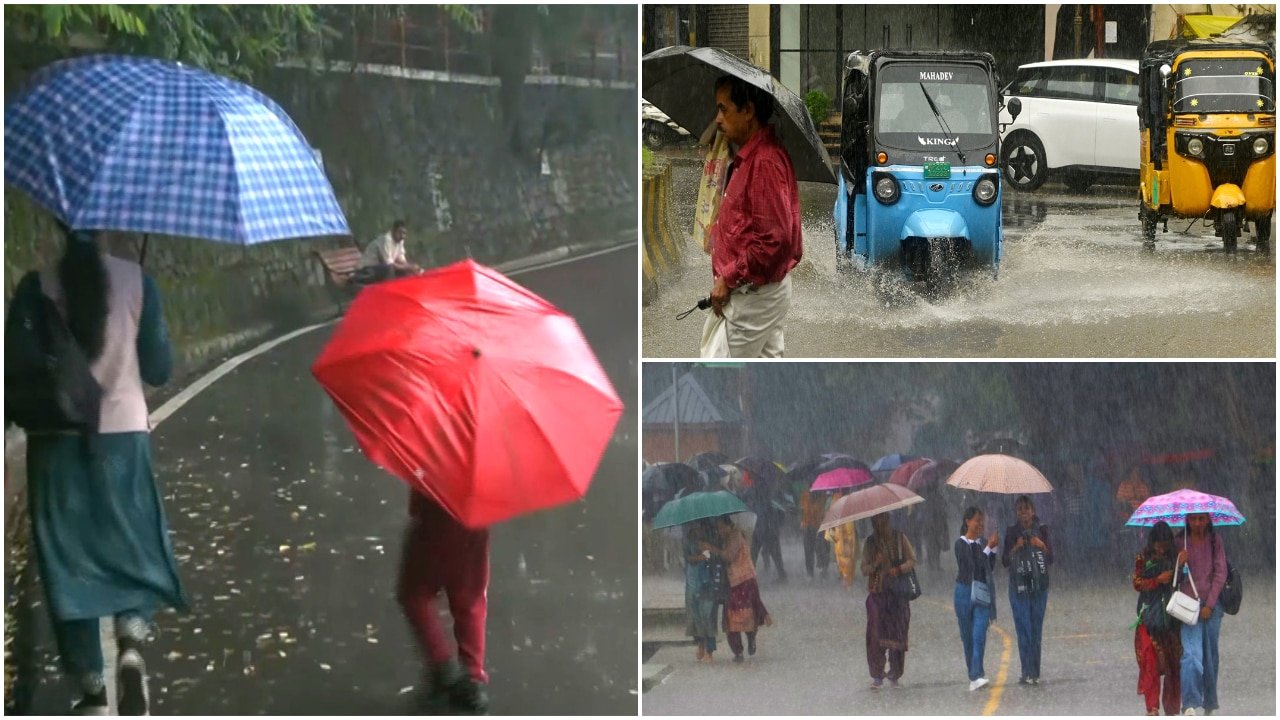
The monsoon season in Gujarat has entered a critical phase as meteorological authorities confirm that heavy rainfall is expected to persist across the state for the next seven days. An active weather system originating over the Arabian Sea has intensified, drawing significant moisture inland and creating conditions conducive to widespread precipitation. The India Meteorological Department (IMD) has responded by issuing formal alerts for nine districts, signaling a period of heightened vigilance for agricultural sectors, local infrastructure, and disaster management agencies.
This sustained weather pattern is characterized by deep atmospheric instability, which is currently fueling heavy to very heavy rainfall across coastal and central regions. As the low-pressure system remains anchored near the coastline, the state is bracing for a week of persistent cloud cover and intermittent, high-intensity downpours. The IMD’s alert serves as a proactive measure to ensure that local authorities and farming communities are prepared for the potential impact of cumulative rainfall, which can lead to rapid saturation of soil and sudden spikes in water levels across regional river systems.
Atmospheric Drivers and Regional Impact
The current meteorological situation is driven by a strong moisture influx from the Arabian Sea, which has interacted with existing monsoon troughs to stabilize and deepen the rain-bearing systems. Unlike brief, localized storms, this weather event is regional in scope, meaning that the impact will be felt across a broad swath of Gujarat’s geography. The nine districts currently under alert are experiencing a significant shift in environmental conditions, with the IMD noting that the intensity is expected to fluctuate between moderate and heavy throughout the week.
For the affected districts, the primary concern remains the duration of the rainfall. Sustained precipitation over a seven-day period reduces the soil’s capacity to absorb additional water, increasing the likelihood of surface runoff and localized waterlogging. While the monsoon is vital for the state's water security, the concentration of rainfall within a short window poses specific challenges for irrigation management and drainage. Meteorologists are monitoring the movement of the offshore trough closely, as any shift in its position could alter the distribution of the heaviest rainfall, potentially expanding the alert zone if the system gains further momentum.
Agricultural Vulnerabilities and Crop Management
The timing of this weather system is critical for Gujarat’s agricultural calendar. Across the state, various crops are currently in stages of growth that are highly sensitive to moisture levels. Excessive rainfall can lead to root rot, nutrient leaching, and the proliferation of fungal pathogens, particularly in low-lying fields with inadequate drainage. Furthermore, the persistent cloud cover associated with these weather patterns limits the photosynthetic activity of crops, which may lead to stunted growth if the sunlight deprivation persists beyond the forecast period.
Farmers are being urged to monitor their fields closely for signs of water accumulation. In regions where standing water remains a threat, the maintenance of field channels is paramount to prevent long-term damage to root systems. The economic impact of such sustained rain can be twofold: while it replenishes vital groundwater aquifers and reservoir levels, it also risks damaging standing crops that are currently nearing maturity or are in the delicate flowering stage. Agricultural extension services are emphasizing the need for timely intervention to mitigate losses, including the application of protective measures where possible and the clearing of drainage pathways to allow for rapid water evacuation.
What This Means for Farmers
For the farming community in the affected districts, the coming week requires a shift toward defensive agronomy. The following points outline the immediate economic and practical considerations:
- Prioritize Field Drainage: Ensure that all drainage channels are clear of debris to prevent waterlogging. Rapid removal of excess water is the single most effective way to protect crop health during periods of heavy, sustained rain.
- Monitor for Pathogen Outbreaks: High humidity and consistent rainfall create the ideal environment for fungal and bacterial diseases. Farmers should be prepared to scout for signs of blight or rot and consult with local agricultural extension offices regarding the application of appropriate, weather-resistant treatments.
- Adjust Nutrient Management: Heavy rain often results in the leaching of nitrogen and other essential nutrients from the topsoil. Avoid applying fertilizers immediately before or during heavy downpours, as the nutrients will be washed away rather than absorbed by the plant. Wait for a break in the weather to resume application.
- Secure Harvested Produce: For farmers in the midst of harvesting or post-harvest processing, ensure that all collected produce is stored in elevated, moisture-proof, and well-ventilated areas. High humidity can lead to rapid spoilage and mycotoxin development in stored grains.
- Stay Informed: Weather patterns can shift rapidly. Farmers should rely on official updates from the IMD and state agricultural departments rather than speculative reports, ensuring that their decision-making is based on the most accurate and current meteorological data available.