
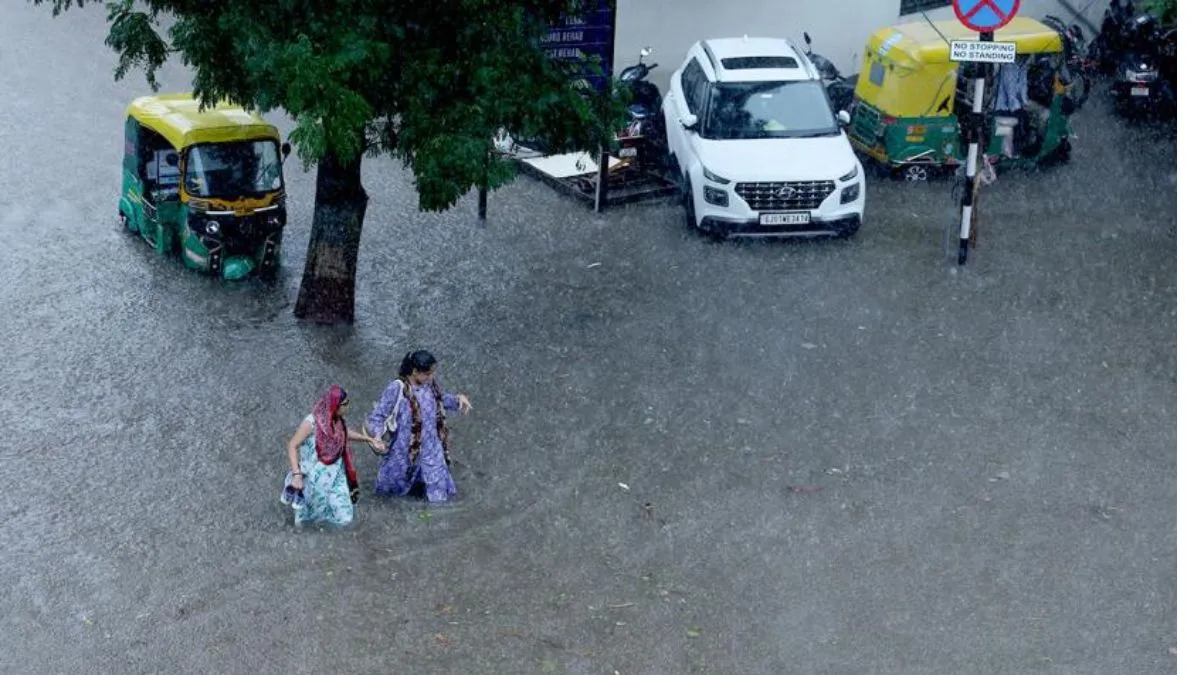
Severe Weather Crisis: Gujarat Faces Widespread Inundation as IMD Issues High-Level Alerts
The state of Gujarat is currently grappling with a severe meteorological crisis as relentless monsoon rains continue to lash the region, triggering widespread flooding and infrastructure strain. The India Meteorological Department (IMD) has escalated its response, issuing a red alert for 15 districts, including the major urban centers of Ahmedabad and Vadodara. The intensity of the rainfall has pushed local emergency response teams to their operational limits, with authorities warning of continued heavy downpours in the coming 48 hours.
The current weather pattern is characterized by a deep depression over the region, which has resulted in persistent, high-intensity precipitation. Meteorological data indicates that rural and urban centers alike are struggling to manage the volume of water, with drainage systems overwhelmed and low-lying areas reporting significant waterlogging. In Surat district, the Ambika Taluka has emerged as a focal point of the crisis, recording an unprecedented volume of over 24 inches of rainfall within a short timeframe, highlighting the localized severity of the current weather event.
Infrastructure Strain and Emergency Preparedness
The impact of the ongoing deluge is being felt across multiple sectors, with municipal and state authorities scrambling to prevent loss of life and property. In addition to the 15 districts under a red alert—which signifies a high probability of severe weather conditions and necessitates immediate protective measures—the IMD has placed 21 other districts under an orange alert. This classification indicates that while the situation is currently manageable, the potential for rapid deterioration remains high, requiring residents and officials to remain in a state of heightened vigilance.
Emergency response teams, including state and national disaster relief forces, have been deployed to the most affected areas to conduct rescue operations and manage evacuations where necessary. The heavy rain has disrupted road connectivity, damaged rural infrastructure, and caused significant concerns regarding the safety of livestock. Local administrations are coordinating with utility providers to manage power outages and ensure that critical facilities, such as hospitals and emergency shelters, remain operational despite the flooding.
Agricultural Vulnerability and Crop Risks
For Gujarat’s agrarian economy, this extreme weather event arrives at a critical juncture. Sustained heavy rainfall over an extended period poses a significant threat to standing crops, particularly in regions where soil saturation has reached its maximum capacity. Beyond the immediate threat of flooding, the prolonged moisture creates an environment conducive to fungal pathogens and root-rot diseases, which can severely compromise crop yields even after the waters recede.
Furthermore, the physical impact of high-velocity rain can lead to the lodging of crops, particularly in fields that are currently in a vulnerable growth stage. Soil erosion is another pressing concern, as the topsoil in many districts is being stripped away by runoff, potentially affecting long-term soil fertility and nutrient management for the remainder of the Kharif season.
What This Means for Farmers
The current weather situation demands immediate and decisive action from the farming community to mitigate potential losses. Farmers are strongly advised to prioritize the following measures:
- Drainage Management: Where possible, ensure that field drainage channels are clear of debris to facilitate the rapid removal of excess water. Stagnant water is the primary cause of crop mortality in flooded conditions.
- Disease Monitoring: As the weather begins to clear, the high humidity levels will likely trigger pest and disease outbreaks. Farmers should be prepared to conduct field inspections for signs of fungal infections or pest resurgence and consult local agricultural extension officers regarding appropriate, timely interventions.
- Livestock Safety: Move cattle and other livestock to elevated, dry ground immediately. Ensure that fodder supplies are kept in moisture-proof storage to prevent rot and contamination.
- Infrastructure Assessment: Do not attempt to access flooded fields until water levels have receded significantly. Once safe to do so, document any crop damage for insurance purposes and report significant losses to local district agricultural offices to facilitate potential government relief efforts.
- Market Preparedness: Expect short-term disruptions in supply chains and logistics. Farmers should monitor local market updates and storage conditions, as transport of perishables may face delays due to road closures and waterlogged transit routes.
As the IMD continues to monitor the movement of the monsoon system, farmers are encouraged to rely on official channels for weather updates and to avoid venturing into areas where flood warnings are in effect. Proactive management and adherence to safety protocols remain the best defenses against the volatile nature of this monsoon season.


