Gujarat Monsoon Deluge: Infrastructure Strained as Urban Centers Face Severe Flooding
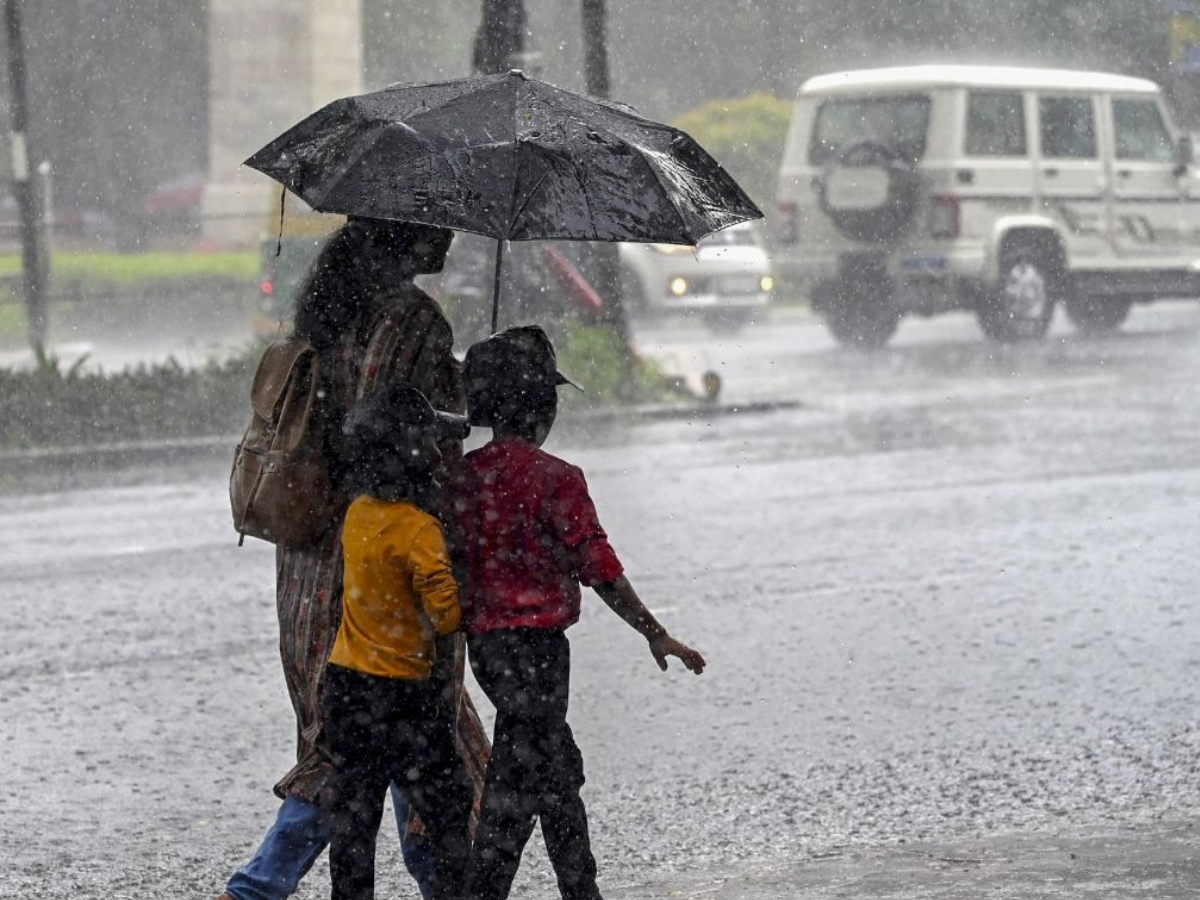
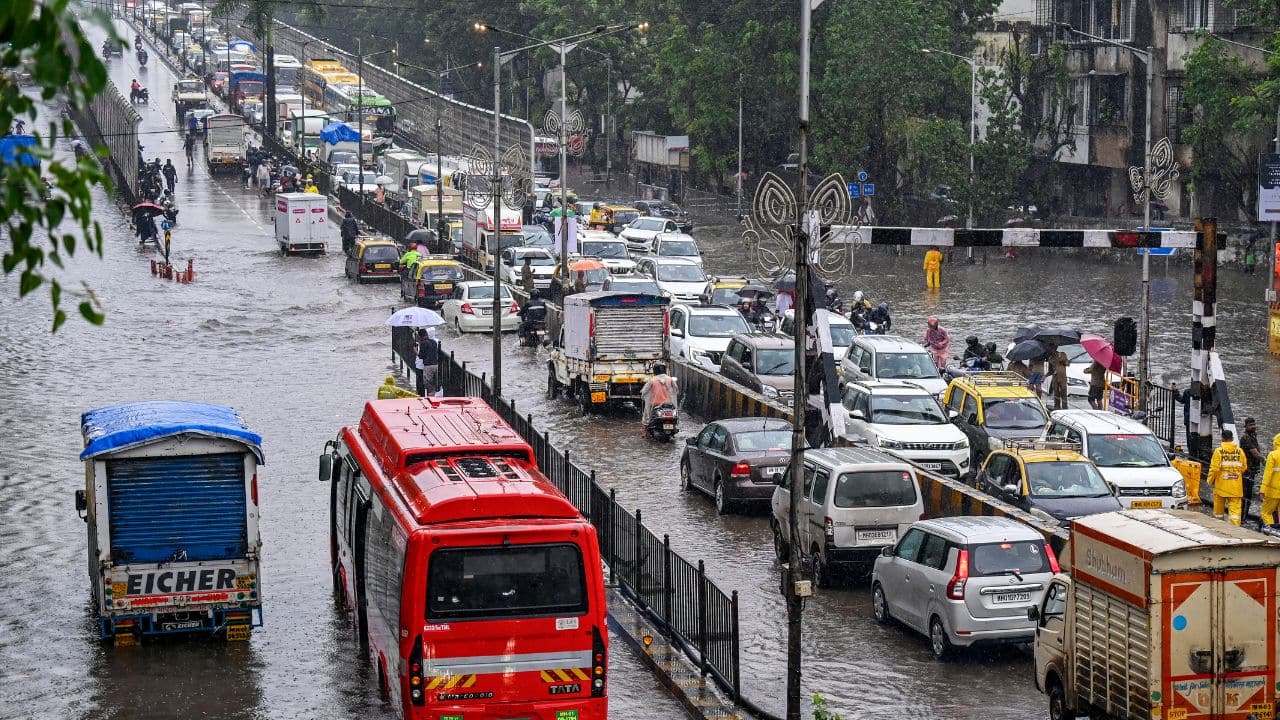
The state of Gujarat is currently grappling with a severe meteorological crisis as relentless monsoon rainfall continues to batter the region, leading to widespread inundation across major urban centers. The sheer volume of precipitation over the past several days has overwhelmed municipal drainage systems, transforming bustling city streets into waterlogged corridors and forcing a complete halt to normal daily operations. From low-lying residential neighborhoods to critical commercial districts, the impact of the heavy downpours is visible, with significant disruptions to transport, utilities, and public safety infrastructure.
Meteorological data indicates that the current weather pattern is a result of a deep depression lingering over the region, drawing moisture from the Arabian Sea. This sustained atmospheric instability has resulted in continuous, heavy rainfall that has exceeded the carrying capacity of urban storm-water management systems. As water levels rise, city administrations have been forced to deploy emergency response teams to manage evacuations and conduct rescue operations in the hardest-hit sectors, where ground-floor residences have been compromised by rising floodwaters.
The Mechanics of Urban Inundation and Infrastructure Stress
The current flooding crisis in Gujarat serves as a stark reminder of the challenges posed by rapid urbanization in regions prone to high-intensity monsoon events. When high-intensity rainfall persists for an extended duration, the primary issue is not just the volume of water, but the rate at which it accumulates compared to the speed of drainage. In many of Gujarat’s rapidly expanding cities, the proliferation of concrete surfaces—which are largely impermeable—has significantly reduced the natural soil absorption capacity of the landscape.
As the drainage networks struggle to process the runoff, the resulting stagnation creates a cascade of secondary problems. Public health risks are a primary concern, as floodwaters often mix with sewage and industrial runoff, leading to the potential for waterborne disease outbreaks. Furthermore, the disruption to power distribution networks, necessitated by safety protocols to prevent electrocution in submerged areas, has left thousands of households without electricity. Transport hubs, including major arterial roads and transit interchanges, have become impassable, severing supply chains and preventing the movement of essential goods and services across the state.
Agricultural Vulnerabilities in the Wake of Excess Moisture
While urban flooding captures the immediate headlines, the impact of this extreme weather event extends far beyond the city limits into the agrarian hinterlands of Gujarat. Excessive rainfall, particularly when it occurs in such a concentrated timeframe, poses a severe threat to standing crops. For farmers, the primary concern is the physical damage to plants caused by waterlogging, which can lead to root rot and nutrient leaching. In fields where crops have already reached the reproductive stage, the saturated soil conditions can significantly diminish yield potential and quality.
Beyond the immediate crop damage, the persistent humidity and moisture create a high-risk environment for fungal pathogens and bacterial infections. Farmers are now facing the daunting task of assessing field conditions once the water recedes, with many anticipating the need for additional soil amendments and disease management interventions. The logistical challenges of moving inputs and harvested produce have also been severely hampered, as rural road networks remain degraded or blocked by the ongoing deluge.
What This Means for Farmers
For the agricultural community in Gujarat, this period of intense rain necessitates a shift toward immediate damage mitigation and long-term resilience planning. Farmers are advised to prioritize the following actions to protect their livelihoods:
- Field Drainage Management: Once the intensity of the rain subsides, farmers should prioritize clearing existing drainage channels to help remove standing water from fields as quickly as possible. Reducing the duration of waterlogging is critical to preventing permanent root system failure.
- Disease Monitoring: The high-humidity environment is a catalyst for fungal diseases. Producers should prepare to conduct aggressive scouting for signs of blight, rust, or mold once field access is restored. Early detection and targeted application of fungicides may be necessary to save remaining yield potential.
- Soil Nutrient Assessment: Heavy rains often lead to the leaching of nitrogen and other essential nutrients from the topsoil. Farmers should consult with local agricultural extension offices regarding soil testing and the potential need for supplemental fertilization once the soil moisture levels stabilize.
- Supply Chain Resilience: The disruption to transport networks highlights the importance of on-farm storage solutions. For future seasons, investing in localized storage and protective infrastructure can help mitigate the impact of temporary regional transport blockages, ensuring that produce is not lost due to an inability to reach markets.
- Risk Management: This event underscores the necessity of robust crop insurance coverage. Farmers should ensure that all damage is documented thoroughly through photographic evidence and reported to relevant authorities within the specified timeframes to facilitate potential compensation claims.
As the state government and disaster relief agencies continue to manage the immediate urban crisis, the agricultural sector must prepare for a recovery phase that will require both intensive management and strategic investment to overcome the losses incurred by this extreme monsoon event.