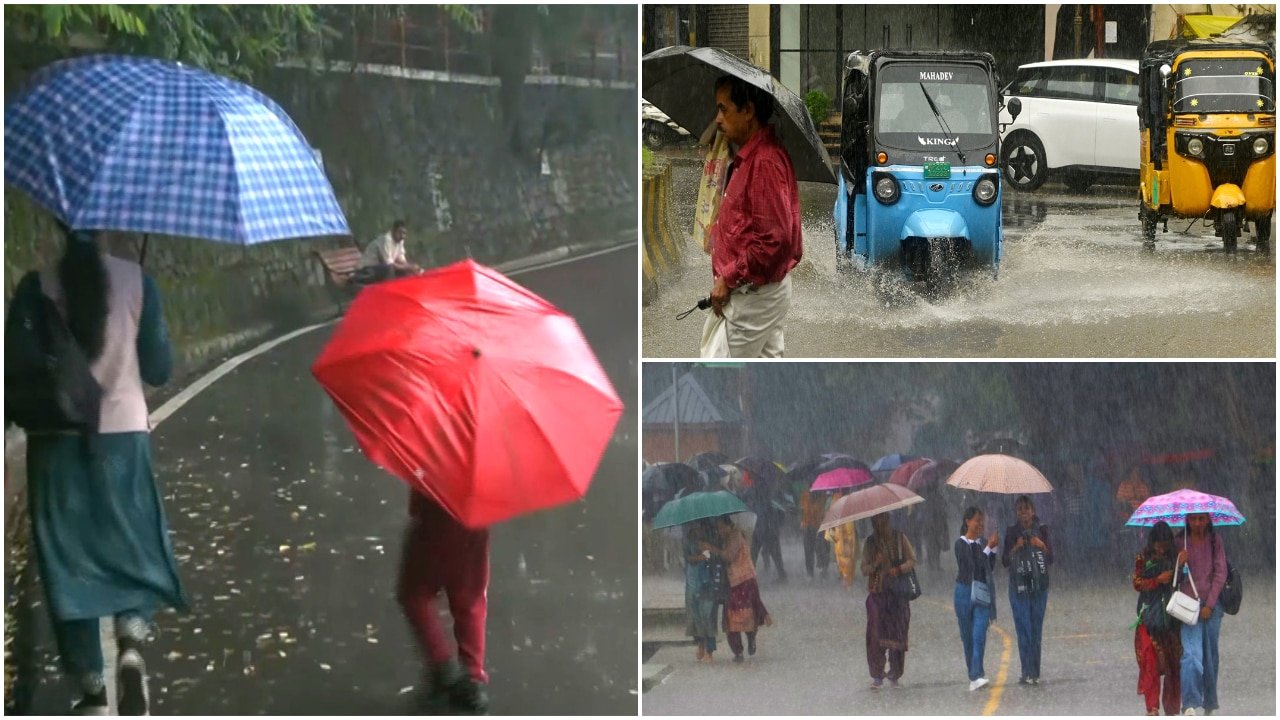
Severe Weather Warning: Red Alert Issued for Eastern Gujarat Districts as Monsoon Intensifies
The India Meteorological Department (IMD) has escalated its weather warnings for eastern Gujarat, issuing a rare "Red Alert" for the districts of Dahod, Panchmahal, and Mahisagar. This emergency designation comes as the southwest monsoon exhibits significant strengthening across the state, bringing persistent and high-intensity rainfall to regions already saturated from previous spells. Meteorological experts indicate that a cyclonic circulation, coupled with a moisture-laden low-pressure system, is currently driving this extreme weather event, posing immediate challenges for local infrastructure, agricultural stability, and public safety.
The intensification of the monsoon current is characterized by widespread, heavy to very heavy rainfall, with localized pockets expected to receive extremely heavy precipitation. While the monsoon is a critical driver of Gujarat’s agrarian economy, the current volume of water falling within a concentrated window creates a high risk of localized flooding, waterlogging in low-lying areas, and the potential for infrastructure disruption. District administrations across the affected regions have been placed on high standby, with disaster response teams deployed to mitigate risks associated with rising water levels in rivers and seasonal streams.
Hydro-Meteorological Dynamics and Regional Impact
The current weather pattern is being fueled by an active offshore trough and an atmospheric setup that is funneling moisture directly from the Arabian Sea into the heart of eastern Gujarat. For districts like Dahod, Panchmahal, and Mahisagar—which are characterized by undulating terrain and significant agricultural reliance—this influx of moisture is particularly sensitive. The topography in these regions often leads to rapid runoff, which, while beneficial for recharging groundwater aquifers in the long term, can lead to immediate soil erosion and the washing away of topsoil in unprepared fields.
The IMD’s forecast suggests that the intensity of the rainfall will likely persist for the next 48 to 72 hours, with the potential for the weather system to move slowly across the state. This slow-moving nature of the rain band is a primary concern for civil authorities, as it prolongs the saturation of the soil. When soil becomes completely saturated, its ability to absorb further rainfall drops to near zero, significantly increasing the probability of flash floods. Local agricultural departments are currently monitoring the status of small and medium irrigation dams, as sudden inflows may necessitate the release of water, further impacting downstream agricultural lands.
What This Means for Farmers
For the farming community in the affected districts, this Red Alert represents a period of critical management rather than routine operation. The immediate economic and agronomic implications are significant and require swift, decisive action to minimize potential crop losses.
- Prioritize Field Drainage: The most pressing concern is waterlogging. Farmers are advised to inspect their field drainage channels immediately to ensure that excess water can exit the crop canopy. Stagnant water for more than 24 to 48 hours can lead to root rot, particularly in pulse and vegetable crops, and may facilitate the onset of fungal diseases.
- Postpone Fertilizer and Pesticide Application: With heavy rainfall forecast, any application of granular fertilizers or foliar sprays will be rendered ineffective as the nutrients will be leached away by runoff. It is recommended to wait for a clear window of at least 24 hours before resuming chemical applications to ensure maximum absorption and cost-efficiency.
- Livestock Safety: Ensure that livestock are moved to higher, dry ground and that fodder supplies are stored in elevated, waterproof areas. The stress of extreme weather can make animals more susceptible to foot-and-mouth disease and other water-borne pathogens common during the monsoon.
- Monitor Market Access and Logistics: Heavy rain often disrupts rural connectivity. Farmers should anticipate potential delays in transport to local APMC (Agricultural Produce Market Committee) yards and adjust their harvest or post-harvest storage plans accordingly to protect produce from moisture damage.
- Crop Insurance Documentation: In the event of severe crop damage, farmers should maintain clear records or photographic evidence of their field conditions. Engaging with local agricultural extension officers or village level workers (VLWs) early can facilitate the reporting process for crop insurance claims under the Pradhan Mantri Fasal Bima Yojana (PMFBY).
While the monsoon remains the lifeblood of Gujarat’s agricultural sector, this extreme weather event underscores the need for climate-resilient farming practices. As the situation evolves, farmers are urged to stay tuned to local bulletins from the IMD and state agricultural authorities to receive real-time updates regarding the movement of the weather system.