Cultural Convergence: Saputara Monsoon Festival Highlights the Vital Link Between Agrarian Roots and Folk Heritage
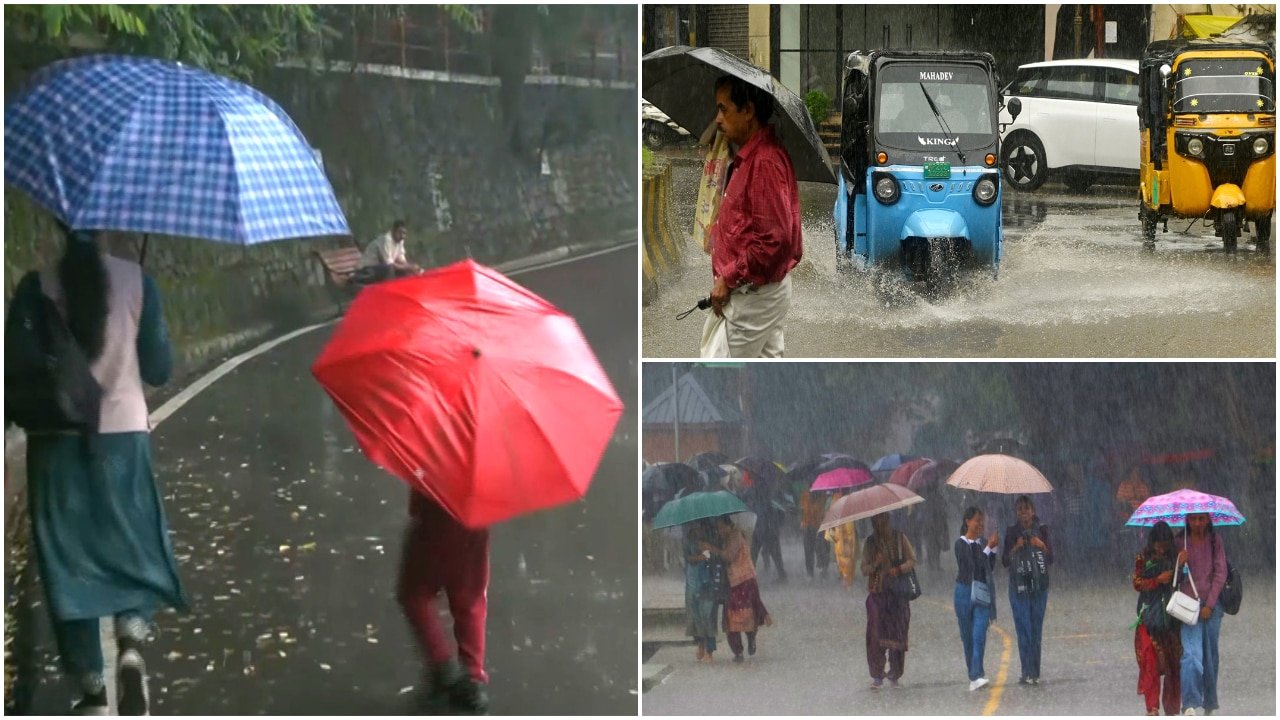
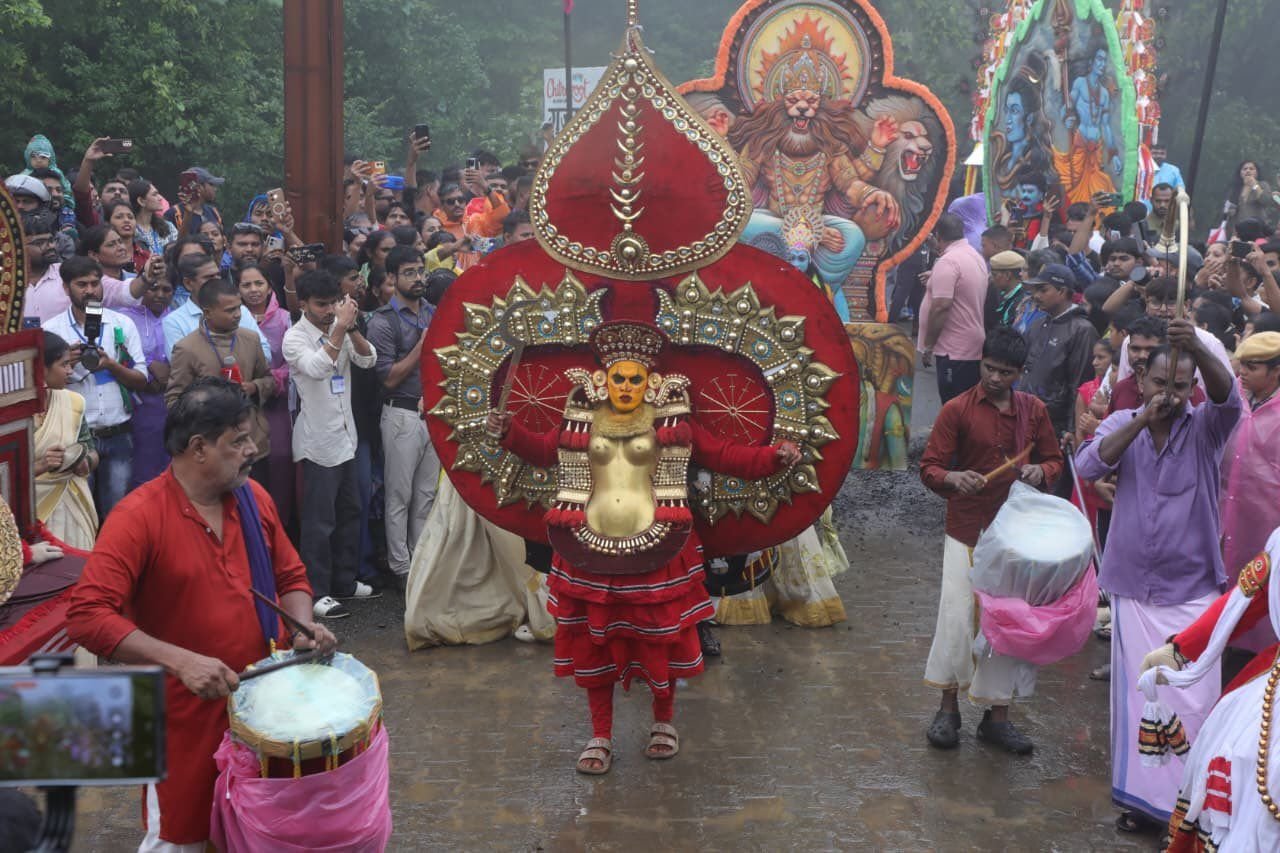
The lush, rain-drenched hills of the Dang district in Gujarat have transformed into a vibrant stage for cultural exchange as the Saputara Monsoon Festival officially gets underway. This year’s edition marks a significant milestone in regional tourism and cultural preservation, drawing together an expansive collective of over 300 artists from eight different states. By integrating the unique tribal traditions of Gujarat with a diverse array of folk expressions from across India, the festival serves as a powerful reminder of the enduring connection between the land, the monsoon season, and the communities that have cultivated these traditions for generations.
A Tapestry of Regional Traditions
The festival, set against the backdrop of the Western Ghats, acts as a bridge between geographically distant rural traditions. With more than 110 artists representing Gujarat’s own rich cultural landscape—specifically the indigenous practices of the Dang region—the event highlights the importance of local identity in an increasingly globalized world. The inclusion of performers from seven other states provides a comprehensive look at the folk music, dance, and artisanal crafts that define India’s agrarian heartlands.
For the Dang region, the monsoon is more than just a meteorological event; it is the lifeblood of the local agricultural economy. The festival leverages this season to showcase how regional folk art often mirrors the cycles of sowing, harvesting, and the communal celebration of rainfall. From rhythmic tribal dances that mimic the movement of crops in the wind to melodic folk songs that tell the history of local land cultivation, the performances offer attendees a window into the cultural soul of rural India. By hosting this convergence, the festival organizers aim to foster a deeper appreciation for the intangible heritage that often remains confined to remote villages.
Economic and Cultural Synergy in the Dang District
Beyond the immediate artistic spectacle, the Saputara Monsoon Festival plays a critical role in the economic development of the Dang district. As one of the most ecologically sensitive and culturally rich regions in Gujarat, the integration of tourism with traditional folk practices creates a sustainable model for local growth. The influx of visitors provides a direct platform for local artisans to showcase their crafts, ranging from traditional textiles to hand-carved wood products, which are intrinsic to the tribal economy of the area.
The collaborative nature of the event—bringing together artists from diverse linguistic and cultural backgrounds—also encourages the exchange of knowledge. Workshops and informal gatherings between the visiting performers and local residents help in documenting and preserving endangered folk forms. In an era where younger generations are increasingly moving toward urban centers, these festivals provide a vital incentive for maintaining artistic traditions by proving that culture can be a viable component of the rural economy.
What This Means for Farmers
For the farming community in the Dang region and beyond, the Saputara Monsoon Festival offers several practical takeaways and long-term economic considerations:
- Diversification of Income Streams: Large-scale cultural events create a surge in demand for local produce, dairy, and artisanal goods. Farmers who participate in agrotourism or provide direct-to-consumer services during these festivals can significantly supplement their income beyond traditional crop cycles.
- Promotion of Value-Added Products: The festival serves as a premium marketplace. Farmers and rural cooperatives are encouraged to move toward value-added products—such as organic, region-specific grains or traditional handicrafts—which command higher prices from tourists than raw commodities.
- Community Branding: The visibility brought by such festivals helps in "branding" the region. When a district becomes synonymous with unique cultural heritage, it enhances the marketability of local agricultural products, effectively creating a "geographical indication" effect that can lead to better price realization for local farmers.
- Preservation of Traditional Knowledge: The emphasis on folk traditions encourages younger generations to value rural life. By stabilizing the local economy through tourism and cultural trade, farmers can help ensure that the next generation remains engaged in the agricultural stewardship of the land, preserving both the crops and the customs that make the region unique.
As the Saputara Monsoon Festival continues to grow, it reaffirms that the strength of India’s rural regions lies in the marriage of its agricultural productivity and its deep-rooted cultural legacy. For the farmers of Dang, the festival is not merely a celebration of the rains, but a strategic opportunity to showcase the resilience and richness of their way of life to the rest of the nation.