Infrastructure Resilience Under Scrutiny Following Severe Flooding in Gujarat
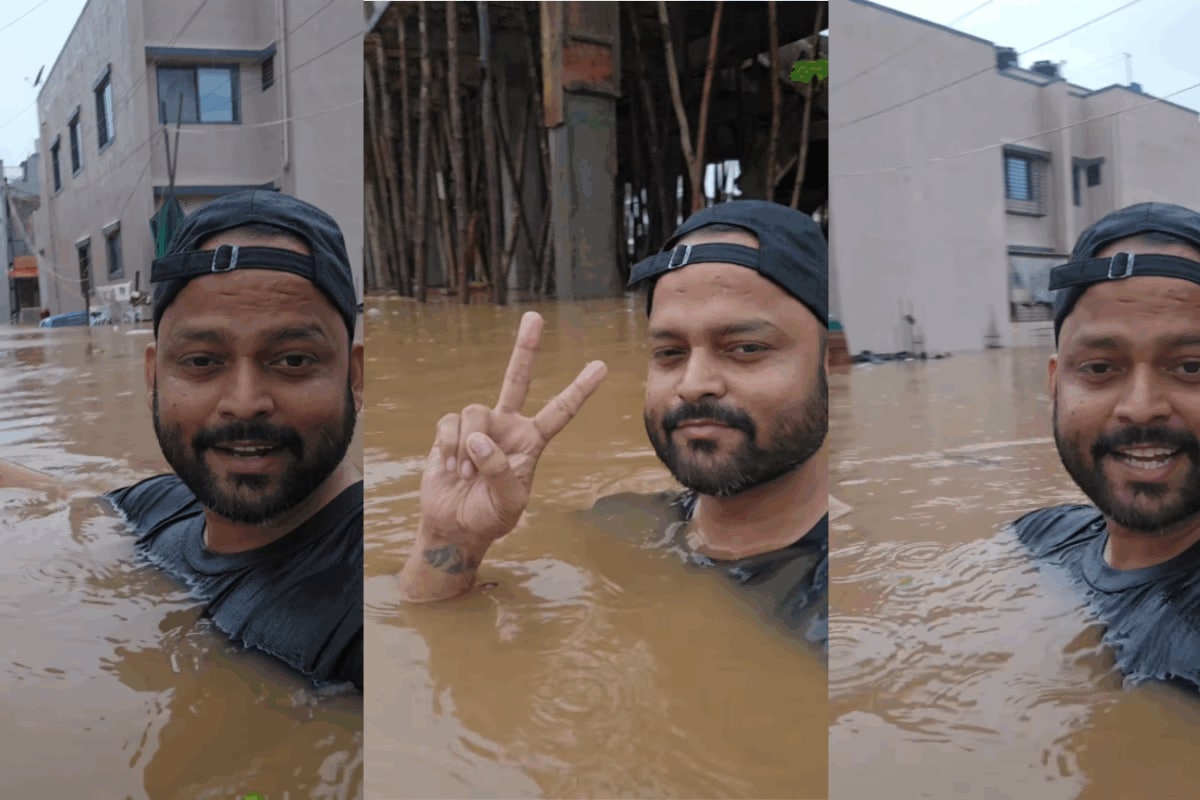
Recent torrential rainfall across the Gujarat region has pushed local drainage systems and urban infrastructure to their absolute limits, culminating in dramatic scenes of inundation within residential sectors. In the Valsad district, the Akshardham Residency has become a focal point for the conversation surrounding urban planning and flood management. As floodwaters breached residential perimeters, rising to dangerous levels—reaching neck-height in some areas—one resident captured the gravity of the situation with a cynical, viral humor that has since highlighted the broader frustrations of homeowners facing recurring climate-related disasters.
The imagery circulating online depicts the stark reality of modern housing developments situated in low-lying floodplains. While the resident’s lighthearted jest about "inaugurating a new river" and the ironic social media commentary regarding "sea view villas" provided a momentary distraction, the underlying reality is one of significant economic loss, public health risks, and questions regarding the long-term viability of current land-use policies in flood-prone districts.
The Intersection of Rapid Urbanization and Hydrological Risks
The flooding in Valsad is not an isolated event but rather a symptom of a larger, systemic challenge facing India’s rapidly expanding suburban landscapes. As agricultural land is converted into residential colonies, the natural topography—which once allowed for the gradual absorption and drainage of monsoon runoff—is frequently paved over with impermeable surfaces. Without adequate stormwater management systems, these developments act as basins, trapping water and causing rapid accumulation during high-intensity rain events.
Agricultural experts and urban planners note that the conversion of fertile, absorbent topsoil into concrete residential tracts significantly alters local hydrology. When drainage networks are either undersized or clogged by silt and debris, the inevitable result is the localized flooding seen in the Akshardham Residency. The situation is further exacerbated by the increasing frequency of extreme weather events, where record-breaking rainfall occurs in compressed timeframes, overwhelming infrastructure that was designed for historical, less volatile climate patterns.
Economic and Agronomic Ripples of Urban Flooding
The impact of this flooding extends far beyond the immediate damage to household goods and property values. In regions like Valsad, which maintain a delicate balance between industrial growth and agricultural productivity, the displacement of water often affects the surrounding rural hinterlands. When urban drainage systems fail, the overflow often settles on surrounding agricultural fields, causing crop damage, soil erosion, and the contamination of irrigation channels with urban waste and pollutants.
Farmers in the vicinity of these developing urban hubs are increasingly finding themselves at the mercy of poor infrastructure planning. The runoff from these concrete jungles carries heavy sediment loads and contaminants that can degrade soil health, potentially impacting the yield of future harvests. Furthermore, the disruption of transportation networks—caused by flooded arterial roads—impedes the timely movement of perishables to market, resulting in significant post-harvest losses for local producers.
What This Means for Farmers
For those involved in the agricultural sector, the events in Valsad serve as a critical reminder of the importance of integrated landscape management. Farmers and landholders should consider the following actionable insights:
- Advocate for Integrated Drainage: Farmers must engage with local municipal and district authorities to ensure that urban infrastructure projects include robust, high-capacity drainage systems that do not discharge uncontrolled runoff onto agricultural land.
- Soil and Water Conservation: Implementing on-farm water harvesting structures, such as contour bunding or farm ponds, can help manage excess water and mitigate the impact of sudden, high-volume runoff from neighboring urban areas.
- Risk Assessment for Property: As urban sprawl continues, landowners should reassess their property’s vulnerability to shifting water tables and drainage patterns. Working with local agricultural extensions to map flood-prone areas is essential for long-term farm safety.
- Economic Diversification: Given the increasing volatility of weather patterns, farmers should prioritize crop insurance and explore diversified income streams that are less susceptible to the immediate, localized destruction caused by sudden flooding events.
Ultimately, the "sea view villa" phenomenon in urban Gujarat is a stark reminder that infrastructure must evolve alongside the climate. Without a concerted effort to enforce stricter building codes and invest in resilient water management, the cost of these "inaugurations" will continue to be paid by residents and farmers alike.