Strategic Expansion of Dahegam APMC: Bolstering Infrastructure for Gujarat’s Horticultural Sector
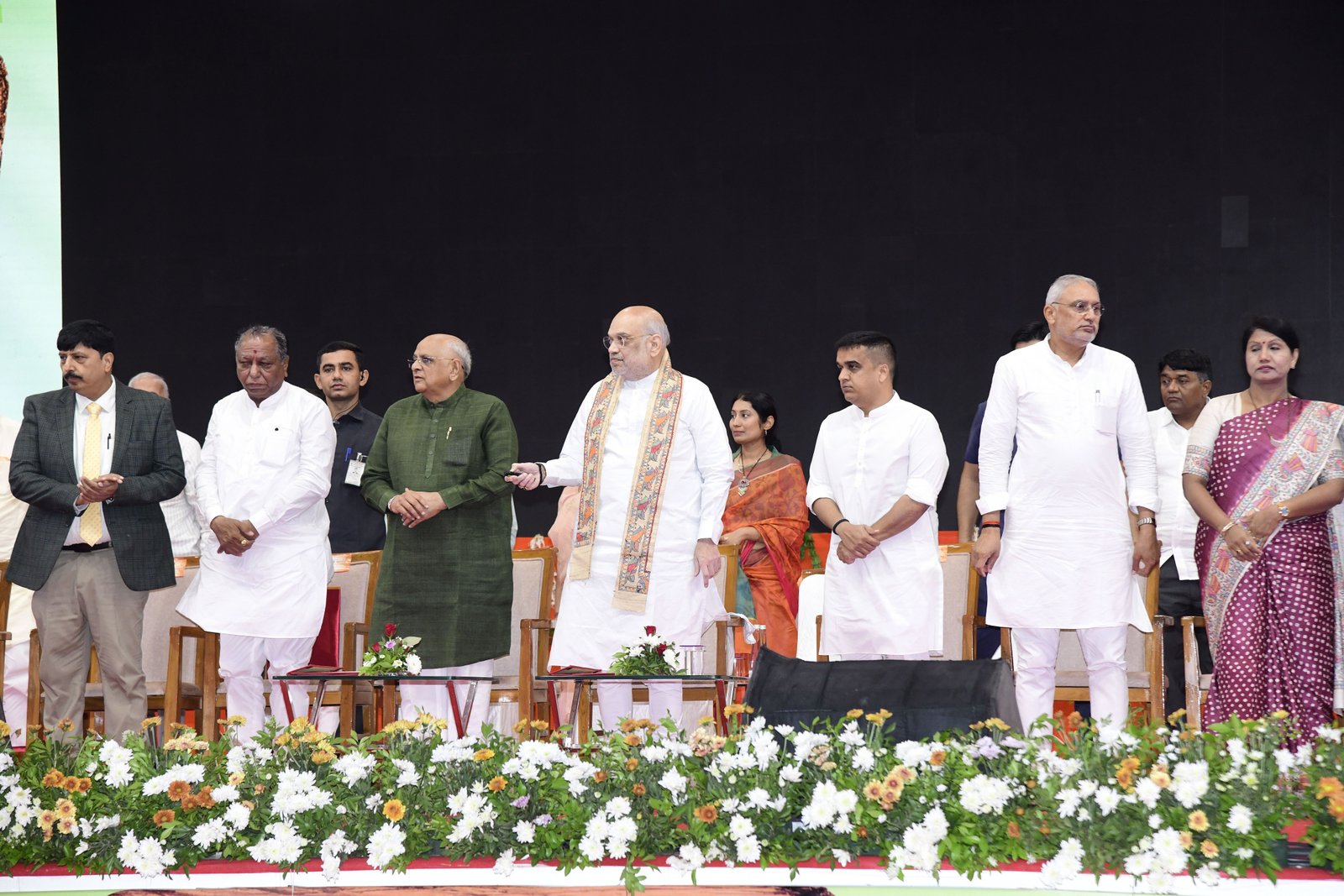
In a significant development for the agricultural infrastructure of Gujarat, Union Home and Cooperation Minister Amit Shah is scheduled to inaugurate a new vegetable sub-yard at the Agricultural Produce Market Committee (APMC) in Dahegam, Gandhinagar district. This expansion marks a pivotal moment for local trade, aimed at modernizing the supply chain and providing a more efficient marketplace for farmers within the region. The inauguration ceremony, set for Monday, underscores the central government’s ongoing commitment to strengthening cooperative institutions and streamlining the movement of perishable commodities from farm to fork.
Enhancing Market Efficiency and Reducing Post-Harvest Losses
The establishment of a dedicated vegetable sub-yard at the Dahegam APMC is designed to address several systemic challenges inherent in the current horticultural trade landscape. Traditionally, vegetable farmers have faced hurdles related to insufficient space, inadequate storage, and lack of organized bidding processes, which often lead to price volatility and increased post-harvest losses. By creating a specialized zone for vegetable trading, the APMC aims to centralize transactions, allowing for better price discovery and a more transparent auctioning process.
Modern sub-yards act as vital nodes in the agricultural value chain. By concentrating the flow of produce into a regulated environment, the facility will likely improve the speed of transactions, ensuring that perishable vegetables reach retail markets or processing units with minimal delay. This reduction in handling time is critical for maintaining product quality, which directly influences the price farmers can command for their produce. Furthermore, the infrastructure is expected to facilitate better logistical coordination, enabling transporters and traders to operate with greater predictability.
Strengthening the Cooperative Framework
The Ministry of Cooperation has been actively promoting the revitalization of APMCs as part of a broader strategy to empower rural economies. The Dahegam project aligns with national efforts to integrate small and marginal farmers into a more robust market ecosystem. By upgrading the physical infrastructure of the APMC, the government is not merely providing a trading floor; it is fostering a cooperative environment where stakeholders—including farmers, commission agents, and wholesale buyers—can interact under a formalized regulatory framework.
Beyond the immediate physical improvements, the integration of such facilities often serves as a precursor to digital modernization. As these sub-yards become operational, they provide the necessary physical foundation for the future adoption of electronic trading platforms, such as the National Agriculture Market (eNAM). By centralizing data on arrivals and price trends, the Dahegam APMC will be better positioned to participate in regional and national market integration, ultimately providing farmers with access to a broader geographic buyer base.
What This Means for Farmers
For the farming community in and around Gandhinagar, the opening of this sub-yard presents several tangible benefits and strategic considerations:
- Improved Price Discovery: A dedicated vegetable yard creates a more competitive bidding environment. With increased buyer participation and transparent auctioning, farmers are less susceptible to the predatory pricing practices that can occur in informal, unorganized trading channels.
- Reduced Logistical Bottlenecks: Dedicated infrastructure means faster unloading and processing. Farmers will spend less time waiting in queues, allowing them to return to their fields more quickly and ensuring that their produce remains fresh for longer, which is essential for maximizing market value.
- Greater Market Access: The presence of an organized, modern facility attracts a wider array of institutional buyers and large-scale retailers. This diversification of the buyer base reduces dependency on a limited number of local intermediaries and provides farmers with more consistent demand throughout the harvest season.
- Economic Resilience: By reducing post-harvest waste through better handling and storage, farmers can improve their net profitability. Efficiency at the APMC level directly translates to higher margins, even if market prices remain stable.
As the sector evolves, farmers are encouraged to engage with the APMC management to understand the new operational protocols and utilize the facility’s resources to their full potential. The success of this sub-yard will depend not only on the physical infrastructure but also on the active participation of the farming community in utilizing these new channels for their daily trade operations.