
The Gujarat government has officially declared four districts—Kutch, Jamnagar, Porbandar, and Devbhumi Dwarka—as drought-affected following a season of deficient rainfall. Chief Minister Bhupendra Patel announced the decision on Monday, noting that the state received 89 percent of its average annual rainfall, but these specific regions experienced significant deficits.
This declaration follows the Government of India's 2016 Drought Management Guidelines. The state government conducted a comprehensive survey to assess agricultural conditions, groundwater levels, and the current availability of fodder and drinking water before finalizing the decision. While the state's total water storage in dams remains at 78.86 percent of capacity, bolstered largely by the near-full Sardar Sarovar Dam, the situation in these four districts is critical.
Gujarat drought-affected districts: What This Means for Farmers
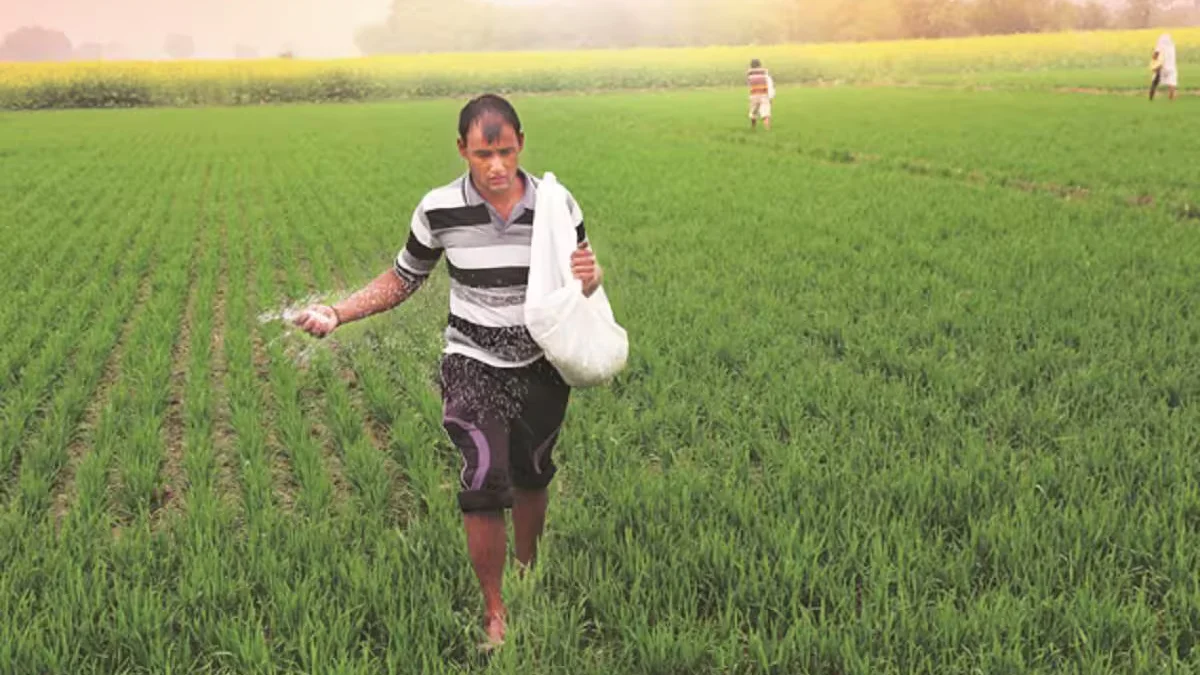
The drought declaration is designed to provide immediate support to the agricultural community and livestock owners in the affected districts. The state government has outlined several key relief measures that will be implemented following the issuance of an official notification:
- Compensation and Assistance: Farmers will receive compensation for crop losses and access to designated assistance packages.
- Water and Fodder: Special arrangements are being made to establish fodder depots and ensure the supply of drinking water for both humans and livestock.
- Employment Support: Employment opportunities for rural workers will be expanded under the MGNREGA scheme to provide income stability.
- Financial Relief: The government will provide relief on electricity bills and land revenue payments for affected farmers.
Experts suggest that farmers in water-stressed regions should focus on agricultural micro-planning and consider shifting toward less water-intensive crops, such as cumin, psyllium, maize, or sorghum, to manage the ongoing water scarcity. Cooperation between agricultural universities and local irrigation committees is being encouraged to optimize water distribution. The administration is also working to transport water from Narmada and other sources to areas facing the most severe shortages.
While this announcement brings relief to thousands of farmers in the Saurashtra and Kutch regions, farmer organizations have also requested that the government consider including other talukas that recorded low rainfall in this relief list. The state remains committed to monitoring the situation closely as it continues to manage the uneven distribution of water resources across the state.
Source: Etv Bharat