Statewide Emergency Protocols Activated Following IMD Red Alert for Gujarat
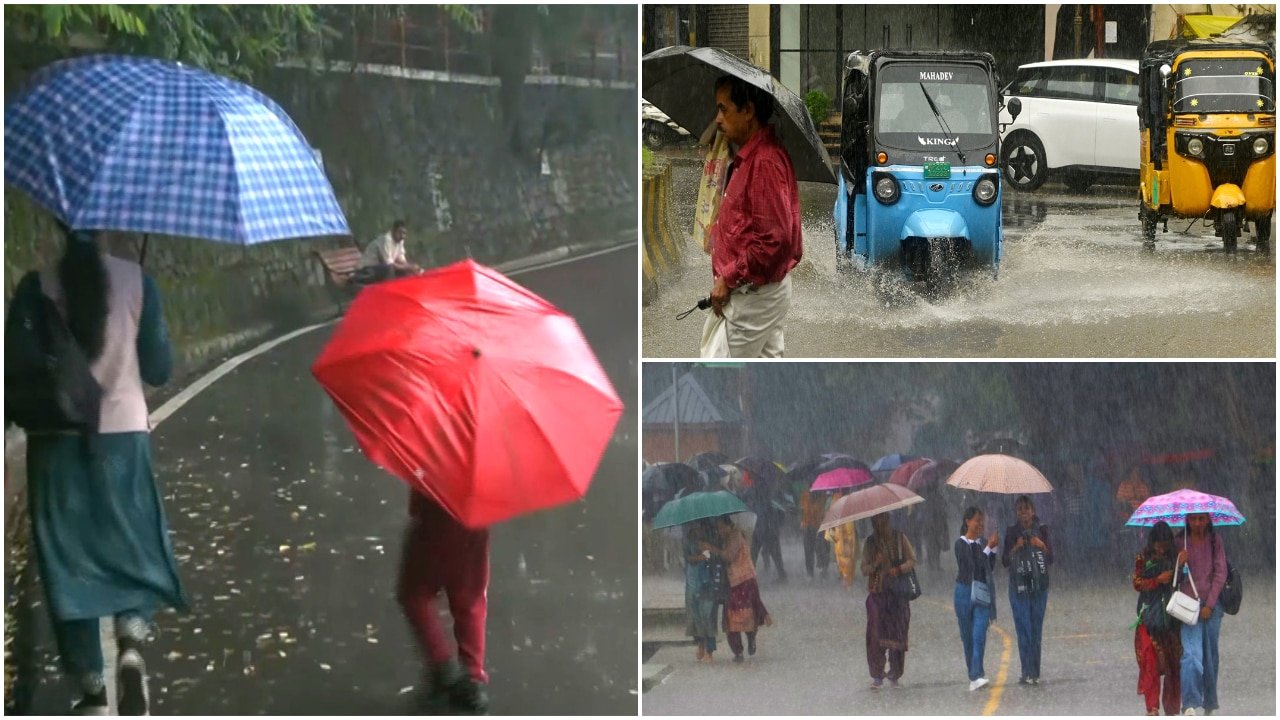
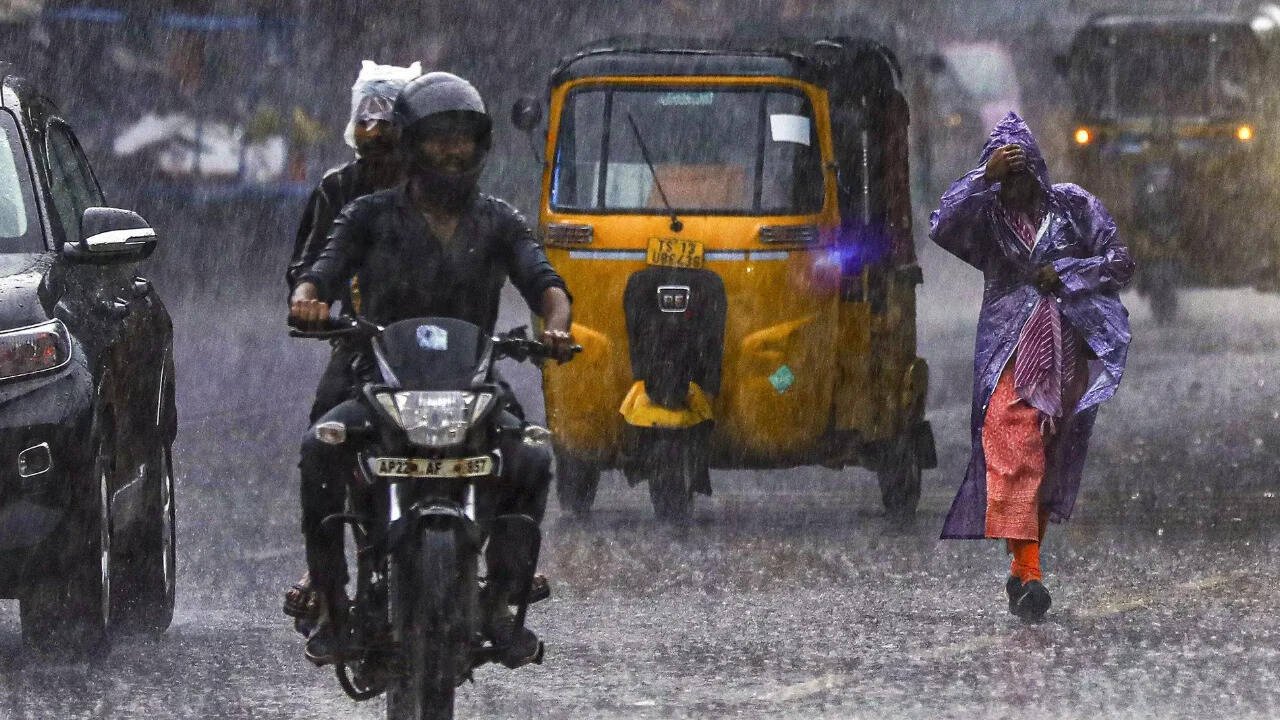
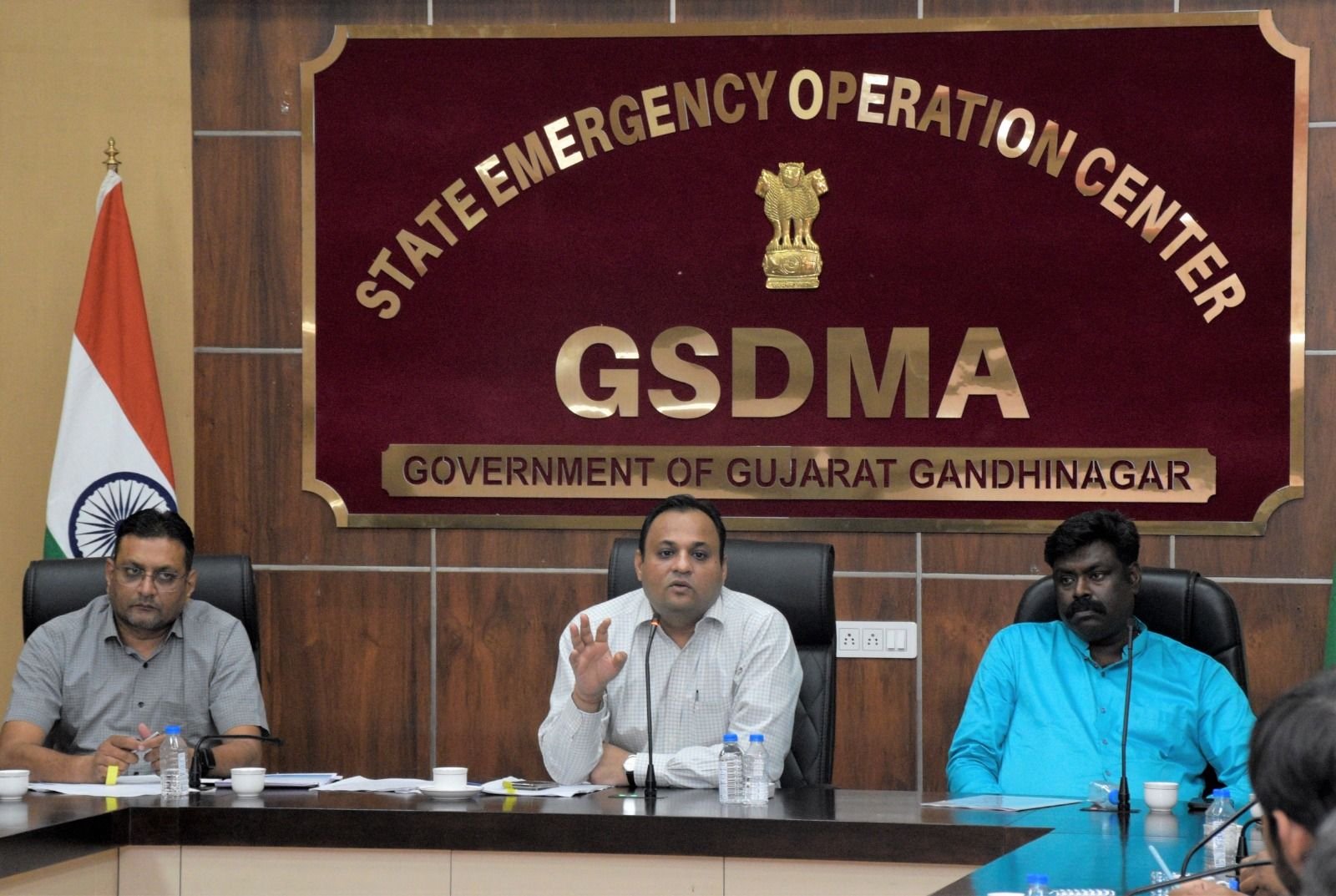
The government of Gujarat has officially placed its disaster management machinery on high alert following a severe weather warning issued by the India Meteorological Department (IMD). The agency has projected extremely heavy rainfall across multiple districts, prompting authorities to shift from routine monitoring to an active emergency response posture. As the monsoon cycle intensifies, the state administration has directed all district collectors and relevant departments to ensure zero-casualty preparedness, particularly in low-lying and flood-prone regions.
The red alert, which signifies the highest level of weather warning, indicates the potential for heavy to extremely heavy precipitation, often exceeding 200 millimeters within a 24-hour period. Meteorological experts note that such intense rainfall events can lead to sudden waterlogging, flash floods, and severe disruption to regional infrastructure. In response, the state has mobilized disaster response forces to maintain a state of readiness for immediate deployment should the situation necessitate search-and-rescue operations.
Infrastructure and Public Safety Measures in Focus
The primary focus of the government’s directive is the protection of life and critical infrastructure. Local administrations have been instructed to identify and clear potential bottlenecks in drainage systems, ensure the stability of river embankments, and secure power grids against surges. With the ground already saturated from previous spells of rain, the risk of landslides in hilly regions and structural instability in rural settlements has increased significantly.
Public safety protocols have been disseminated to municipal corporations and district panchayats, emphasizing the need for proactive evacuation of residents living in vulnerable housing. Furthermore, the state has coordinated with the National Disaster Response Force (NDRF) to position specialized units in high-risk zones. These teams are equipped with flood-rescue gear, communications hardware, and medical supplies to provide rapid assistance. The government has also advised the public to avoid unnecessary travel, refrain from crossing submerged causeways, and keep emergency contact numbers readily accessible.
Agricultural Vulnerability and Soil Management
Beyond the immediate human and infrastructural risks, the agricultural sector faces significant challenges under these extreme weather conditions. The current monsoon trajectory threatens standing crops in regions already experiencing high humidity and water retention. Excessive moisture often leads to root rot, fungal infections, and the leaching of essential soil nutrients, which can severely impact yield quality and volume. Furthermore, high-velocity winds accompanying heavy rainfall may cause lodging in taller crop varieties, leading to physical damage that is often irreversible.
Agricultural extension officers are currently working to communicate with farmers, advising them on how to mitigate losses. Ensuring that fields have adequate drainage channels to prevent water stagnation is a primary recommendation. Farmers are also being cautioned against the application of fertilizers or pesticides during periods of heavy rain, as the runoff could render these inputs ineffective and contribute to environmental contamination in local water bodies.
What This Means for Farmers
For the farming community, the red alert is a signal to prioritize the protection of stored harvests and livestock over current field operations. Practical actions include:
- Livestock Safety: Ensure that cattle and small ruminants are moved to elevated, dry, and structurally sound shelters. Stockpiling adequate dry fodder and clean water is essential, as transit routes may become impassable.
- Input Protection: Secure stocks of seeds, fertilizers, and equipment in elevated, waterproof storage facilities to prevent damage from water seepage.
- Field Drainage: If the intensity of the rain allows, farmers should create small exit channels to facilitate the drainage of excess water from fields. Preventing prolonged waterlogging is critical for the survival of sensitive crops.
- Crop Monitoring: Post-event, farmers should conduct thorough inspections for signs of disease or pest outbreaks, which often proliferate in the humid, warm conditions following heavy rainfall.
- Market Preparedness: Expect potential disruptions to supply chains and local transport. Farmers should monitor local advisories regarding market access and avoid attempting to transport perishable goods during peak weather activity.
The state government maintains that while the situation is serious, the emphasis remains on preparedness and rapid response. Farmers are encouraged to stay tuned to local radio broadcasts and government mobile alerts for real-time updates on weather trajectories and relief efforts.