Gujarat Government Appeals for Central Aid Following Severe Monsoon Deluge
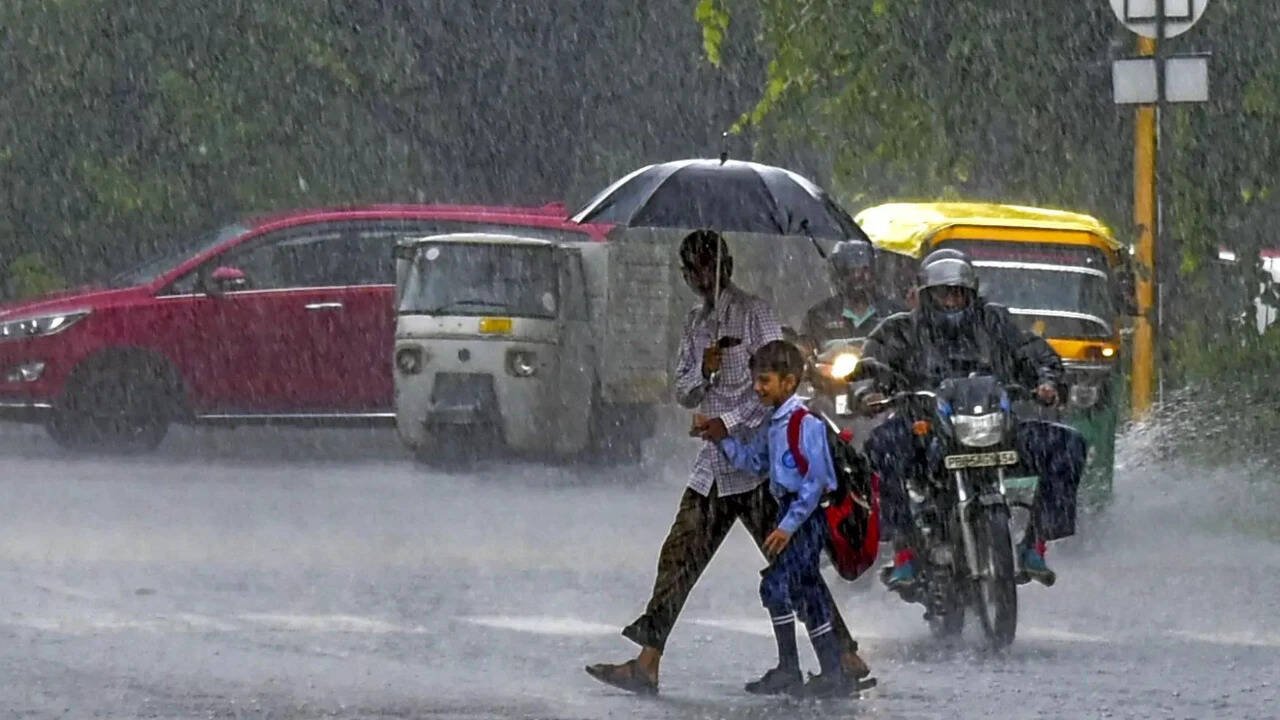
The state of Gujarat is currently navigating a critical phase of its monsoon season as relentless, heavy rainfall continues to lash several districts, causing widespread disruption to infrastructure, agricultural activities, and local communities. In response to the intensifying crisis, Gujarat Chief Minister Bhupendra Patel has formally requested urgent support from the Union government. The appeal comes as state authorities work to scale up relief and rescue operations, particularly in the southern regions of the state, which have borne the brunt of the extreme weather event.
The request for federal assistance highlights the strain placed on state-level resources as continuous precipitation leads to waterlogging, flash flooding, and the potential for long-term damage to critical regional infrastructure. By engaging with the Union Home Ministry, the state government aims to expedite the deployment of additional disaster management personnel and secure the necessary logistics to ensure the safety of citizens and the protection of rural livelihoods.
Assessing the Impact on Infrastructure and Rural Resilience
The southern districts of Gujarat, known for their fertile land and significant contribution to the state’s agricultural output, have experienced the most significant challenges during this period of intense rainfall. Persistent heavy downpours have saturated soil profiles, leading to increased runoff and the swelling of local river systems. This hydrological pressure has necessitated the evacuation of vulnerable populations in low-lying areas and the mobilization of emergency response teams to prevent loss of life.
Beyond the immediate human impact, the heavy rainfall poses complex engineering challenges for rural connectivity. Road networks, essential for the transport of agricultural inputs and the delivery of harvested produce to markets, are currently threatened by washouts and debris accumulation. Furthermore, the saturation of the landscape increases the risk of soil erosion and the potential for crop damage, particularly in fields where drainage systems have been overwhelmed by the sheer volume of water. State agencies are currently engaged in real-time monitoring of water levels in dams and reservoirs to manage outflow effectively, aiming to balance flood mitigation with the necessity of water conservation for the post-monsoon period.
Challenges to Agricultural Productivity
While the monsoon is vital for Gujarat’s agrarian economy, the current intensity of the rainfall presents a significant hurdle for farmers. Crops that are in the early stages of development are particularly susceptible to waterlogging, which can lead to root rot, nutrient leaching, and stunted growth. The inability of machinery to access fields due to saturated, muddy conditions further complicates routine crop management practices, such as localized fertilization or pest control.
Agronomists are observing that the current weather pattern may necessitate a shift in management strategies once the skies clear. The primary concern is the potential for increased fungal pressure and the need to restore soil aeration. Farmers are encouraged to monitor their fields closely for signs of water stress and to ensure that drainage channels are kept clear to allow for the rapid removal of standing water once the weather stabilizes.
What This Means for Farmers
For the farming community, the current situation underscores the importance of proactive disaster preparedness and responsive field management. The following considerations are paramount as the state navigates this period of extreme weather:
- Prioritize Field Drainage: Where possible, farmers should ensure that peripheral drainage channels are unobstructed to facilitate the quick runoff of excess water, which is critical for preventing root damage in water-sensitive crops.
- Monitor for Disease Outbreaks: High humidity and waterlogged conditions are ideal environments for fungal pathogens. Growers should remain vigilant for early symptoms of blight or rot and be prepared to consult with local agricultural extension officers regarding appropriate, timely intervention.
- Infrastructure Maintenance: The current rainfall serves as a reminder of the vulnerability of farm-to-market roads. Farmers should anticipate potential logistics delays and adjust their supply chain planning accordingly, ensuring that essential inputs are stored in elevated, dry locations.
- Financial Documentation: In the event of crop loss or damage to farm infrastructure, meticulous record-keeping is essential. Farmers are advised to document any damages through photographs and detailed logs, as this information will be vital for potential government compensation claims or insurance assessments once the immediate crisis subsides.
- Engage with Local Authorities: Staying connected to local administrative updates is crucial. Farmers should follow official advisories regarding water releases from nearby reservoirs and heed all evacuation or safety warnings issued by the state government to protect both their families and their livestock.