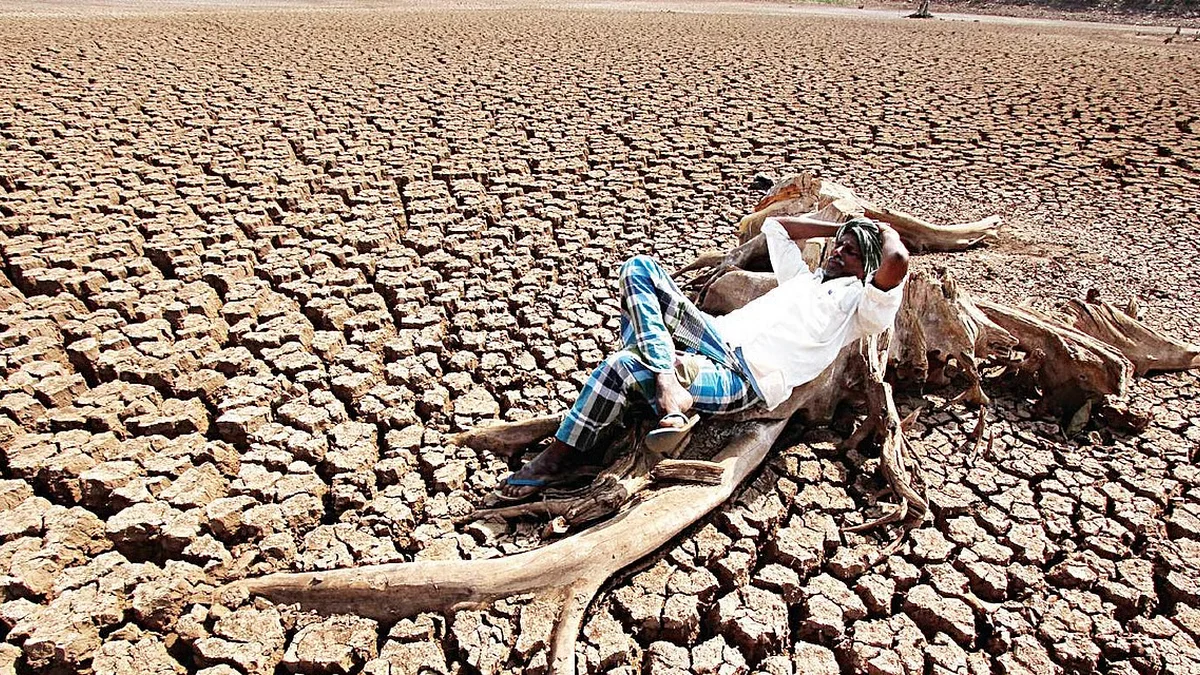

A new study conducted by experts Parameswaran Iyer, Daniel W Smith, and Nitin Bassi suggests that the water governance strategies successfully implemented in Gujarat over the last 25 years could offer a viable roadmap for addressing the severe drought conditions currently impacting Maharashtra. The research highlights the potential for applying these proven institutional and technical frameworks to help manage water scarcity more effectively in other states.
Maharashtra drought: Key Features of the Gujarat Water Governance Model
The study, which was launched at IIM Bangalore, examines the evolution of water management in Gujarat since 2001. A central pillar of this model is the Narmada-based water grid, which has been instrumental in ensuring a more reliable water supply. Additionally, the establishment of dedicated institutions, such as the Water and Sanitation Management Organisation (WASMO), has played a critical role in decentralizing and improving water governance at the grassroots level.
Parameswaran Iyer, a former secretary of the Department of Drinking Water and Sanitation, noted that while not every state has access to a major resource like the Narmada River, the underlying principles of effective resource management and river basin planning remain highly applicable. He emphasized that proactive management, including consistent dialogue between central and state authorities, is vital for addressing drought-related challenges.
Maharashtra’s Current Drought Response
Maharashtra is currently facing a significant water crisis, with more than 265 talukas officially declared drought-affected. In response, the state government has been actively pursuing relief measures to mitigate the impact on the population and the agricultural sector.
Chief Minister Devendra Fadnavis has been in discussions with Union Home Minister Amit Shah to secure necessary assistance under the National Disaster Response Fund (NDRF). These efforts reflect the urgent need for both immediate financial support and long-term infrastructure improvements to stabilize water availability in the region.
What This Means for Farmers
The implications of this water governance analysis for the farming community are significant, particularly given the reliance of agriculture on consistent water availability. Key takeaways include:
- Focus on Long-Term Security: The study highlights that approximately 85 to 90 per cent of water is consumed by the agricultural sector, making sustainable water management essential for long-term farming security.
- Need for Integrated Planning: Farmers in drought-prone areas may benefit from broader efforts to implement integrated river basin management and improved water conservation techniques, which aim to reduce the vulnerability of crops to rainfall variability.
- Infrastructure Development: As urban and rural needs grow, the emphasis on treating and reusing wastewater, as discussed by experts like Nitin Bassi, could eventually play a role in augmenting the total water supply available for irrigation.
By moving toward a more structured approach to water governance, there is potential to create more resilient conditions for agricultural production, even in states historically prone to severe moisture stress.
Source: The Csr Journal